
 Ethan Cole

Timepieces designed for the wrist emerged in the late 16th century, initially as ornate jewelry for women. These miniature clock devices, often adorned with gemstones, marked the beginning of a new era in timekeeping.
In the 19th century, craftsmen in Switzerland advanced the design and functionality, creating more practical models. By the early 20th century, these accessories had gained popularity among men, particularly during World War I, when soldiers required efficient ways to track time in combat.
Fast forward to the mid-20th century, innovations in manufacturing led to mass production, making these accessories accessible to a broader audience. The introduction of quartz technology in the 1970s revolutionized accuracy and affordability, solidifying the role of these timepieces in everyday life.
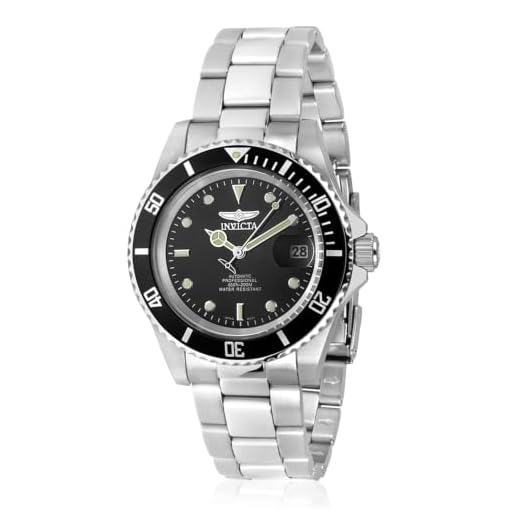

Understanding the evolution of these instruments offers insight into their cultural significance and impact on fashion and utility throughout history.
The origins of wristwatch design
The concept of wearing timepieces on the wrist can be traced back to the late 19th century, with contributions from various European artisans. Initially crafted for practicality, these accessories evolved from pocket models, allowing for greater accessibility and convenience.
Early adaptations
Female wearers primarily popularized the first adaptations, often adorned with precious metals and jewels. Swiss watchmakers began designing small movements to fit within elegantly crafted bracelets. This fusion of functionality and aesthetics laid the groundwork for future designs, marking a shift in how society viewed these timekeeping devices.
Military influence
The significant role of military applications cannot be understated. During conflicts in the early 20th century, soldiers required hands-free methods of tracking time. As a result, rugged, durable designs emerged, tailored to withstand harsh conditions while preserving accurate timekeeping. This practicality resonated with consumers post-war, driving widespread acceptance of these functional accessories.
As technology advanced, materials and styles diversified, solidifying wrist-worn timepieces as essentials in daily life and fashion statements. The ongoing fusion of craftsmanship and innovation continues to shape contemporary designs, reflecting personal identity and style.
Key Developments in Watch Technology
Innovations in this field were marked by several pivotal advancements, transforming how timepieces function and their overall design.
Mechanical Advancements
The introduction of the tourbillon in the late 18th century significantly improved precision. This mechanism compensates for gravitational bias, enhancing timekeeping accuracy.
In the 20th century, the development of automatic movements streamlined the need for manual winding, using kinetic energy generated by the wearer’s motion.
Quartz Revolution
The 1970s saw the rise of quartz technology, replacing traditional mechanical systems with battery-powered movements. This shift drastically increased accuracy and affordability. The introduction of the first digital watch in 1972 further pushed boundaries, appealing to a tech-savvy audience.
| Year | Development |
|---|---|
| 1770 | Introduction of the tourbillon mechanism |
| 1920s | Emergence of automatic movements |
| 1970 | Launch of quartz technology |
| 1972 | First digital timepiece released |
This evolution of timekeeping devices continues to influence modern designs, integrating cutting-edge technology with classic aesthetics.
Notable Early Timepieces
Key models from the early 19th and 20th centuries significantly influenced the development of portable timekeeping devices. Highlighting a few examples:
Cartier’s Santos
Introduced in 1911, this design is often credited as one of the first true timepieces specifically created for wrist use. Designed for aviator Alberto Santos-Dumont, it features a square face and exposed screws, merging functionality with elegance.
Rolex Oyster
Launched in 1926, the Oyster stands out for its pioneering water-resistant case. Its robust construction and innovative technology set new standards in durability and practicality for everyday wear. The combination of luxury and performance played a crucial role in establishing Rolex as a premier brand.
These examples exemplify how design and technology evolved, paving the way for the modern iterations of personal timekeeping devices cherished today.
The Impact of World War I on Wristwatch Popularity
Military conflicts sparked a surge in the acceptance of portable timepieces. Trench warfare created a necessity for soldiers to keep track of time easily, leading to the increased use of these timekeeping devices by military personnel. Officers found them particularly beneficial for coordinating attacks and managing schedules amidst chaotic environments.
Transition to Mainstream Fashion
Post-conflict, returning soldiers brought back their fondness for these accessories, introducing them to civilian life. This transition significantly shifted consumer perceptions, favoring practicality combined with style. Manufacturers recognized the market potential and began to produce models appealing to the broader public, blending functionality with elegance.
Technological Advancements
War also accelerated innovations. Improvements in functionality and robustness became paramount. Production techniques evolved, allowing for more durable and precise items. The introduction of automatic movements further captivated enthusiasts, cementing the role of these timepieces in everyday life.
By the 1920s, the surge in popularity was unmistakable. Availability expanded dramatically, positioning these timekeepers as a staple in fashion and functionality. Such developments laid the groundwork for the widespread adoption that continues to this day.
Wristwatch Evolution in the 20th Century
The 20th century marked a transformative era for timepieces worn on the wrist, characterized by innovation and mass production that reshaped consumer habits and preferences.
Technological Advances
- Quartz movement emerged in the 1960s, offering unmatched accuracy compared to mechanical variants.
- In 1970, Seiko introduced the first commercially successful quartz chronograph, leading to widespread adoption.
- Digital displays, gaining traction in the 1970s, provided new functionality, including alarm and stopwatch features.
Unique Designs and Styles
- The introduction of water resistant models in the 1920s allowed for versatility in different environments.
- Designs diversified in the 1970s with the rise of sports and luxury brands, blending functionality and aesthetic appeal.
- Iconic pieces like the Rolex Submariner and Omega Speedmaster became symbols of achievement and exploration.
In response to cultural shifts, brands began collaborating with fashion designers and celebrities, enhancing market visibility and desirability. By the late century, collectors increasingly sought vintage models, recognizing craftsmanship and historical significance.
The transition from analog to digital formats signified a paradigm shift, reflecting consumers’ changing lifestyles as convenience became paramount. This continued emphasis on utility propelled the market into the new millennium, laying the groundwork for smart technology integration.
Modern innovations in wristwatch manufacturing
Explore advanced techniques like 3D printing, enabling intricate designs and customizations that were previously unattainable through traditional methods. Manufacturers utilize this technology to produce complex components swiftly while maintaining high precision.
Integration of smart technology into analog timepieces represents a significant shift, allowing connectivity with smartphones for features like fitness tracking and notifications. Hybrid models combine mechanical artistry with digital functionality, catering to a diverse audience.
Utilizing sustainable materials, such as recycled metals and biodegradable plastics, is a growing trend. This approach not only reduces environmental impact but also appeals to eco-conscious consumers seeking responsible luxury items.
Enhanced materials for durability showcase innovations in scratch-resistant sapphire crystal and lightweight titanium, ensuring longevity and practicality without sacrificing style. These advanced substances resist wear while allowing for more dynamic designs.
New methods in quartz movement development yield greater accuracy and energy efficiency. Solar-powered systems are gaining traction, harnessing light sources for a continuous power supply, minimizing the need for battery replacements.
The use of computer-aided design (CAD) software streamlines the creation process, allowing designers to visualize intricate details and mechanics, thus speeding up the prototyping phase. This leads to rapid iteration and refining of concepts before production.
Finally, blockchain technology offers innovative solutions for authenticity and traceability, preventing counterfeiting and enhancing customer confidence. Tracking each piece from production to sale ensures transparency and promotes brand integrity.



