
 Ethan Cole

The late 19th century marked a significant shift in how people kept track of time, paving the way for the rise of portable timepieces. The introduction of quartz technology in the 1970s further transformed the landscape, making accurate timekeeping accessible and affordable.
Military usage during World War I played a pivotal role in the embrace of these instruments, as soldiers found them more practical than traditional pocket clocks. This practicality extended into civilian life, where the convenience of having time readily available on the wrist became increasingly desirable.
Post-war trends saw these accessories evolve into symbols of fashion and status, with luxury brands capitalizing on their newfound popularity. By the mid-20th century, innovations in design and craftsmanship solidified their place as indispensable items in wardrobes around the globe.
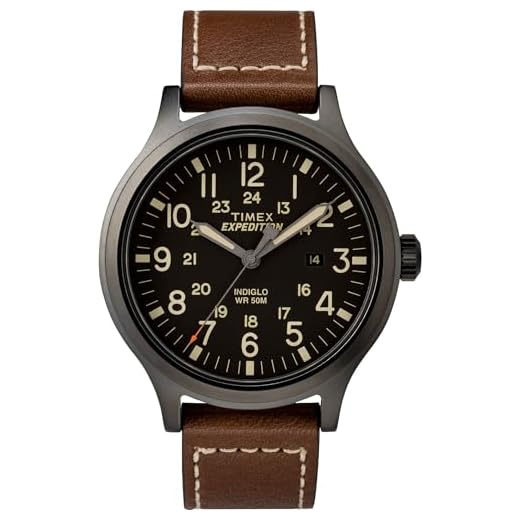

Timeline of Wrist Timepieces’ Rise
Significant surge in the adoption of arm-mounted timekeeping devices occurred during the late 19th century. Initially designed for women, these devices transitioned into a staple for men largely due to military influence in World War I. Soldiers favored the practicality of having their timepieces on their wrists, allowing for quick glancing without fumbling in pockets.
Influential Events and Innovations
The first major commercial acceptance took place in the 1920s and 1930s, as fashion houses began creating stylish models suitable for formal and daily wear. The introduction of water-resistant options in the mid-20th century marked another turning point, further broadening market appeal. By the 1970s, the quartz movement provided enhanced accuracy and affordability, solidifying wrist timepieces as a common accessory for all demographics.
Cultural Significance
Pop culture also played a substantial role. Iconic figures, such as actors and musicians, frequently showcased these accessories, turning them into symbols of status and style. By the turn of the 21st century, developments in technology and design established a diverse selection, catering to varying tastes and needs, making them indispensable in modern society.
The Influence of World War I on Watch Adoption
The onset of World War I significantly accelerated the shift from pocket timepieces to arm-mounted timekeepers. Military officials quickly recognized the advantages of wearing timepieces on the wrist, facilitating coordination during combat. This practical adjustment led to higher demand for these devices among soldiers.
Manufacturers responded by producing models designed for rugged use, equipped with durable materials and functional designs. The incorporation of features such as luminous dials enabled soldiers to read the time in low visibility conditions, further increasing their utility.
Post-war, returning servicemen brought back the habit of wearing timepieces on their wrists, influencing civilian fashion trends. Soldiers’ experiences prompted widespread acceptance and integration of wrist-mounted time devices into everyday life.
The 1920s and 1930s saw the emergence of stylish variants aimed at the consumer market, solidifying wrist timepieces as essential accessories. The war effectively transitioned public perception, turning a practical necessity into a fashionable staple.
Cultural Shifts in Gender Perception and Their Impact on Timepiece Usage
Significant changes in societal views on gender roles have directly influenced the adoption and design of personal timekeepers. As the lines between traditional male and female activities blurred, there arose an increasing acceptance of various styles and functionalities for all genders. For instance, a gradual shift towards gender-neutral and unisex models emerged, allowing individuals to select accessories based on personal preference rather than societal expectations.
| Decade | Cultural Shift | Impact on Timepiece Adoption |
|---|---|---|
| 1920s | Women gaining the right to vote | Increase in feminine designs, targeted marketing to women |
| 1960s | Women’s liberation movement | Rise of unisex styles; diverse functions became popular among all genders |
| 1980s | Fashion-forward culture | Popularity of luxury brands with bold designs, appealing to both sexes |
| 2000s | Rise of individualism | Customizable options; emphasis on personal expression over gender |
The reaction to gender fluidity created a demand for innovative timepieces that service diverse tastes and preferences. Designers began incorporating elements that reflect individuality, leading to distinct collections that transcend traditional gender boundaries. This adaptability has resulted in brands expanding their selections to accommodate various identities, reflecting a broader societal acceptance.
The evolution of timepieces symbolizes an important cultural commentary on shifting gender norms. Present attitudes emphasize practicality and personal style, prioritizing function over conventional gender designations. As societal acceptance of differing identities continues to grow, the focus on diverse, inclusive designs becomes increasingly paramount for manufacturers in the industry.
The Role of Fashion Trends in the Mainstream Acceptance of Timepieces
Fashion currents significantly influenced the integration of timekeeping devices into daily attire. The rise of minimalist aesthetics in the mid-20th century encouraged brands to produce sleek, understated models that became fashionable staples. Designers incorporated these accessories into runway shows, intertwining them with high fashion, which elevated their standing among consumers.
The popularity of celebrity endorsements and appearances played a pivotal role. Prominent figures showcased their timepieces, often associating them with luxury and sophistication. This strategic placement transformed simple timekeeping devices into symbols of status, prompting mass adoption.
Technological advancements also shaped market offerings, leading to diverse styles that appealed to varying consumer tastes. The integration of innovative materials captivated a younger demographic, aligning functions with current lifestyle trends such as sustainability and smart living.
Seasonal collections and collaborations between fashion designers and manufacturers introduced limited-edition pieces, fueling desire and urgency among potential buyers. Timepieces became not just functional items but must-have accessories that completed an outfit.
Industry events and exhibitions showcased the exquisite craftsmanship behind these accessories, highlighting artistry and enhancing their perceived value. The combination of craftsmanship, style, and cultural relevance solidified the place of these devices in mainstream fashion, ensuring their continued appeal across generations.
Technological Advancements That Enhanced Timepiece Appeal
Quartz technology significantly transformed timepieces in the 1970s, offering unparalleled accuracy and convenience compared to traditional mechanical models. This innovation led to mass production and accessibility, appealing to a broader audience.
The introduction of automatic movement mechanisms brought a blend of craftsmanship and functionality, attracting enthusiasts who appreciate both the artistry and the practicality. This approach ensured that timekeepers remained operational without the need for battery replacements.
Water-resistant designs revolutionized outdoor use, appealing to active individuals. Brands focused on creating rugged models suitable for sports and adventures, further increasing popularity across diverse consumer segments.
Smart technology integration has reshaped contemporary preferences, merging functionality with style. Features such as fitness tracking, notifications, and customization options cater to tech-savvy users, bridging the gap between classic design and modern utility.
Materials innovation, including ceramics, titanium, and carbon fiber, introduced lightweight yet durable options. These advancements allow for unique aesthetics, making pieces more attractive to fashion-conscious consumers.
Manufacturers utilize advanced production techniques such as 3D printing, enabling intricate designs that were previously unfeasible. This capability not only enhances variety but also fosters limited edition releases, appealing to collectors and aficionados.
- Quartz technology: Revolutionized accuracy
- Automatic mechanisms: Blend of art and function
- Water resistance: Enhanced outdoor usability
- Smart features: Modern convenience
- Material innovation: Unique aesthetics
- Advanced production: Limitless design possibilities
Iconic Timepiece Models That Defined Eras and Trends
Consider the Rolex Submariner, an emblem of dive watches since its launch in 1953. This model not only set standards for water resistance but also shaped perceptions of luxury and durability among enthusiasts and collectors alike.
Patek Philippe Nautilus
Released in 1976, the Patek Philippe Nautilus introduced the idea of luxury sports timepieces. Its unique design and craftsmanship appealed to a younger demographic, blending elegance with a casual aesthetic, which shifted market trends considerably.
Casio G-Shock
Unveiled in 1983, the Casio G-Shock revolutionized casual wearing with its rugged, shock-resistant features. This model attracted a diverse audience, emphasizing functionality and durability, and popularized the notion of smart casual in the accessory segment.



