
 Ethan Cole

Timekeeping devices strapped to the wrist can be traced back to the late 16th century. This innovation began in Europe, where personal timepieces transitioned from pocket formats to wearable forms. Initially, these compact timekeepers, often referred to as “arm watches,” gained popularity among nobility, allowing for quick access to time without the need to locate a pocket watch.
The 19th century marked a significant shift in the fashion of these accessories, particularly during military conflicts. Soldiers recognized the practicality of having a timepiece readily available, which led to a surge in demand for these portable devices. By the turn of the 20th century, wrist-mounted timepieces had become a common sight, transcending their origins as mere fashionable items and establishing themselves as essential tools for everyday use.
In the modern era, the evolution of wrist-worn time instruments continues, with advancements in technology leading to smart models that offer a blend of tradition and innovation. Today, the market embraces a diverse range of styles and functionalities, catering to various tastes and needs while maintaining the original purpose of convenient timekeeping.
The origins of wrist timepieces in the 16th century
The late 1500s marked a pivotal moment in the history of portable timekeeping devices. Craftsmen began to develop smaller time-telling instruments, which eventually inspired the design of the modern wrist apparatus. Early iterations typically resembled brooches or pendants, appealing primarily to the nobility who sought personal adornment alongside functionality.
Technological Advances and Design
Key innovations in horology during this era included the creation of spring-driven movements. This allowed for greater portability, leading to the transformation of timepieces from bulky items to more handheld designs. By embedding these mechanisms into ornate cases, watchmakers catered to the affluent classes, blending meticulous craftsmanship with artistic flair. Elaborate designs, often embellished with jewels, reflected the owner’s status and wealth.
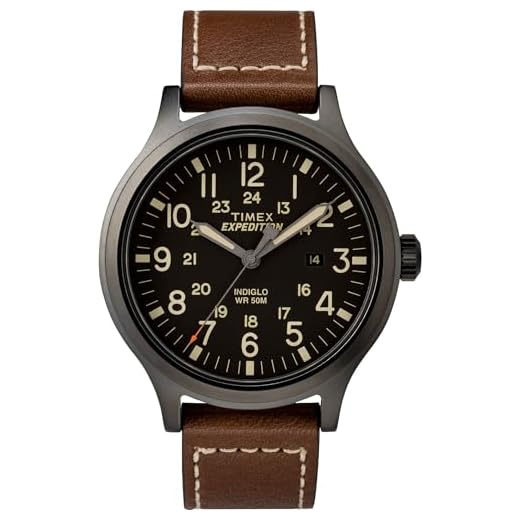

The Shift to Personal Timekeeping
By the 17th century, these compact chronometers transitioned into a more personal form. Influenced by the demand for convenience in time management, individuals began to adopt these charming devices, leading to the gradual acceptance of wearing timepieces on the wrist. This melding of utility and style paved the way for future developments in portable timekeeping.
Evolution from Pocket Timepieces to Arm Timepieces
The transition from pocket timekeepers to arm-mounted devices became prominent in the late 19th and early 20th centuries. This shift was influenced by the need for practicality during the industrial revolution, where hands-free convenience gained significance.
Military Influence
During the early 1900s, military demands played a vital role in accelerating this trend. Soldiers required a means to monitor time without fumbling for their pocket devices. Consequently, wrist-mounted models emerged, primarily used by military personnel for coordinating maneuvers and managing operations.
Fashion and Functionality
As militaries adopted arm pieces, the elite began to take notice. Prominent jewelers started designing elegant versions, merging utility with style. By the 1920s and 1930s, these timepieces became a fashion statement, firmly establishing their place in everyday life. This era saw advancements in technology, such as self-winding mechanisms, further enhancing their appeal. The practicality and elegance combined transformed them into sought-after accessories.
By mid-20th century, arm timepieces solidified their status globally, transitioning from mere functional devices to integral components of personal style. Innovations continued, paving the way for the diverse collection of designs seen today.
Key historical figures who popularized timepieces
Queen Elizabeth I significantly contributed to the rise of these accessories in the late 16th century by adorning herself with various ornate versions, showcasing them as fashionable items among the nobility.
Ferdinand Adolph Lange, a German watchmaker in the 19th century, played a pivotal role in advancing craftsmanship, leading to high-quality designs that captured public imagination and solidified the status of timekeepers as symbols of prestige.
Louis Cartier transformed the perception of these devices in the early 20th century by designing the iconic Cartier Santos for aviator Alberto Santos-Dumont, effectively merging functionality and style, thus appealing to a broader audience.
Wrist timepieces gained tremendous popularity during World War I, thanks to military figures who found them practical for timing maneuvers in the field. Notable personalities such as General John J. Pershing recognized their utility, leading to widespread adoption among soldiers.
Chanel’s influence in the 1980s brought a new era when she introduced the Chanel Première. This fusion of elegance and practicality made these accessories not just personal devices but integral fashion statements.
Industry giants like TAG Heuer and Rolex further established a culture around these accessories through high-profile endorsements, creating a link between sports, luxury, and innovation that attracted more enthusiasts globally.
Collectively, these pivotal figures and milestones illustrate the transformation of time-telling instruments from mere tools to fashionable and prestigious items cherished across social strata. Their efforts resonated through various eras, solidifying a lasting legacy that continues today.
Impact of World War I on wrist watch usage
World War I significantly accelerated the shift from pocket to arm-mounted timepieces. Soldiers in the trenches found traditional pocket devices cumbersome, while their new combat environments necessitated hands-free access to time. This demand led to increased utility and desirability for more practical designs.
Key Changes During the War
- The military began issuing arm-mounted units to troops, promoting efficiency during operations.
- Manufacturers adapted designs to enhance durability, making them suitable for combat conditions.
- Integration of features like luminous dials emerged, improving visibility in low-light scenarios.
Post-War Popularization
After the conflict, returning soldiers brought back the habit of using arm-mounted timepieces. This cultural shift was widespread, as veterans and civilians alike appreciated the practicality and style of these devices. Advertisements began highlighting them as symbols of modernity and sophistication.
- Women’s fashion shifted to include these devices, leading to diverse styles devoted to different occasions.
- Novel innovations like waterproof casings and automatic movements gained traction during the 1920s.
- Brand marketing capitalized on wartime innovations, associating arm-mounted devices with adventure and exploration.
World War I forever altered public perception and acceptance, transforming timekeeping into a fashionable and functional accessory.
Transition from Military to Civilian Fashion in Timepieces
The shift of military timepieces into civilian fashion began following the conclusion of global conflicts. Combatants returning from service sought practicality and style, leading to the adoption of these instruments in everyday life.
Notable Features Adapting to Civilian Needs
Civilian models incorporated features that appealed to everyday users. These included simplifying designs, adding decorative elements, and utilizing materials like stainless steel and leather for enhanced durability and style. Water resistance became a desirable trait, responding to both public demand and outdoor activities.
Marketing Strategies and Cultural Impact
Advertising campaigns began emphasizing elegance, craftsmanship, and lifestyle association, transforming perceptions. Influential figures in media and film, often seen adorned with these gadgets, played a pivotal role in shifting public interest. The rise of fashion magazines further propelled this trend by showcasing various styles, making them icons of sophistication.
| Era | Key Changes | Civilian Appeal |
|---|---|---|
| Post-WWI | Streamlined designs, introduction of leather straps | Increased demand for practicality in fashion |
| 1920s | Incorporation of jewels and intricate artwork | Luxury and status symbols in society |
| 1950s | Innovative materials and automatic mechanisms | Appeal of technological advancement and style |
| 1970s | Rise of quartz technology | Affordable options for a broader audience |
Through strategic marketing and design evolution, these instruments transitioned from mere military utility to fashionable accessories gracing the wrists of the general public, reflecting societal changes and individual identities.


