
 Ethan Cole

Choosing a suitable location for your timepiece greatly influences its longevity and appearance. The most practical approach involves securing the accessory inside a dedicated case or box. This not only protects against scratches and dust but also helps maintain its mechanism by avoiding unnecessary shocks.
Another effective option is to employ a soft pouch, specifically designed for jewelry. This method allows for portability without compromising protection. If frequent wear is part of your routine, consider placing it in a designated section of your handbag or drawer for easy access.
Be mindful of temperature and humidity, as these factors can affect the functionality and aesthetics of your accessory. A cool, dry location will help preserve delicate components, keeping your favorite piece in excellent condition for years to come.
Choosing the Right Position for Comfort
The optimal placement for a timepiece is just above the bony prominence of the ulna, ensuring minimal interference with daily activities. Adjusting the clasp for a snug fit without being overly tight fosters better support.
Consider the thickness of the band; wider straps may necessitate a slightly higher alignment on the arm to avoid pinching skin or restricting movement. This positioning should also allow for natural wrist rotation.

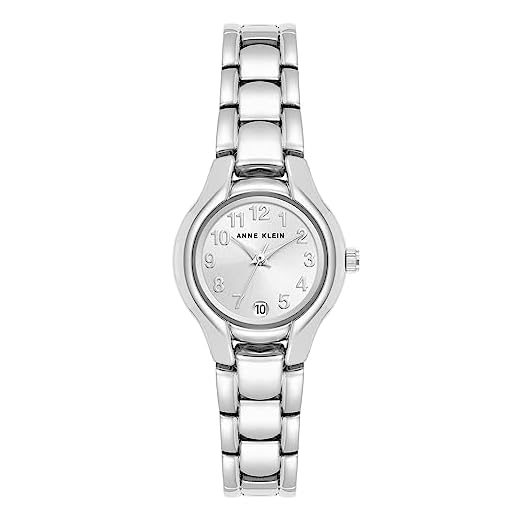
If opting for a more decorative style, ensure it doesn’t slide excessively from side to side. A stationary position enhances comfort during various motions, leading to a more enjoyable wearing experience.
Choosing the right arm also influences comfort; for example, if you are left-handed, wearing a piece on the right may yield less annoyance during writing or other tasks. Testing both placements can reveal which feels more natural.
Lastly, periodically adjusting for comfort throughout the day is advised, as swelling and activity levels may affect fit. This proactive approach promotes long-term satisfaction with your accessory selection.
Understanding Different Types of Timepieces for Women
Analog options offer a classic aesthetic, often featuring intricate designs that complement various outfits. These pieces typically come with quartz or mechanical movements, allowing for different levels of precision.
Digital counterparts cater to those seeking functionality, equipped with features like alarms, timers, and backlighting. They provide convenience for everyday wear and often emphasize a sporty style.
Smart variants have gained traction, merging technology with fashion. These gadgets track fitness metrics, notifications, and apps, appealing to tech-savvy individuals desiring both style and utility.
| Type | Features | Style Suitability |
|---|---|---|
| Analog | Quartz/Mechanical movements, classic design | Formal, Casual |
| Digital | Functionality, alarms, timers | Sporty, Casual |
| Smart | Fitness tracking, notifications | Sporty, Fashion-forward |
Choosing the appropriate type depends on personal style, lifestyle requirements, and intended activities. While classic designs may enhance elegance, functional variations support active routines. Selecting a timepiece should reflect individuality while meeting practical needs.
Accessorizing with a Watch: Balancing Style and Functionality
Select timepieces that seamlessly blend aesthetics with practicality, enhancing both outfits and personal efficiency. Prioritize materials and finishes that resonate with individual style–consider leather bands for a classic touch or metal bracelets for a contemporary appearance.
Ensure that the chosen piece complements the wardrobe. For example:
- Minimalist designs work well with casual attire, while ornate styles elevate formal wear.
- Color coordination with clothing can create a cohesive look; neutral tones offer versatility, while bold colors can serve as statement pieces.
Functionality should not be compromised. Consider features that cater to an active lifestyle:
- Water resistance is essential for daily wear.
- Stopwatch and timer functions add utility, particularly for fitness enthusiasts.
- Smart capabilities appeal to those seeking connectivity without sacrificing style.
Think about layering techniques. Pairing wrist adornments can create depth; however, ensure harmony in size and style to avoid visual clutter. A well-chosen timepiece can serve as a focal point, drawing attention without overshadowing other accessories.
Customization options are worth exploring. Personal engravings or interchangeable straps provide a unique touch that reflects individuality while maintaining function. Balancing these elements creates an elegant, purposeful accessory that enhances daily endeavors.
Maintaining Your Timepiece Securely on the Arm
To prevent your accessory from slipping or causing discomfort, ensure the strap is adjusted properly. Aim for a snug fit that allows one finger to slide between the band and skin without excessive pressure.
Regularly inspect the strap for signs of wear and tear, replacing it as necessary to maintain security. Consider consulting a professional for adjustments or repairs, especially if there are concerns about the mechanism or links.
Utilizing silicone or rubber bands can provide additional grip and comfort during activities. These materials are adaptable, reducing the chance of slippage when engaged in physical tasks.
Store timepieces correctly when not in use. Using dedicated cases or roll-ups can prevent damage and maintain the integrity of the band. Avoid leaving them in excessive heat or humidity, which may degrade materials over time.
Cultivate cleanliness by wiping down the strap regularly. Skin oils and dirt can accumulate, affecting how tightly the piece adheres to your limb. A soft cloth is sufficient for maintaining appearance and hygiene.
Consider utilizing additional accessories such as cuff bracelets for added stability. These can help to keep your piece securely in place while enhancing overall style.
Trends in Women’s Watch Placement and Styling
For modern styling, positioning on the left side remains prevalent, but the right side is gaining traction among fashion-forward individuals seeking to make a statement. Layering pieces allows for unique personal expression; combining with bracelets or cuffs can enhance visual appeal.
Current fashions spotlight larger dials, offering both practicality and a bold aesthetic. Minimalistic designs paired with intricate straps contribute to a sophisticated yet casual look. Incorporate metallic hues like rose gold and silver, as they complement various outfits seamlessly.
Textured straps, such as leather or mesh, provide a tactile element to accessories. Opting for customizable bands offers versatility, allowing shifts between formal and relaxed wear. When coordinating, consider matching materials and colors; this creates a coherent style without overwhelming the overall appearance.
Seasonal trends influence choice as well. Color palettes shift with fashion seasons; warm tones emerge in autumn, while pastels and bright shades dominate in spring and summer. Staying attuned to these trends enables a fresh approach to accessorizing throughout the year.
Functionality does not exclude fashion. Smart devices integrated into timepieces are gaining popularity, providing notifications and health tracking without compromising on style. This blend of utility and elegance defines modern approaches to accessorizing.



