
 Ethan Cole
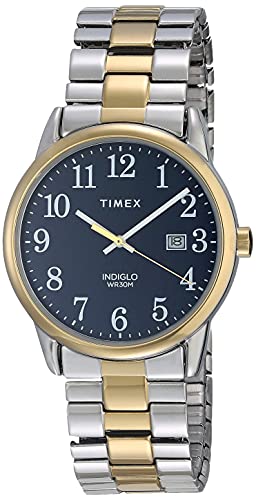
For a balanced aesthetic and practicality, position your timepiece on the non-dominant arm. This approach not only enhances visibility but also minimizes wear during daily activities. If right-handed, place it on the left arm; conversely, left-handed individuals should opt for the right side.
Adjust the band snugly enough to prevent slipping, while ensuring comfort throughout various movements. A secure fit helps maintain accuracy and protects the mechanism from potential damage.
Consider the occasion as well: for formal events, a timepiece on the upper portion may convey sophistication, while a casual setting allows for flexibility in placement. Remember to coordinate the style of your accessory with your outfit for a harmonious appearance.
Optimal Placement for a Timepiece
Position a timepiece slightly above the wrist bone on the non-dominant arm for maximum comfort and accessibility. This allows for easy reading while ensuring the dial is visible without excessive twisting of the arm.
- Avoid positioning too tight, as this can lead to discomfort or restriction of blood flow.
- Consider adjusting for different attire; a dressy outfit may require a more refined look, which calls for a snug but comfortable fit.
- For active use, such as sports or outdoor activities, ensure a secure fit that prevents slipping without constriction.
Monitoring the piece for signs of wear is crucial. If the band starts to loosen over time, readjust it to maintain effectiveness and comfort.


Color choices and material can also influence how a timepiece fits and feels, impacting style perception. Metal bands may feel tighter due to weight, while leather options can offer a more relaxed fit.
Ultimately, personal preference plays a vital role in placement. Experiment with various positions to find what aligns best with your lifestyle and aesthetic needs.
Choosing the Right Wrist for Your Watch
Opt for the non-dominant arm to enhance comfort and accessibility. This option minimizes disruption during daily activities, as it reduces the likelihood of accidental impacts while writing or using tools.
Size and Fitting
Ensure the timepiece is proportionate to the structure of your arm. A larger model may be more suitable for wider frames, while a smaller design complements slender builds. Proper sizing avoids discomfort and maintains optimal functionality.
Style Considerations
Match the accessory to attire. Formal styles pair well with left arms, as it tends to be more visible during social interactions. Conversely, casual looks can be adapted to either side, depending on personal preference.
Business vs. Casual Settings: Watch Placement
In formal environments, positioning a timepiece on the left hand is conventional. This placement reflects professionalism and aligns with traditional norms, particularly with the clasp facing inwards. It allows for easy access to the timepiece while extending your hand for a handshake, enhancing your overall appearance.
Business Environment Recommendations
- Opt for understated designs. A classic leather strap or metal band complements business attire.
- Ensure the piece remains unobtrusive, avoiding oversized models that detract from a polished look.
- Maintain the timepiece at least an inch above the wrist joint for comfort and visibility.
Casual Setting Guidelines
In relaxed atmospheres, flexibility in placement allows for more personal expression. Wearing a timepiece on either hand can suit a laid-back style. Creative bands, such as fabric or silicone, are appropriate, reflecting individuality and casual flair.
- Consider combining different styles. Layering bracelets with the timepiece can enhance a casual outfit.
- Experiment with placement by trying different positions, like above or below the joint, for a unique look.
- Make sure that the piece allows for adequate movement and doesn’t interfere with activities.
Understanding Watch Size and Wrist Position
Choosing an appropriate size for a timepiece is crucial for comfort and style. A model that is too large may slide around, while one that’s too small can feel restrictive. Aim for a case diameter that complements the dimensions of your arm. Typically, between 38mm to 42mm suits most individuals, though personal preference plays a significant role.
Positioning on the forearm greatly influences visibility and accessibility. For active individuals, placing the accessory just above the bone can enhance comfort during movement. Alternatively, individuals seeking aesthetic appeal might prefer it slightly lower, allowing for a more relaxed appearance. Watchbands that are adjustable or made of flexible materials offer added comfort and adapt to various arm shapes.
Consider the thickness alongside the diameter. A bulkier design can overwhelm smaller arms, while a thin piece may look understated on a larger frame. It’s advisable to try different styles to assess what looks proportional and feels comfortable.
Incorporate the watch’s profile into your decision-making. A slim timepiece pairs well with formal attire, while a robust design complements casual ensembles. Finding a harmonious relationship between size, shape, and outfit can elevate the overall look.
Lastly, keep in mind the activity level. For sports or physical tasks, a snug fit is recommended to prevent shifting. In contrast, for leisurely or aesthetic purposes, a looser fit can add elegance without sacrificing style.
How to Adjust Your Watch for Comfort
Ensure the timepiece fits snugly without pinching or sliding excessively. Position it about an inch above the bony area of the hand for optimal comfort. Adjust the strap or bracelet to eliminate gaps, allowing for slight movement while preventing slippage.
If utilizing a metal band, consider adding or removing links for a tailored fit. With leather or fabric straps, utilize additional holes for precise adjustment. If discomfort persists, explore aftermarket options, including padded bands that provide a softer feel against the skin.
For larger faces, a slightly looser fit may enhance wearability, as tighter placements can lead to irritation. Regularly check positioning to avoid friction, particularly during physical activities. This ensures consistent comfort throughout daily tasks.
Additionally, adjust placement based on personal activity. High-impact situations may benefit from a more secure fit, while casual settings can allow for a looser arrangement. Consistently evaluate the adjustment to maintain an agreeable experience while sporting your accessory.
Impact of Activities on Watch Placement
For optimal comfort and functionality, consider placing your timepiece on the opposite arm when engaging in certain physical activities. This positioning minimizes the risk of damage and enhances the user experience.
During exercise or sports, securing the accessory on the non-dominant side helps safeguard it from impacts. Additionally, while performing manual tasks or labor-intensive work, adjust the piece higher on the arm to avoid interference with movements.
In settings involving professional or formal events, maintaining a strategic location on the lower part of the forearm not only conveys style but also ensures easy readability. Conversely, opting for a higher position in more relaxed environments allows for relaxed movement and less friction with garments.
The table below illustrates recommended placements based on activity type:
| Activity Type | Recommended Placement |
|---|---|
| Exercise | Opposite arm, secured mid-way up |
| Manual labor | Higher on the arm, non-dominant side |
| Formal gatherings | Lower forearm, dominant side |
| Casual settings | Higher on the forearm, either side |
Choosing placement based on activity not only enhances functionality but also protects the timepiece from potential wear and tear. Be mindful of how different scenarios influence where the accessory should rest, ensuring both practicality and aesthetics are balanced effectively.
Common Mistakes in Watch Wearing Practices
A frequent blunder involves positioning timepieces too close to the hand, causing discomfort and hindering movement during daily tasks. Aim to place the accessory approximately one to two finger widths above the wrist joint for optimal comfort and usability.
Ignoring Size Proportions
Selecting an oversized or undersized timekeeper for the arm size can lead to awkward appearances. Strive for a balance where the diameter and thickness harmonize with the dimensions of the lower arm. A well-fitted piece complements the overall attire without being overly prominent.
Neglecting Activity Considerations
<p;Placement variations based on activities are often overlooked. During physical exertion or sports, secure the timepiece tighter to prevent it from sliding. Conversely, in relaxed situations, a looser fit enhances comfort. Adjust according to the activity to maintain both functionality and style.


