
 Ethan Cole
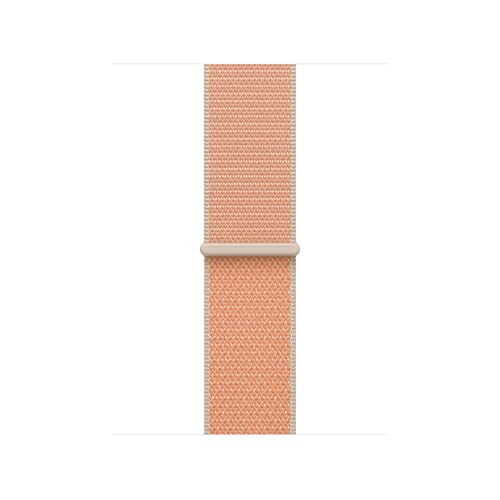
For maximum comfort and visibility, it’s advisable to wear your timepiece just above the bony part of the arm, a few centimeters up from the wrist joint. This positioning ensures that the accessory remains secure, without sliding down or causing irritation during daily activities.
Specific styles may dictate slight adjustments. For instance, larger models may require placement further up the arm to avoid discomfort, while slimmer designs can rest lower, closer to the base of the hand. Assess your personal style and activity level to find the most fitting arrangement.
Another consideration is the orientation of the dial. The face of the timepiece should ideally face outward, allowing for easy readability and enhancing the aesthetic appeal. If wearing multiple accessories, ensure that they do not clash or impede functionality, keeping balance in mind.


Optimal Placement of Timepiece on Arm
Secure your timepiece about an inch above the wrist bone for a comfortable fit and accurate reading. This elevation minimizes friction against surfaces and enhances visibility for quick glances.
Consider the thickness and weight of the accessory; heavier designs may require a slightly tighter clasp to prevent slipping. Lighter models might rest comfortably at a lower angle without the risk of excessive movement.
Wearing the accessory under the shirt cuff provides a polished appearance during formal occasions, while a casual setting allows for a more relaxed drape over the fabric. Adjust the fit to accommodate differing sleeve styles, ensuring a clean silhouette.
Regularly assess the tightness; a loose fit can lead to misalignment, while too much constriction may cause discomfort. Aim for a snug yet easy fit that allows for natural movement.
Gauge your activities. Physical endeavors call for a secure hold, while leisurely settings permit more freedom of placement. Remember to check for any signs of irritation or discomfort, adjusting as necessary throughout the day.
Choosing the Right Wrist for Your Timepiece
Select the non-dominant arm for comfort and functionality. This allows easier access and manipulation, particularly with manual adjustments or interactions.
For those wearing accessories or other jewelry, consider how they ‘compete’ with your timepiece. A balance in style and clutter on the chosen arm enhances aesthetic appeal.
Evaluate the wrist size; a larger or smaller wrist may influence the fit of your timepiece. Try different placements to find what feels secure without restriction.
Assess your daily activities. If frequent movement or physical work is involved, situate the accessory higher on the arm to minimize potential damage or snagging.
Finally, consider personal style preferences. Whether opting for a classic look or something modern, the side you choose can impact your overall appearance. Test various orientations before making a final decision.
Determining the Ideal Placement for Comfort
For optimal comfort, the timepiece should be worn about an inch above the wrist bone, allowing for natural movement without restricting blood flow. Adjusting the strap to achieve a snug yet comfortable fit is crucial; it should not slide excessively or dig into the skin.
Materials and Weight Considerations
Heavier designs may require a more secure fit, as they can shift during daily activities. Lighter models tend to be more forgiving in terms of tightness, allowing for a looser fit without compromising stability. Choosing breathable materials can also enhance comfort, particularly in warmer weather.
Personal Preferences
Experiment with different locations along the forearm. Some individuals prefer a higher placement for aesthetics, while others may prioritize a lower position for easy access to dials and buttons. Consider movement patterns throughout the day–if frequent arm motion occurs, a higher spot may provide greater freedom, while a lower spot can remain more discreet.
Considering Watch Size and Style in Positioning
Opt for a placement just above the wrist bone for larger timepieces, ensuring comfort without restricting movement. For slimmer designs, a lower set may enhance aesthetic appeal while remaining functional.
Size Matters
The diameter and thickness of your piece greatly influence its positioning. Larger styles, typically exceeding 42mm, benefit from a slightly higher alignment. This helps balance proportionality against the arm’s structure.
- Large watches: Center above the wrist bone.
- Medium watches: Just above or slightly below the bone.
- Small watches: Closer to the base of the wrist for a streamlined look.
Style Considerations
The fashion of your accessory should align with its placement. Casual or sporty designs can sit lower for a relaxed vibe, while formal pieces should rest higher to project elegance.
- Leather straps: Fit snugly for a polished appearance.
- Metal bands: Allow for slight adjustability, enhancing comfort.
- Fabric bands: Offer a relaxed look that can be positioned lower.
Choosing the correct layout enhances both comfort and style, creating a harmonious look that complements your outfit and personal taste.
Adjusting Your Timepiece for Different Activities
For physical activities, such as running or cycling, position the timepiece higher on the forearm. This reduces movement during workouts and ensures the device remains accurate in tracking metrics.
Everyday Comfort
For daily wear, align the accessory directly above the prominent wrist bone. This location provides a balanced fit and prevents discomfort during routine tasks. Adjust the strap for a snug but comfortable fit to avoid sliding.
Formal Occasions
During formal engagements, consider positioning the timepiece slightly looser, a few centimeters above the bone. This ensures it won’t leave marks on the skin beneath a fitted sleeve while maintaining elegance.
| Activity | Recommended Fit | Adjustments |
|---|---|---|
| Running/Cycling | Higher on the forearm | Snug fit to limit movement |
| Daily Wear | Above the wrist bone | Snug but comfortable |
| Formal Events | Slightly looser | A few centimeters above the bone |
Maintaining Timepiece Visibility and Accessibility
Place the piece just above the wrist bone for optimal visibility and ease of access. This location allows for quick glances while minimizing the risk of obstruction from sleeves or cuffs. For more formal occasions, consider adjusting the fit slightly tighter to ensure it remains in view when extending the arm.
Ensure the clasp or closure is positioned on the underside, as this keeps the surface smooth and free of distractions. This orientation not only enhances comfort but also allows for seamless interaction with buttons or winding mechanisms without having to shift the accessory significantly.
During physical activities, wear it slightly lower on the forearm, where movement is less restricted. This placement not only avoids interference but also provides an unobstructed view when determining timing during workouts or events. Transitioning to a looser fit can also accommodate swelling or increased circulation, promoting both comfort and accessibility.
For individuals who frequently check the time, consider using a larger face model. Bigger dials enhance readability across various angles, thereby improving visibility without the need for constant adjustments. Additionally, the choice of colors and materials can affect how easily one can read the time; a contrasting color scheme can greatly aid in perception.


