
 Ethan Cole

For practical purposes, placing a timepiece on the left side is commonly recommended. This approach aligns with the predominant practice of right-handed individuals. The left wrist becomes the favored position, allowing for easier accessibility and visibility when checking the time.
Positioning on the left also reduces the risk of damage, as the dominant hand is used more frequently for tasks, potentially causing accidental bumps or scratches. Additionally, if an individual uses a dress shirt, it’s easier to slide the cuff over a timepiece located on the left side.

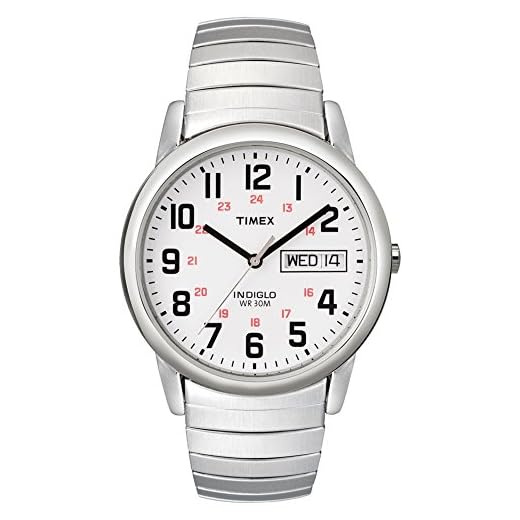
In specific situations, such as certain professional environments or personal preferences, some may choose to sport their timepiece on the right side. Ultimately, comfort and functionality dictate the ideal choice, encouraging each wearer to select what feels most natural and intuitive for their individual lifestyle.
Preferred Arm for Timepiece Placement
The recommendation for positioning a timepiece is to favor the left side for the majority. This recommendation stems from the fact that most individuals are right-handed, making the left wrist more suitable for access without interrupting tasks.
There are several factors influencing this choice:
| Factor | Description |
|---|---|
| Comfort | Utilizing the left wrist minimizes discomfort while writing or engaging in activities that involve the dominant right hand. |
| Protection | The left wrist typically encounters fewer potential hazards, reducing the risk of scratches or damage. |
| Visibility | For right-handed wearers, it’s easier to glance at the dial without adjusting one’s arm position excessively. |
| Fashion Trends | Many style guides promote the left side for classic and sophisticated looks, aligning with formal attire. |
For those who are left-handed, the right side may naturally become the preferred location. Ultimately, personal preference and lifestyle will dictate placement, so individual comfort remains key.
Practical Considerations for Left-Handed Men
For left-handed individuals, placing a timepiece on the right side often enhances comfort and accessibility. Frequent use of the dominant side can lead to wear and tear on the device, prompting a consideration for more durable materials.
Look for timepieces with scratch-resistant features, especially if the right wrist will encounter more activities. Adjustability in strap design is also advantageous, allowing for a secure yet comfortable fit that accommodates diverse wrist sizes.
Opt for models with intuitive controls. Chronographs or complex functions may be cumbersome to manage from the opposite side. Simpler interfaces generally promote ease of use.
Be mindful of positioning in professional settings. Wearing a timepiece where it’s least likely to clash with activities–such as typing–will reduce potential distractions.
Lastly, consider the aesthetics. Choose styles that complement the dominant wrist without feeling out of place. The right choice can enhance both functionality and personal expression.
Cultural Norms Influencing Watch Placement
In many regions, tradition dictates that timepieces are typically placed on the left side. This practice stems from a long-standing belief that most individuals are right-handed, making the left side more convenient for viewing without interrupting daily tasks.
In some cultures, particularly in Asia, the left side signifies a more personal and intimate connection. Wearing a timepiece on this side can denote a sense of self-awareness and mindfulness, which is highly valued in certain societies.
Conversely, there are communities where placing a timepiece on the right signifies status and confidence. This practice is often linked to those in leadership roles who desire to project authority through their accessories.
A notable example can be seen in the Arabic world, where the left wrist is often reserved for more personal reflections, while the right side is preferred for public displays of wealth, including timepieces. This cultural nuance illustrates the complexities involved in watch placement.
Understanding these varying traditions is vital for individuals who wish to respect cultural values while choosing their accessory placement. Adapting to local customs can enhance interpersonal interactions and improve the perception of one’s style.
Choosing the Right Hand for Comfort and Functionality
For optimal comfort and practicality, consider positioning the accessory on the non-dominant side. This helps prevent interference with daily tasks and supports ease of movement. By aligning the piece with your less-active arm, the risk of accidental impacts during activities diminishes. For instance, right-handed individuals typically favor the left side, while left-handed individuals might prefer the reverse.
Adjusting for Fit and Activity
Ensure the timepiece is snug but not restrictive. When engaging in physical activities, such as sports or manual labor, the choice of placement may influence your performance. A tight fit can cause discomfort and may hinder circulation, so prioritize a comfortable design that remains secure while allowing freedom of movement.
Incorporating Personal Style
Consider the aesthetic aspects, as style plays a significant role in accessory selection. Some individuals opt for bold statements, while others prefer understated elegance. Whether prioritizing a classic look or modern flair, the proper alignment can harmonize with your appearance while providing functional accessibility. Aim for a position that complements both your lifestyle and fashion sense.
Watch Type and Its Impact on Hand Preference
The choice of timepiece can significantly influence the optimal arm for wearing it. Chronographs, for example, often feature complicated dials that may be easier to operate with the dominant side, enhancing functionality and ease of use. Automatic and mechanical models, which require regular winding, might also be more practical on the dominant side, allowing quick adjustments.
Different Styles and Their Considerations
- Divers: These require robust seals and durable materials. Being on the non-dominant side can protect from accidental bumps.
- Smartwatches: With features relying on touch screens, convenience might dictate placement on the dominant side for better accessibility.
- Dress Timepieces: Typically worn for formal occasions, wearing these on the non-dominant side may help avoid accidental scratches while gesturing.
Size and Weight Factors
Oversized models can be cumbersome. Placing heavier designs on the non-dominant side may alleviate strain and improve comfort. Lighter options allow for more flexibility, letting users choose based on overall preference.
Ultimately, selecting the appropriate timepiece type directly affects which arm offers better usability, functionality, and comfort. Evaluating these factors is key to optimizing the wearing experience.
Style Tips for Wearing a Watch on Different Hands
For a refined look, position timepieces on the non-dominant side. This often enhances visibility while allowing for comfort during various activities. Choose a minimalistic or classic design to maintain a polished appearance.
The color and material of the accessory can play a significant role. Metallic bands complement formal attire, while fabric or rubber straps lend a more casual vibe. Ensure that the selection resonates with the overall outfit to create harmony.
When opting for layering, consider stacking additional bracelets on the opposite wrist. This adds visual interest and balances out the ensemble. Ensure that the materials used in both accessories are complementary, avoiding clashing textures.
In settings like business meetings or formal engagements, position the piece on the less-accessible side to prevent distractions. This approach conveys professionalism while still showcasing the accessory beautifully.
Sports-oriented models might benefit from placement on the dominant side for easy access. Such pieces typically feature durability and functionality, making them ideal for active situations. Ensure that the timepiece is secure to avoid any disruption during movement.
Cultural aspects might affect placement choices. Research regional preferences which could enhance conformity, displaying awareness of cultural significance associated with timepieces in different societies.


