
 Ethan Cole

The ideal placement for your timepiece is typically on the non-dominant arm. Most individuals find wearing their timekeeper on the left side more comfortable, especially if they are right-handed. This positioning minimizes the risk of accidental damage while enhancing visibility. Left-handed individuals often prefer the opposite arrangement, choosing to adorn their right side.
Consider the specific functionalities of your accessory. If it includes smart features, wearing it on the less active arm may prevent unintentional taps or notifications from interrupting your daily activities. Additionally, personal style preferences can play a significant role in your decision; select the arm that aligns with your overall aesthetic and comfort.
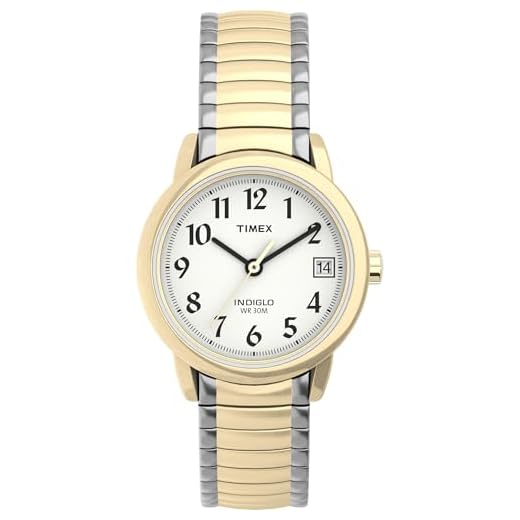

Ultimately, experiment with both sides to determine which feels more natural for you. Each person’s experience varies; thus, personal preference is crucial in making this choice. Prioritize comfort and practicality to ensure your timepiece serves its intended purpose seamlessly.
Choosing the Right Side for Your Timepiece
For most individuals, the left side is the preferred location for wearing a timekeeping device. This tendency is primarily due to the convenience of using the dominant hand for daily tasks while keeping the accessory safe and secure on the less active side. However, personal comfort plays a significant role in this decision.
Considerations for Wearing Your Timepiece
1. Dominant Hand: If right-handed, the left side offers ease of access. Conversely, left-handed individuals might prefer donning their device on the right. Test both positions to determine what feels natural.
2. Type of Device: Bulkier models may fit better on the side opposite the dominant hand to avoid interference during activities.
3. Activity Level: For those engaged in physical tasks or sports, wearing on the opposite side can minimize the risk of damage.
Style and Fashion Aspects
Personal style influences this choice as well. Some fashion-forward individuals opt for wearing on the opposite side for aesthetic reasons, creating a unique statement. Always ensure that the design aligns with your personal style while ensuring practicality.
Ultimately, the experiencing of wearing timekeeping tools is subjective. Experiment with both sides to find what suits your lifestyle and comfort best.
Left Wrist vs Right Wrist: Common Practices
Traditionally, the left side is preferred for wearing timepieces, primarily due to the majority of individuals being right-handed. This allows for easier adjustments and winding. However, left-handed users often opt for the opposite side for convenience.
Historical Context
Historically, many cultures associated the left side with femininity and the right with masculinity, influencing watch placement. Over time, these practices evolved, and personal preference became the primary driver behind the choice of side.
Contemporary Trends
Current fashion trends have introduced a more flexible approach. Some wearers choose a specific arm based on style, occasion, or comfort. Multi-watch use has also risen, with some individuals sporting a timepiece on each arm, reflecting personal expression and individuality.
Guidelines for Choosing the Right Wrist
Place the timepiece on your non-dominant side for convenience and ease of use. This allows for quick glances without interfering with daily activities. Assess your comfort level; the ideal position should feel natural and unobtrusive.
Style Factors
Consider the aesthetic and functionality of the accessory. Some opt for a particular arm depending on fashion trends, while others prioritize practicality. A bulky design may require a more secure fit, suggesting preference for the dominant arm. Conversely, minimalist styles may complement either side equally.
Activity Level
Evaluate your daily tasks. If engaging in activities requiring hand movement, position the timepiece on the side less active to prevent damage. Ensure the band is adjustable for better comfort during sports or labor-intensive work.
Considerations for Left-Handed Individuals
Left-handed individuals are often encouraged to wear their timepieces on the right arm to enhance comfort and accessibility. This choice reduces interference during daily tasks involving the dominant hand.
- Choose a timepiece that suits your personal style and fits comfortably on the right arm.
- Opt for models with adjustable bands to ensure a secure fit without pinching or discomfort.
- Consider ease of reading the display; a watch with clear markings is beneficial.
- Determine if a specific design (analog or digital) aligns with your daily activities.
Compatibility with daily routines is key. Test wearing different styles to find what feels most natural for you. If you find that using your dominant hand for adjustments is cumbersome, consider investing in a magnetic or clasp design for easy access.
Be mindful of your workspace and hobbies. Certain activities might dictate whether wearing a timepiece is practical. You may choose to remove it during specific tasks to prolong its life or prevent damage.
Impact of Watch Design on Wrist Choice
The choice of arm for timepiece placement is heavily influenced by its design elements. A lightweight, minimalist design may feel more comfortable on the non-dominant side, allowing for ease of movement during activities. Conversely, a larger, heavy-duty model often suits the dominant side, where it can remain securely in place during intense use.
Color and style can also impact comfort and accessibility. Bold or intricate designs may draw attention, prompting wearers to choose the less dominant side to minimize visibility during formal or professional settings. In contrast, understated aesthetics can encourage placement on the dominant side for easy access and adjustment.
Additionally, the size and shape of the case are significant factors. Oversized or chunky timepieces may require more support, making the dominant arm a more practical option. Slimmer models can be comfortably worn on either side depending on personal preference and functional use.
Ultimately, selecting the perfect arm is a synergy between personal style and the functional attributes of the piece itself. Consideration of design characteristics alongside personal habits ensures a harmonious fit in daily life.
Cultural Norms and Their Influence on Wrist Preference
In many cultures, the side on which individuals wear timepieces carries significance. For instance, in Western societies, males predominantly opt for the left arm, aligning with the preference for right-handedness in daily activities. This trend correlates with practical aspects such as comfort and convenience during tasks.
Conversely, some Eastern cultures exhibit a diverse approach. In parts of Asia, wearing a timepiece on the right arm can signify a statement of individuality or cultural identity. Such practices illustrate the interplay between personal choice and societal expectations.
Gender norms also shape this decision-making process. Traditional gender roles may dictate that women lean towards decorative styles, often resulting in varied preferences based on aesthetics over functionality.
| Culture | Common Preference | Significance |
|---|---|---|
| Western | Left | Aligns with right-handedness |
| Eastern | Right | Symbol of individuality |
| Traditional Gender Norms | Varied | Aesthetic over functionality |
Ultimately, understanding these cultural influences allows individuals to make informed choices that reflect both personal style and societal context. Engaging with these norms can enhance the significance of choosing the right arm for wearing a timepiece. This intersection of culture and personal preference is vital in cultivating a unique identity.



