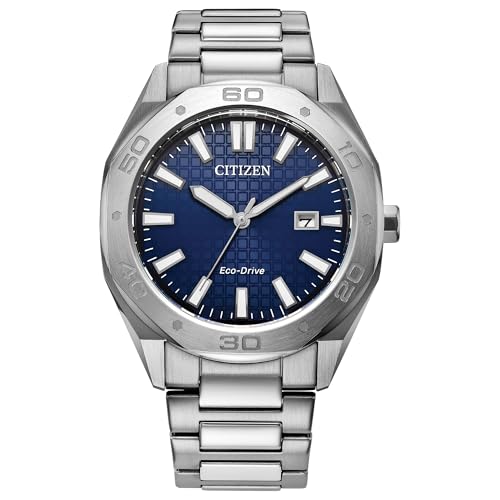
Ethan Cole

Opt for the left arm when adorning your wrist with a timepiece, as this is traditionally favored by many. This preference allows for easier adjustments, especially if you are right-handed. Many wearers find it more intuitive to manipulate the clasp or buckle with their dominant hand.
Should comfort and style guide your decision, consider the shape of your arm. If your left arm is more slender, placing the timepiece there can create a more elegant appearance. On the contrary, when the right arm boasts a more defined look, it can serve as an impressive canvas for a statement piece.
Personal choice naturally plays a significant role. A practical approach is to simply try both arms, observing how it feels and looks in your day-to-day activities. Ensuring the timepiece sits comfortably and showcases your unique style is paramount.
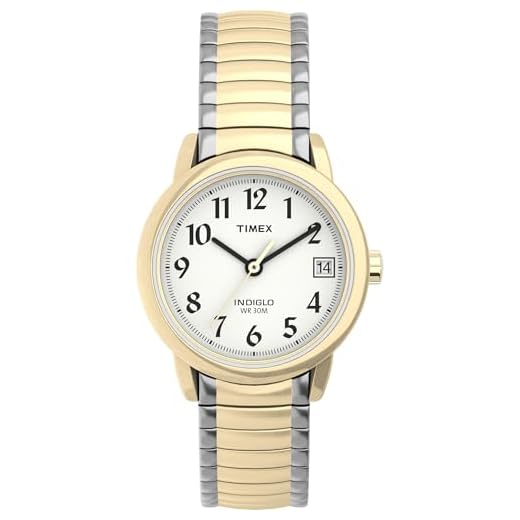

Choosing the Right Arm for a Female Timepiece
Traditionally, the left side is favored for wearing a timepiece. This is primarily due to the convenience of adjusting and interacting with it using the dominant right hand. Additionally, this positioning helps reduce the risk of damage during daily activities.
However, personal preference and lifestyle play a significant role in this choice. Some individuals opt for the right side to express individuality or for specific practical reasons. For instance, if a person predominantly uses their left hand for tasks, wearing a timepiece on the right allows for easier access and readability.
It’s beneficial to consider the following factors:
| Factor | Description |
|---|---|
| Comfort | Wear on whichever arm feels more natural during daily tasks. |
| Dominant Hand | Choose the opposite side of your dominant hand for easier adjustments. |
| Style Preference | Mix and match accessories for a personalized style. |
| Watch Type | Consider the design; some models may look or feel better on one side. |
Ultimately, the decision is personal and should reflect your unique style and comfort level.
Choosing the Right Wrist Based on Personal Preference
Placing a timepiece on the dominant side often aligns with ease of access, especially for those who frequently check the time. However, some prefer to wear their accessory on the non-dominant side to avoid interference during daily activities. Assess your dominant hand and consider convenience as a priority.
Style and Comfort
Fashion choices also influence positioning. A delicate design may suit the left side for a more refined look, while a bold, statement piece could add flair to the right. Ensure comfort by trying the piece on both sides and observing how it sits on the wrist. A snug fit without pinching creates a pleasant wear experience.
Type of Activity
Daily routines impact placement as well. For active lifestyles, the non-dominant side is often favored to minimize potential damage. On the contrary, if the day involves attending formal events, the dominant side free of physical tasks allows for an elegant display of the accessory. Hence, assess your daily activities to make an informed decision.
Impact of Watch Size on Wrist Selection
The dimension of a timepiece can significantly influence its suitable placement on the arm. Smaller models, typically ranging from 26mm to 32mm, are ideal for slender arms, offering a balanced and proportional appearance. These compact designs emphasize elegance and are often chosen for formal occasions.
Conversely, medium to large timepieces, spanning 33mm to 40mm or more, cater to wider and more robust arms. These sizes provide a bolder aesthetic, making a statement while ensuring comfort. For those with larger frames, watches exceeding 40mm may enhance overall proportions without overwhelming the arm.
Balance and Proportion
Proportionality is key in achieving aesthetic harmony. A petite individual may find oversized models visually unappealing, leading to an unbalanced look. On the other hand, robust designs can overpower delicate frames, impacting overall style. Selecting a size that complements body structure is essential for a polished appearance.
Comfort and Functionality
Comfort should not be overlooked. A larger piece might feel cumbersome on a smaller arm, affecting movement and daily wear. Conversely, overly compact designs could appear lost against a wider frame. Trialing various sizes can assist in determining the right fit, ensuring both visual appeal and comfort throughout the day.
Fashion Trends: Right versus Left Wrist for Ladies
Current style preferences indicate a shift towards wearing timepieces on the dominant arm. Right-handed individuals typically opt for their left hand, while left-handed individuals prefer the opposite. This trend highlights the practicality of ease and accessibility.
Jewelry layering is a notable aspect of contemporary fashion. Many choose to wear bangles, bracelets, and statement pieces alongside their timepieces. Women often select the arm that complements their overall aesthetic. Mixing metals and styles has gained popularity, allowing for unique combinations that enhance individual expression.
Proportions matter. Larger timepieces are often associated with the left side, providing a balanced look when paired with bold accessories. Sleeker designs tend to be alluring on the right, creating an elegant and understated effect. Consider the visual impact of your choice based on outfit proportions and personal style.
Seasonal trends change preferences as well. During cooler months, layering becomes easier, pushing more towards the dominant side. In warmer seasons, minimalism prevails, often leading to a preference for simplicity and streamlined appearances.
Cultural Influences on Timepiece Wearing Practices
In various cultures, the choice of arm for adorning a timepiece reflects deep-rooted traditions and societal norms. For instance, in many Western societies, the left arm is often preferred, associating it with the tradition of encumbering the dominant side with additional accessories. Conversely, in some Eastern cultures, the right side may hold significance for auspicious reasons, influencing the direction of wearing.
Religious beliefs also play a critical role. In cultures where the right side is viewed as more fortunate or sacred, individuals tend to wear their timepieces on that specific side. Additionally, certain social settings may dictate acceptable practices, with formal occasions often favoring the left side due to conventions regarding presentation and elegance.
Moreover, the influence of fashion and design trends cannot be overlooked. High-profile figures and celebrities have the power to set norms, leading to shifts in preference between arms based on what is deemed stylish at the moment. Social media platforms amplify these influences, as followers seek to emulate the looks of prominent fashion icons.
Lastly, practical considerations may dictate choices as well. Individuals involved in activities requiring the use of both hands might opt for the opposite side to avoid interference. Thus, both cultural context and practical needs shape the decision of where to position a timepiece.
Comfort Considerations: Adjusting to Your Chosen Wrist
For an optimal wearing experience, select a position on your arm that allows for comfortable movement and accessibility. Generally, placing the timepiece on the non-dominant side may ease the risk of bumps and scratches.
Size and Fit Adjustments
Ensure that the timepiece fits snugly but not too tightly. A properly adjusted strap or band is crucial for maintaining comfort throughout the day. Consider a flexible band, as this can make it easier to accommodate changes in wrist size, particularly in relation to temperature fluctuations or physical activity.
Material Implications
Choose materials that suit your skin type and lifestyle. For instance, metal links may cause discomfort during a long wear if you have sensitive skin, while silicone or leather options can offer better comfort and breathability. Experiment with different types to see which materials provide the best fit for your personal needs.
Finally, regularly assess how your accessory feels during various activities. If you often feel constrained, it may be time to rethink either the positioning or the type of timepiece you are using.
Practical Tips for Switching Wrists with Different Styles
Rotate accessories between your arms. This practice enhances the style impact and balances wear. If you alternate, it allows a fresh perspective on your ensemble.
Accessorizing with Bracelets
Consider layering bracelets with your timepiece. Use a combination of materials, such as leather, metal, or beads, to create a cohesive appearance. Choose colors that complement the attire. Alternatively, mismatched elements can indicate a bold personality.
Adjusting Fit and Comfort
- Ensure the timepiece fits snugly but comfortably. Adjust the band to avoid excessive movement on the arm.
- Switching arms may require different band lengths due to variations in arm size. Experiment to find the best fit for each side.
- Consider silicone or fabric bands for casual wear, providing comfort when switching between arms frequently.
Observe how specific styles can influence occasions. For instance, a delicate design might be suited for formal events, while a sporty model complements casual outings. Operating with various styles can draw attention to personal taste.
Switching Based on Activity
- Wear on the dominant arm if engaging in activities that require free movement. This allows for unhindered dexterity.
- In relaxed settings, experiment with the opposite arm. It can create a different aesthetic without compromising functionality.
Always assess personal comfort levels. Transitioning to an alternative position may feel strange at first, but continuous experimentation will enhance ease and confidence in accessorizing.