
 Ethan Cole

Opt for the left side when selecting a hand for your timepiece. This choice has become the standard due to practicality and ease of use. In most cases, adjusting the strap, checking the time, or winding a mechanical piece feels more natural on this side. The majority of individuals are right-handed, making the act of using a device more intuitive with the dominant hand being free.
Alternatively, place the piece on the right if you are left-handed. This ensures optimal comfort and accessibility, allowing you to engage your dominant hand without hindrance. It’s worth considering that personal preference also plays a significant role. Some may feel more visually balanced or stylish showing off the timepiece on a particular side.
Keep in mind the type of activity planned for the day. If engaging in sports or manual work, a secure fit and placement become crucial. You might want to opt for the non-dominant side to minimize the chances of damage. A good tip is to choose a strap that complements your daily routine, ensuring both functionality and style coalesce seamlessly.
Choosing the Right Arm for Timepieces
Opt for the left arm for convenience, especially if you’re right-handed. This positioning minimizes the risk of damage during daily activities and ensures easy access when checking the time.

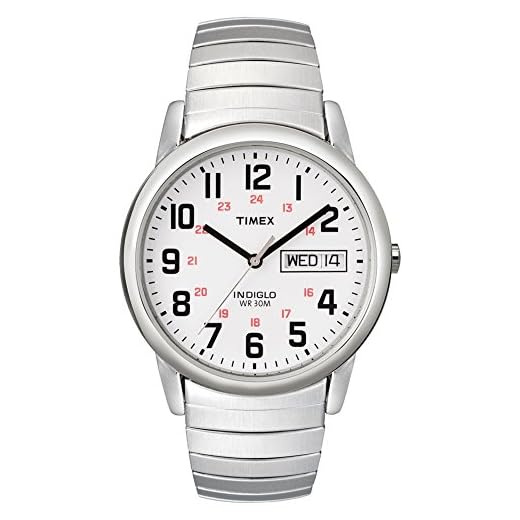
If you are left-handed, consider the opposite; the right arm can be more practical in this case, allowing for better visibility and comfort.
Consider the choice of style as well:
- Formal pieces: Left side is typically preferred to maintain an elegant look.
- Sporty designs: Can be worn on either side depending on personal comfort.
Take into account physical characteristics:
- Watch size: Larger models may sit better on the dominant side.
- Wrist circumference: A snug fit helps maintain stability, influencing the choice of arm.
Ultimately, the decision boils down to personal preference and lifestyle. Test both locations to determine which feels more natural and suits your routine better.
Left Wrist vs. Right Wrist: What’s the Norm?
Usually, the left side is favored for placement. A significant percentage of men opt for this due to convenience and ease of use. Right-handed individuals commonly find it simpler to operate a timepiece on their non-dominant side.
On the other hand, some prefer the right side. Left-handed wearers choose this option to avoid interference while writing or performing daily tasks. This choice often reflects personal comfort and practicality.
- Left Side:
- Accessibility for most right-handed people.
- Less risk of damage during everyday activities.
- Traditionally associated with classic style.
- Right Side:
- More suitable for left-handed users.
- Allows for easier adjustment without hindrance.
- Can make a bold fashion statement.
Ultimately, the choice hinges on individual preference and lifestyle. Whether choosing the left or right side, ensure comfort and suitability in daily interactions.
Consider Your Dominant Hand When Choosing a Timepiece
If you are predominantly right-handed, consider placing your timepiece on the left side. This choice not only provides easier visibility but also minimizes the likelihood of damage when using your dominant hand for tasks. Conversely, if you primarily use your left hand, position the accessory on the right side. This facilitates better accessibility and helps reduce obstacles in your daily activities.
Take into account the functionality of your chosen accessory. For example, if it includes complications like a stopwatch or tachymeter, these features may be more easily operated with your dominant hand. Experiment with different placements to determine which feels most comfortable and practical for your routine.
Style preferences also play a role. A bold timepiece may stand out differently depending on its placement. Assess how it complements your outfit and overall appearance when worn on either side. Ultimately, choosing the correct side is about personal preference, practicality, and how the piece enhances your expressiveness.
How to Match Your Watch Style with Your Wrist Choice
Choose a timepiece based on personal style, occasion, and comfort. A dress piece complements formal attire, while a sports model suits casual wear. Consider the size of the accessory; larger pieces generally match broader bones, while slim designs are ideal for more slender arms.
Consider the Material
The material of the bracelet affects both aesthetics and feel. Metal bands tend to convey sophistication and durability, making them fitting for business settings. Leather straps offer a classic look, perfect for both casual and semi-formal situations. Fabric or rubber bands typically align with an active lifestyle.
Balance with Proportions
Ensure the proportions between the accessory and the arm are harmonious. A bulky model may dominate a smaller frame, while delicate styles might get lost on a more robust physique. Pay attention to the thickness of the straps and the weight of the piece to maintain a balanced appearance.
Wearing a Timepiece on Your Non-Dominant Hand: Benefits Explained
Opting for placement on your less frequently used arm can enhance functionality and comfort. This choice minimizes interference with daily activities, reducing the risk of damage or misalignment while performing tasks such as writing or using tools.
Enhanced Visibility
Positioning the timekeeping device on the opposite side allows for easier glances without adjusting your entire arm. Such accessibility can be particularly beneficial during meetings or social interactions, ensuring you stay aware of your schedule discreetly.
Complementing Personal Style
This approach opens up design possibilities, as many find the aesthetic combination of accessories on the dominant side more appealing. It enables a distinguished look, with the secondary arm becoming a canvas for distinctive styles, whether minimalist or ornate.
Watch Comfort: Finding the Right Fit on Each Wrist
Prioritize selecting a timepiece that fits snugly yet comfortably. Aim for a strap that allows for slight movement without pinching the skin or feeling overly loose. Comfort is paramount, as an ill-fitting accessory can become a distraction during daily activities.
Measure your wrist circumference to determine the appropriate size. Adjustable bands accommodate different sizes, while fixed straps require careful selection. Brands often provide size guides, which can assist in making an informed choice.
Consider material choice as well; leather, metal, and silicone offer varying degrees of comfort. Leather can mold to the skin over time, while silicone is lightweight and breathable, ideal for active lifestyles.
Pay attention to position. A slightly higher placement on the arm may prevent constant friction against the desk or while typing. Experimenting with placement can enhance day-to-day usability.
Regularly assess comfort during wear. Pay attention to any signs of irritation or undue pressure. Adjust the fit as necessary to ensure continuous ease throughout the day. Comfort directly impacts how frequently an accessory is worn, reinforcing the importance of this aspect.
Ultimately, the best experience involves a combination of the correct fit, suitable materials, and thoughtful placement, ensuring that the timepiece remains a reliable and stylish companion.
Personal Style and Fashion Trends in Watch Placement
Choosing a side for timepiece placement reflects personal aesthetics and current styling trends. Observing contemporary fashion, many opt for placement on the non-dominant arm, driven by both tradition and practicality. This trend reinforces an effortlessly stylish appearance while accommodating daily activities without obstruction.
Matching the timepiece with attire elevates the overall look. A sophisticated model complements formal wear while sportier designs align with casual outfits. Texture plays a pivotal role; materials like leather or metal should harmonize with clothing choices to avoid clashing.
The rise of layered accessories has shifted preferences toward stacking styles. A minimalist watch can be paired with bracelets, enhancing visual interest without overwhelming. Color coordination is essential; choose hues that coexist beautifully, providing a cohesive appearance.
| Style Type | Recommended Placement | Accessories to Consider |
|---|---|---|
| Formal | Non-dominant | Cufflinks, ties |
| Casual | Dominant | Leather bracelets, fabric bands |
| Sporty | Non-dominant | Fitness bands, silicone straps |
Social settings influence choice significantly; consider the audience when determining placement. Professional environments commonly favor traditional styles on the non-dominant side, while creative contexts invite more freedom in experimentation. Keeping the watch functional while stylish accommodates various occasions seamlessly.



