
 Ethan Cole
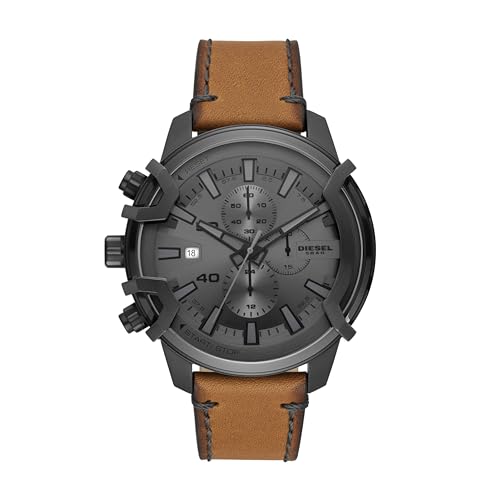
For individuals proficient with their right side, it’s advisable to position that accessory on the left forearm. This setup minimizes interference while conducting daily tasks, allowing for enhanced comfort and practicality.
Conversely, if your dominance lies in the left arm, locating the timepiece on the right side can yield better usability. The design of most timekeepers is oriented for the left side, thus placing it on the opposite allows for seamless operation without hindrance.
Consider additional factors like the style and type of the timepiece. For bulkier models, having them on the non-dominant side may prevent scratches and damage during activities. Simpler designs often adapt well to either arm, depending on personal comfort and aesthetic preference.


Ultimately, the choice hinges on individual habits and lifestyle. Testing both placements can guide you toward the most suitable arrangement that merges functionality with a fashionable touch.
Recommended Placement for Timepieces on the Non-Dominant Side
For individuals who predominantly use their right side, positioning the timepiece on the right side is advisable. This arrangement minimizes the risk of damage from daily activities, allowing for more fluid use of the dominant side.
Practical Considerations
- Comfort: Ensure that the size and style do not interfere with activities.
- Visibility: Choose a model that allows for easy reading while engaged in tasks.
- Functionality: Consider functions such as water resistance, especially for active individuals.
Styles and Adjustments
Explore options like mesh bands or adjustable straps for enhanced comfort. When selecting materials, softer components can further enhance wearability. Ensure the chosen design balances aesthetics and practicality to suit both casual and formal occasions.
Understanding Left-Handedness and Watch Placement
For individuals who are more adept with their right side, the most effective approach is to position a timepiece on the right arm. This aligns with the natural movements and decreases the likelihood of it being obstructed during various tasks.
Optimal placement involves ensuring that the timepiece is comfortably secured without being overly tight or loose. A snug fit can improve both functionality and comfort, allowing for effortless checking of time.
Consider the style of the accessory as well. Those who prefer a larger or bulkier design may find that it sits better on the opposing arm, which can provide a balanced aesthetic that complements personal attire.
Social situations may also dictate placement. While some may choose the typical convention of placing a timekeeping device on the non-dominant side, others may wish to stand out and express individuality by opting for the opposite arm.
Overall, the choice is personal. Each wearer should assess their daily activities and preferences to determine the most practical and stylish option. The goal is to find a position that feels natural and enhances everyday functionality.
Choosing the Right Timepiece for Your Dominant Hand
Opt for timepieces designed for ease of access and comfort. Individuals who predominantly use their left appendage should consider placing the device on the right side. This prevents accidental dials during daily tasks.
Look for models with a crown positioned on the opposite side. This design allows for smooth adjustments without interference. Additionally, select bands that suit your activity levels, ensuring a secure fit without constricting movement.
For frequent activities, such as sports, a robust variant with durable materials may be ideal. Alternatively, for formal occasions, a sleek option that complements attire will enhance your overall presentation.
Size also plays a key role. Ensure the chronometer is proportionate to your physique for both aesthetic appeal and functionality. A well-fitted accessory not only looks better but also enhances comfort during use.
Lastly, consider the personal style and the narrative you wish to convey. Whether bold, minimalist, or classic, the right piece aligns with your identity and activities.
Practical Tips for Comfortable Timepiece Use
Choose a model with a smaller case size and a flexible band for utmost comfort. A lightweight material, such as silicone or fabric, can enhance the overall experience during daily activities.
Adjusting for Optimal Fit
Ensure the band fits snugly but not too tight. A distance of one finger between the band and skin allows for breathability, preventing irritation during extended usage. Regular adjustments based on your activity level are advisable.
Placement Considerations
Position the accessory higher on the arm to avoid interference with tasks or tools. Keeping it closer to the elbow can provide greater accessibility without disrupting movements.
Regular maintenance, such as cleaning the band and checking the clasp mechanism, contributes to longevity and comfort. If possible, alternate between different designs or types to experience a variety of styles without any discomfort.
Consider the versatility of swapping bands. Having multiple options means adapting to both casual and formal settings without sacrificing comfort or style.
Common Mistakes Left-Handed Watch Enthusiasts Make
One frequent misstep is opting for designs primarily tailored for right-handed individuals. These timepieces often feature crowns and buttons placed in a manner that makes them challenging to manipulate with the dominant side. Choosing models that offer ambidextrous features can significantly enhance user experience.
Another common oversight is overlooking the size and weight of the timepiece. Individuals with a dominant side may prefer larger, bulkier models without considering that such designs can hinder movement and comfort. Selecting lighter, more ergonomic options can lead to a more enjoyable experience.
Many also fail to account for the position of wearable technology. Smart devices may require adjustments to accessibility settings, especially for notifications and alerts. Familiarizing oneself with these features can prevent frustration and enhance functionality.
A significant number forget the importance of strap adjustments. Straps that are too tight or too loose can impede daily activities. Regularly checking and adjusting fit can significantly improve comfort and usability throughout the day.
Lastly, neglecting personal style can lead to dissatisfaction. Opting for a design that doesn’t resonate with one’s taste may result in underutilization. Investing in a timepiece that aligns with personal aesthetic preferences ensures that it is worn more frequently and proudly.
Adjusting Watch Features for Left-Handed Use
For individuals preferring their right side for tasks, adjusting the functionalities of timepieces can enhance usability. Start by exploring timepieces that offer customizable settings. Choose models that allow repositioning of buttons for easy access.
Consider the following features:
| Feature | Recommendation |
|---|---|
| Button Placement | Select models with buttons positioned on the left side for straightforward operation with the dominant hand. |
| Display Orientation | Opt for watches with adjustable graphical user interfaces, enabling rotation of the display for optimal visibility. |
| Strap Type | Leather or fabric straps that adapt easily to fit may provide more comfort and security. |
| Smart Features | If using a digital variant, configure notifications and controls to align with preferred finger movements. |
Periodically reassess the fit and functionality. Customization can significantly impact daily usability and enhance overall experience. Seek assistance from a skilled jeweler or technician for modifications to make the device truly compatible with the dominant side.



