Ethan Cole

If your timekeeper is malfunctioning, seek out a skilled horologist who specializes in this intricate craft. These artisans possess the training and expertise necessary to handle diverse complications, ranging from simple battery replacements to complex movements that require meticulous attention to detail.
For those with more than basic issues, consider approaching an accredited service center. These establishments often employ certified technicians who have undergone rigorous training programs focusing on different brands and models. Their access to genuine parts and proprietary tools ensures the longevity of your treasured accessory.


In situations where you prefer to attempt repairs yourself, a variety of online tutorials and guides exist to assist you in managing straightforward tasks. Always ensure you have the appropriate tools, such as case openers and precision screwdrivers, to prevent any damage while working on your mechanism.
Ultimately, the choice of repair method significantly depends on your situation and the value of the piece. Regardless of the route you take, prioritizing quality in both service and parts will guarantee that your timepiece remains a reliable companion for years to come.
Watchmakers vs. Jewelers: Who is More Qualified?
For intricate timepieces, a watchmaker is the most suitable choice. With specific training in horology, they possess deep knowledge of mechanisms, gears, and movements. Their expertise allows them to address complex issues that jewelers, who focus more on design and aesthetics, may not be equipped to handle.
Training and Skills
- Watchmakers undergo rigorous education, often earning certifications from specialized schools.
- Hands-on experience with various types of movement, including automatic, quartz, and mechanical, is a hallmark of their skill set.
- Jewelers, while talented, mainly concentrate on crafting and repairing jewelry, which limits their proficiency with watch internals.
Types of Repairs
Common repairs handled by watchmakers include:
- Replacement of delicate components like springs and escapements.
- Calibrating precise movements to ensure correct timekeeping.
- Cleaning and lubricating intricate mechanisms to enhance performance.
Jewelers typically perform:
- Battery replacements for quartz devices.
- Resizing watch bands or replacing decorative elements.
In summary, for technical problems requiring expertise in timekeeping devices, a watchmaker is the preferred professional. For cosmetic adjustments or simple repairs, jewelers can suffice. Prioritize specialists based on your specific needs.
How to Identify a Reliable Watch Repair Shop
Check for customer reviews and testimonials online. Look for feedback on services provided, turnaround times, and customer service experiences. Platforms like Google Reviews or Yelp can offer insights into the quality of repair shops.
Verify the credentials of the technicians. Look for certifications or training programs in horology that the experts have completed. Membership in professional organizations may indicate dedication to their craft.
Evaluate the range of services offered. A comprehensive repair shop should handle various types of timepieces, including mechanical, quartz, and luxury models. This suggests a broad expertise conducive to effective repairs.
Visit the shop in person, if possible. Assess the cleanliness and organization of the space. An orderly environment often reflects a professional approach to repair work.
Ask about warranties for repairs. A reliable establishment should provide guarantees on their workmanship and parts. This indicates confidence in their services.
Inquire about the tools and technology used for repairs. Shops that invest in modern equipment are likely committed to delivering higher quality services.
Discuss repair timeframes upfront. A trustworthy shop will provide honest estimates regarding how long repairs will take, avoiding unrealistic promises.
Seek recommendations from friends, family, or watch enthusiasts. Personal referrals can lead to discovering reputable technicians who have proven their skills.
Common Watch Problems Handled by Professionals
Faulty timekeeping is a frequent issue, where a timepiece runs either too fast or too slow. This usually stems from a worn-out movement or an imbalance in the mechanism. A trained technician can recalibrate the movement to ensure accurate timing.
Water damage poses a serious concern. Even a minor exposure to moisture can lead to rusting of internal components. Professionals employ specific cleaning methods and seals to restore functionality and prevent future damage.
Battery Replacement
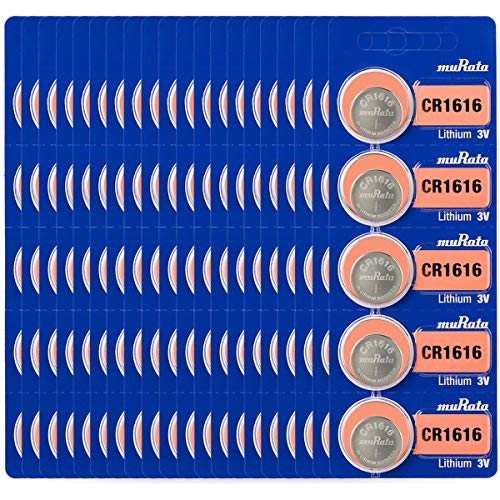
Dead batteries are a common occurrence, particularly in quartz models. Specialists are well-equipped to replace batteries while inspecting the contact points for corrosion, which may hinder performance. This routine maintenance extends the lifespan of the device.
Crystal Replacement and Repairs
Cracked or scratched crystals affect visibility and aesthetics. Experts can replace or polish the glass, ensuring it fits securely and maintains the timepiece’s value. They also consider the original specifications to match the replacement accurately.
Strap and bracelet issues, such as broken links or damaged fasteners, require expert handling to ensure a secure fit. A qualified technician can repair or replace these components, restoring comfort and usability.
Finally, strange noises or irregular movements indicate internal wear. A thorough inspection by a professional can reveal the underlying problems, allowing for necessary repairs to keep the mechanism operating smoothly.
DIY Wristwatch Repairs: When You Can Do It Yourself
Minor battery replacement is a straightforward task; many individuals can handle it with basic tools like a small screwdriver. Ensure to purchase the correct battery type for the specific model. Pay attention to the orientation while inserting the new battery to maintain functionality.
A simple band adjustment is another repair that can be managed at home. Often, metal bands have removable links. Utilize a link removal tool or a small hammer and a pin to carefully remove the desired link for a better fit.
Replacing a watch crystal is feasible for those comfortable with DIY projects. Purchase a compatible replacement crystal and use adhesive recommended for watches. Make sure to clean the area thoroughly before applying the new crystal for optimal adherence.
Water resistance testing may require professional equipment, but basic maintenance like ensuring seals are intact can be handled personally. Inspect gaskets for wear and replace them if necessary to maintain water resistance without needing a professional’s assistance.
For quartz timepieces, checking and cleaning the movement can often resolve ticking issues. Disassemble the casing carefully, remove dust and debris, and reassemble; be mindful of small springs and gears during the process.
If the timekeeping becomes erratic, a simple adjustment of the time settings may suffice. However, persistent inaccuracies often indicate a battery depletion or movement malfunction, suggesting the need for expert evaluation.
Always use caution and consult tutorials or guides specific to your model to avoid damage. Some repairs may require significant skills or tools not available to the average hobbyist, advising consultation with a professional in intricate cases.
Costs Associated with Professional Watch Repairs
Repair expenses for timepieces depend on several factors, including the type of service needed, brand, and expertise of the technician. Basic maintenance may range from $50 to $150, while complex repairs can escalate to $300 or more.
Factors Influencing Repair Prices
- Type of Service: Routine services (cleaning, oiling) are less costly compared to parts replacements or extensive damage fixes.
- Brand: Luxury brands typically impose higher service fees due to specialized parts and training required.
- Technician’s Experience: A seasoned professional may charge more, but expertise often guarantees a better outcome.
- Location: Services in metropolitan areas may reflect higher labor costs, affecting overall pricing.
Common Repair Costs
Here’s a breakdown of typical expenses for various repair types:
- Battery Replacement: $10 – $40
- Crystal Replacement: $30 – $100
- Band Replacement: $20 – $100
- Movement Repair: $100 – $300
- Water Resistance Testing: $15 – $50
- Complete Overhaul: $150 – $500
Always request a detailed estimate outlining labor costs, parts needed, and turnaround time to avoid unexpected charges. Investing in an experienced technician can prevent recurring issues and ensure longevity for your timepiece.
Maintaining Your Timepiece to Prevent Future Repairs
Regular cleaning is key to prolonging the life of your timepiece. Use a soft, lint-free cloth to wipe the case and crystal, removing dirt and oils that can cause damage over time.
Store your accessory in a designated box or pouch when not in use. This protects it from scratches and environmental factors like humidity or excessive heat.
Wind your manual timepiece regularly to keep the mechanism lubricated and functioning well. If equipped with an automatic movement, wearing it for several hours a day ensures it stays wound.
Consider periodic servicing every 3 to 5 years. This includes complete disassembly, cleaning, and lubrication of movement parts to maintain accurate timekeeping.
Avoid exposing your item to extreme temperatures and magnetic fields. These can adversely affect precision and may lead to costly repairs.
| Maintenance Task | Recommended Frequency |
|---|---|
| Cleaning | Monthly |
| Winding (Manual) | Every Day |
| Wearing (Automatic) | Daily |
| Professional Servicing | Every 3-5 Years |
By following these guidelines, you can maintain your timepiece effectively and minimize the likelihood of requiring professional service. Regular attention ensures longevity and pristine functionality.
FAQ:
Who is qualified to repair a wrist watch?
Repairing a wrist watch often requires a specialized skill set. Qualified individuals are usually watchmakers or watch technicians who have completed formal training in horology. These professionals understand the intricacies of various watch movements, whether mechanical or quartz. Additionally, many reputable jewelry stores or watch repair shops have certified staff trained to handle different brands and types of wrist watches. For complex issues, sending the watch to the brand’s service center is advisable to ensure it is handled by trained experts familiar with the specific model.
What should I consider before choosing someone to fix my wrist watch?
Before selecting a repair service for your wrist watch, consider a few key aspects. First, assess the technician’s qualifications and experience in handling your specific watch type. Look for reviews or testimonials from previous customers to gauge their reliability. It’s wise to inquire about the warranty or guarantee on repairs, as this reflects the confidence the technician has in their work. Additionally, consider the cost of repairs compared to the watch’s value; sometimes, it may be more economical to replace a watch rather than invest in extensive repairs. If your watch is a luxury item or has sentimental value, you may want to choose a service authorized by the brand to preserve its integrity.