
 Ethan Cole

The credit for the creation of the portable timekeeper worn on the wrist goes to Abraham-Louis Breguet, a distinguished 18th-century watchmaker from Switzerland. Breguet’s innovation laid the foundation for what we now recognize as a fashionable accessory as well as a practical tool for time management.
Throughout the 19th century, the trend evolved, gathering momentum during the World Wars. Military personnel favored this design, as it allowed for hands-free functionality while maintaining accuracy. This practicality catalyzed the adoption of these timepieces among civilians.
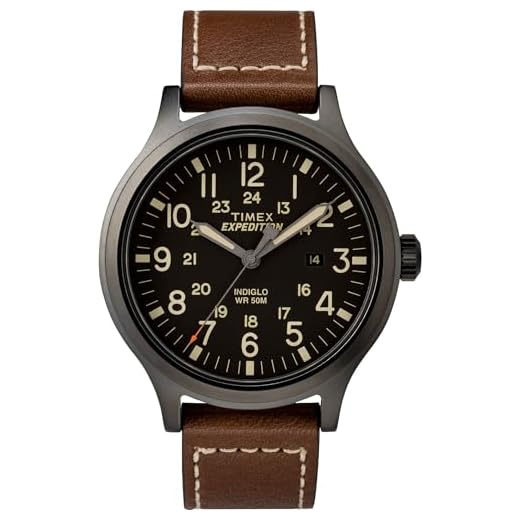
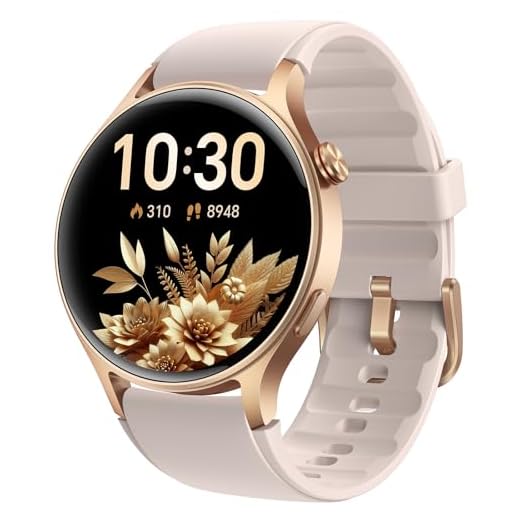
Craftsmanship and design flourished in the following decades, with renowned brands like Rolex and Patek Philippe elevating the status of portable timepieces. As a result, these creations transcended mere utility, becoming symbols of style and social status.
Timepiece Development and Historical Insights
In the mid-19th century, the concept of a portable timekeeping device on the wrist emerged. This innovation can be traced back to the efforts of a notable watchmaker, who, in 1868, created a piece specifically designed for a countess. This marked a significant transition from traditional pocket mechanisms to a more practical and accessible format.
By the early 20th century, the practicality of these time devices gained popularity, especially among military personnel during World War I. The need for hands-free timekeeping during combat highlighted the advantages of wearing a timepiece on the wrist.
Key Figures in Timepiece Evolution
- Abraham-Louis Breguet: Known for advancing watch technology.
- Louis Cartier: Played a significant role in the stylish design of wrist arrangements.
- Watches became symbols of status and elegance, combining utility with fashion.
Modern Transformations
With advancements in technology, contemporary models have introduced a plethora of functionalities, including smart features that blend utility with modern design. This evolution reflects the diverse needs of users, ranging from casual wearers to professionals seeking multifunctional tools.
History of the Wrist Watch Development
The evolution of the timepiece on the wrist showcases a fascinating journey marked by technological advancements and changing consumer preferences. Initial designs trace back to the 16th century, when timepieces were typically carried in pockets. The transition began in the 19th century, with the advent of smaller, portable mechanisms.
19th Century Innovations
By the late 1800s, notable manufacturers experimented with designs that could be worn on the body, leading to the emergence of the first proper models. In 1868, a Swiss watchmaker produced a prototype combining fashion with practicality–this marked a pivotal shift toward personal timekeeping tools.
20th Century Popularization
The 20th century transformed the landscape with military influences during World War I, when practicality took precedence. Soldiers required reliable timepieces that did not hinder movement, leading to increased demand. Post-war, this practicality merged with style, solidifying the accessory’s status across various demographics.
The introduction of quartz technology in the 1970s further disrupted traditional craftsmanship, presenting affordable and accurate alternatives that appealed to a broader audience. As a result, wrist adornments became not just functional but also a staple of personal expression.
Key Figures in Wrist Watch Invention
The transition from pocket timepieces to portable timekeeping devices was pivotal, influenced significantly by notable individuals. One of the earliest advocates for a smaller timekeeping method was Abraham-Louis Breguet, known for his technical innovations in the late 18th century. His designs set the stage for personalized horology.
Further advancements occurred with the contributions of Patek Philippe, who in the mid-19th century, catered to affluent clients with their intricate designs, popularizing these portable timepieces among the elite.
In the 20th century, the innovative spirit continued with brands like Longines and Rolex, who played crucial roles in elevating functionality and style. The development of reliable quartz movements by Seiko in the 1970s transformed the industry, making precision accessible to the masses.
The introduction of unisex styles and diversity in design from various manufacturers post-1980s showcased the transformation of this accessory into a statement piece, reshaping its image across different cultures.
These figures and their contributions not only advanced technology in timekeeping but also influenced fashion, transforming a practical tool into a timeless accessory that reflects personal style and status.
First Mass-Produced Timepieces
The introduction of mass production in timekeeping led to the creation of timepieces worn on the wrist that were accessible to a broader audience. In the late 19th century, companies began producing affordable models, making them a staple in everyday life.
In 1868, a significant development occurred when Patek Philippe, a prestigious Swiss manufacturer, crafted the first known mass-produced wrist timekeeper. This model was aimed at a female clientele, showcasing elegant designs and intricate craftsmanship.
Key Developments in Mass-Production
By the early 20th century, companies like Longines and Hamilton revolutionized the industry further. Longines introduced a series of timepieces that combined functionality with style, appealing to both men and women. Meanwhile, Hamilton focused on crafting reliable models for American servicemen during World War I, elevating the status and popularity of wrist styles significantly.
Impact on Popular Culture
The mass production of these devices not only changed how individuals perceived timekeeping but also influenced fashion and lifestyle. The practicality and convenience of having time readily available on the wrist meant that these devices became symbols of modernity. As a result, they began to reflect personal style, and many designs became iconic in their own right.
Technological Innovations in Wrist Watch Design
Modern advancements within the realm of personal timepieces focus on integrating smart technology. Features such as fitness tracking, GPS navigation, and communication capabilities are now standard. Brands have begun incorporating sensors that monitor health metrics like heart rate, sleep patterns, and activity levels, appealing to health-conscious consumers.
Solar-powered mechanisms have gained traction, utilizing light to charge batteries, thus extending service life and reducing environmental impact. This sustainability factor resonates well with eco-friendly buyers. Additionally, materials have evolved; ceramics, titanium, and sapphire crystal offer increased durability and scratch resistance, enhancing overall longevity.
3D printing technology is changing production methods, allowing for customization and rapid prototyping. This enables designers to create intricate designs and personalized pieces efficiently, thereby catering to niche markets. Furthermore, advancements in Bluetooth connectivity facilitate seamless integration with smartphones, leading to a rise in multifunctional devices.
Efforts in design ergonomics ensure comfort, with adjustable straps and lightweight designs contributing to wearability throughout daily activities. User interface innovations have refined interaction with touchscreens and haptic feedback, making these modern devices more intuitive.
A focus on aesthetics has led to collaborations between fashion designers and technical engineers, resulting in pieces that are as much a style statement as they are functional tools. This blending of artistry and technology illustrates the evolution of these timekeeping devices into essential lifestyle accessories.
Impact of World Wars on Timepiece Popularity
Both global conflicts significantly transformed interest and demand for portable timepieces, shifting perceptions and enhancing their functionality. Initial military use during World War I popularized the item as a practical instrument, favored by soldiers for its convenience over traditional pocket devices.
Military Influence
During the Great War, the need for precision timing for operations led to widespread adoption of these devices among armed forces. This trend continued into World War II, where advancements in technology improved durability and water resistance, appealing to both military personnel and civilians post-war.
Post-War Boom
The conclusion of hostilities sparked a surge in consumer demand. Returning soldiers brought back their saved timepieces, and the industry capitalized on this newfound interest through innovative designs. Marketing strategies emphasized ruggedness and reliability, traits valued during tumultuous times. The expansion of leisure activities in the mid-20th century further integrated these instruments into daily life.
| Decade | Impact |
|---|---|
| 1910s | Military adoption spurred by trench warfare |
| 1940s | Technological advancements influenced battle instruments |
| 1950s | Post-war consumer demand led to a boom in production |
| 1960s | Integration into fashion and lifestyle choices |
Thus, both conflicts played a pivotal role in propelling forward the evolution and popular appeal of compact timekeeping devices, transforming them from mere accessories into essential daily tools embraced by all. Through military necessity and subsequent civilian adoption, these timepieces secured their status in society, achieving unprecedented levels of popularity.
Modern Timepieces and Their Evolution
Modern timepieces have evolved significantly since their inception, showcasing a blend of artistry and technological prowess. The transition from classical designs to contemporary creations reflects advancements in engineering and materials.
Materials and Design Innovations
Today’s models utilize high-performance materials such as ceramics, titanium, and advanced alloys, enhancing durability and aesthetic appeal. The application of sapphire crystals not only improves scratch resistance but also adds a touch of luxury. Additionally, minimalist designs have gained popularity, emphasizing clean lines and functionality.
Smart Technology Integration
In recent years, the integration of smart technology has transformed traditional concepts. Features such as fitness tracking, notifications, and customizable watch faces have become standard in many models. Bluetooth connectivity allows seamless interaction with smartphones, bridging the gap between practicality and style.
The evolution of timepieces also includes sustainability efforts, with some manufacturers opting for eco-friendly materials and manufacturing processes. This commitment to the environment caters to a growing consumer base that values ethical considerations alongside functionality.
As technology continues to progress, the future of these instruments promises even more remarkable innovations, blending heritage with modern needs.
FAQ:
Who is credited with inventing the wristwatch?
The invention of the wristwatch is often attributed to Patek Philippe, a Swiss watchmaker. In 1868, they created a watch for the Countess Koscowicz of Hungary, which is considered to be the first wristwatch. Its design combined elegance with practicality, making it a significant milestone in horological history.
What were the early uses of wristwatches?
Initially, wristwatches were primarily worn by women and were considered jewelry rather than practical timekeeping devices. The military later adopted them during World War I for functionality, as soldiers found pocket watches cumbersome to use in the field. This helped popularize wristwatches among men, turning them into essential accessories.
How did the invention of the wristwatch change the way people kept time?
The introduction of the wristwatch significantly transformed timekeeping practices. Unlike pocket watches, which required users to pause and take them out to check the time, wristwatches allowed for quick and easy access to time. This convenience led to a greater emphasis on punctuality and time management in daily life, particularly in professional settings.
What advancements have occurred in wristwatch technology since its invention?
Since the invention of the wristwatch, technology has advanced substantially. Early mechanical watches transitioned to quartz movements in the late 20th century, leading to greater accuracy and lower production costs. More recently, smartwatch technology has emerged, integrating features such as fitness tracking and mobile notifications. This evolution reflects changing consumer needs and the integration of technology into everyday life.


