
 Ethan Cole

The craftsmanship of renowned timepieces is mastered by skilled artisans and innovative engineers. The company, founded in 1881, has established a remarkable reputation for manufacturing precision instruments through a blend of tradition and cutting-edge technology. Each piece reflects meticulous attention to detail and an unwavering commitment to quality.
Its facilities in Japan, particularly in Shizukuishi, are where much of the magic happens. This location houses state-of-the-art machinery and employs craftsmen who have honed their skills over decades. From quartz movements to mechanical timepieces, each creation undergoes rigorous quality checks to ensure reliability and durability.
The combination of Japanese precision and traditional craftsmanship ensures that every model stands out in functionality and design. Those interested in acquiring one of these timepieces should consider exploring the various series available, as each model showcases unique features that appeal to different tastes and preferences.
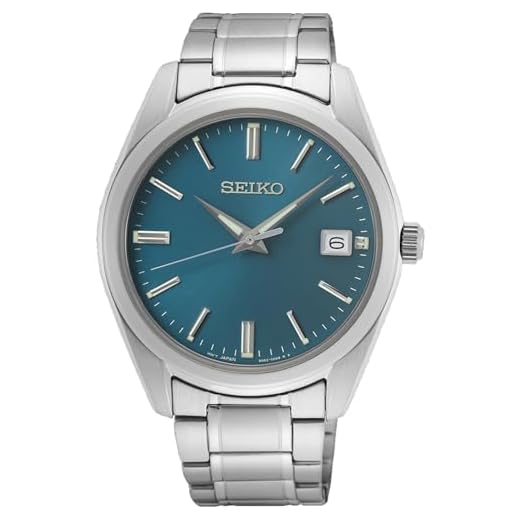

Understanding the Creators of Seiko Timepieces
The crafting of Seiko timepieces is conducted by the Seiko Group Corporation, an established entity with a rich heritage dating back to 1881. This Japanese conglomerate encompasses several subsidiaries that specialize in various aspects of horology.
Key Subsidiaries Involved
- Seiko Instruments Inc. – Focuses on mechanical movements and quartz technology.
- Seiko Epson Corporation – Known for the production of high-precision movement components.
- Seiko Watch Corporation – Responsible for the final assembly and marketing of timepieces.
Quality and Innovation
Dedicated to precision, the manufacturers utilize advanced technology alongside traditional craftsmanship. Their innovation is evident in the introduction of the Spring Drive and Kinetic movement systems, showcasing a blend of mechanical and quartz technologies.
For optimal shopping experiences, consider exploring authorized retailers to ensure authenticity and gain access to the latest collections and limited editions.
The History Behind Seiko Watch Manufacturing
The roots of this renowned brand trace back to 1881, when Kintaro Hattori established a shop in Tokyo for repairing and selling timepieces. In 1892, Hattori launched his first factory, marking the beginning of a long legacy of innovation and craftsmanship.
By the 20th century, the brand had firmly established itself in the industry, introducing its first pocket chronometer in 1913. The transition to wristwatches came swiftly, with the introduction of the Laurel model in 1914, which showcased Japan’s burgeoning watchmaking capabilities.
The post-war years saw a significant technological leap with the debut of their automatic movements in the 1950s. This innovation paved the way for wider acceptance of self-winding mechanisms. By the 1960s, the introduction of quartz technology transformed the market, leading to the launch of the Astron in 1969, recognized as the world’s first quartz watch, which further solidified the brand’s reputation.
The 1970s brought challenges due to the quartz crisis, yet the company adapted by focusing on both mechanical and quartz technologies. The development of kinetic movements in the 1980s merged the benefits of both systems, showcasing their commitment to advancement.
The new millennium ushered in sophisticated designs and refined craftsmanship, as the brand diversified its lineup to cater to various preferences. Special collections, such as the Grand Seiko, highlighted meticulous attention to detail and artistry, elevating it to the status of a luxury timepiece.
Today, the company stands as a symbol of reliability and precision. Its ongoing pursuit of innovation ensures its place among the elite in horology, maintaining a rich heritage while embracing modern technology.
Key Designers and Engineers at Seiko
Key figures behind the innovation and craftsmanship in this renowned brand include a combination of legendary designers and engineers who have significantly influenced the timepiece industry.
| Name | Role | Notable Contributions |
|---|---|---|
| Masahiro Katsumata | Chief Designer | Redefined aesthetics with the creation of the spring drive mechanism, merging traditional mechanical and quartz technologies. |
| Takashi Katsuura | Watchmaker | Instrumental in crafting the first automatic chronograph, revolutionizing the way enthusiasts perceive performance and precision. |
| Yoshikazu Akahane | Technician | Focused on durable materials and innovative movements, contributing to the resilience of sports models. |
| Hajime Asaoka | Independent Designer | Collaborated on luxury pieces, blending modern artistry with traditional timekeeping techniques. |
| Akimasa Takosizuki | Mechanical Engineer | Advanced the development of kinetic technology, integrating energy efficiency into the brand’s timekeepers. |
Each individual has played a vital role in shaping the identity and the legacy of this distinguished label, ensuring that every piece embodies precision, quality, and artistry.
How Seiko Maintains Quality Control in Production
Continuous improvement of processes is central to the manufacturing philosophy of this esteemed Japanese brand. Quality control measures play a pivotal role at every production stage, ensuring excellence in each timepiece.
Multi-Stage Inspection
A rigorous inspection process is implemented throughout the entire manufacturing pipeline. Key stages include:
- Incoming Material Verification: Raw materials undergo thorough testing to confirm compliance with specified standards.
- In-Process Checks: Several quality checkpoints at different manufacturing phases help in identifying defects early, minimizing rework.
- Final Quality Assessment: Once assembled, each item is meticulously examined for precision, durability, and aesthetic appeal.
Advanced Technology Integration
Utilization of cutting-edge technology enhances precision and efficiency in the production process. Notable methods include:
- Automated Machinery: High accuracy is achieved through the use of CNC machines, optimizing component fabrication.
- Laser Technology: Employed for engraving and marking, ensuring consistency across all products.
- Data Analytics: Collection and analysis of production data allow for real-time adjustments to maintain quality standards.
Active feedback loops between design and manufacturing teams promote immediate refinements, further elevating product integrity. This systematic approach ensures that each timepiece embodies the brand’s dedication to quality and craftsmanship. Through rigorous control measures and innovative techniques, the manufacturer successfully delivers reliable horological instruments that stand the test of time.
Overview of Seiko’s Manufacturing Facilities
Seiko operates several production centers across Japan, each specializing in different aspects of horology. The most notable facility is located in the Shizukuishi region, dedicated to crafting high-end mechanical timepieces. This site features advanced technology that combines both traditional craftsmanship and modern manufacturing techniques.
The Suwa Factory is renowned for its quartz movements, producing a significant percentage of the company’s timepieces. This facility employs rigorous quality assurance processes to ensure precision and reliability in every model.
In addition to these, the Daini Factory focuses on the production of automatic movements, utilizing skilled artisans and cutting-edge machinery to maintain superior quality standards. Each plant operates with a commitment to excellence and innovation, contributing to the brand’s esteemed reputation.
Furthermore, Seiko’s facilities emphasize sustainability. Initiatives to reduce environmental impact are implemented across all production sites, aiming for energy efficiency and responsible sourcing of materials.
The company’s network of manufacturing plants and its dedication to quality control enable it to maintain a competitive edge while offering a diverse range of products tailored to various consumer preferences.
The Role of Innovation in Seiko Watchmaking
Innovation drives the heart of Seiko’s craftsmanship. Advanced technologies such as Kinetic and Spring Drive exemplify this commitment. Kinetic technology unites mechanical movement with the precision of quartz, enhancing accuracy while ensuring long-lasting performance.
Spring Drive represents a breakthrough, merging traditional mechanical engineering with electronic regulation. This hybrid mechanism achieves unparalleled accuracy by utilizing a mainspring and a quartz oscillator. By fusing these methodologies, Seiko sets new standards in reliability.
The introduction of solar-powered mechanisms highlights the brand’s dedication to sustainability and energy efficiency. These models utilize various light sources, converting them into energy, thereby eliminating the need for battery replacements.
Additionally, Seiko focuses on materials innovation, utilizing proprietary compounds such as Super Titanium and Zaratsu</strong polishing. Super Titanium offers remarkable durability, while Zaratsu techniques enhance surface aesthetics, creating watches resistant to scratches.
Development of smart technology is on the horizon as well. Leveraging data analytics and connectivity, Seiko explores how smart features can integrate seamlessly without compromising traditional design elements.
Continuous improvement in production techniques, like robotic automation and 3D printing, streamlines operations, enhancing precision while minimizing waste. This integration ensures every timepiece adheres to the brand’s high standards.
Through these innovations, Seiko continues to redefine craftsmanship and set benchmarks within the horological community, all while maintaining a clear focus on quality and reliability.
Understanding the Workforce and Craftsmanship
The precision and reliability of these timepieces stem from a dedicated workforce that combines traditional craftsmanship with modern technology. Skilled artisans play a pivotal role in ensuring the mechanical and aesthetic excellence of each product. Training programs are essential; these enable novice workers to hone their skills under the guidance of veterans, preserving intricate watchmaking traditions.
Skilled Labor and Training Initiatives
Each artisan undergoes rigorous training that focuses on attention to detail, precision engineering, and assembly techniques. The company invests significantly in internal workshops where employees refine their skills, learning to assemble movements, calibrate mechanisms, and apply finishing techniques. This commitment to development ensures a continuous supply of expertise necessary for crafting high-quality pieces.
The Art of Craftsmanship
Artisans employ advanced technologies while honoring traditional techniques. Hand-finishing and manual assembly remain cornerstones of the production process, allowing for meticulous quality assurance. Innovations like robotics are integrated selectively to enhance precision without compromising the artisanal touch. This balance between technique and artistry defines the production ethos, creating timepieces that resonate with both tradition and modernity.


