
 Ethan Cole

Positioning a timekeeper on the inner forearm serves multiple practical purposes. This orientation enhances readability, allowing for a clear view of the dial without the need to rotate the hand. Additionally, it offers protection from scratches and impacts, as the inner area is less exposed than the outer side.
Another significant factor involves comfort. For those engaged in physical activities or wearing long sleeves, securing the device on the inside minimizes disruptions. This placement is often preferred by athletes, ensuring that the accessory remains unobtrusive during movement.
Finally, aesthetic appeal plays a role in this choice. Wearing a timepiece inward presents a stylish statement, showcasing personal flair while keeping the device functional. This unique method commands attention and often sparks conversations about horology.
The Trend of Reverse Watch Positioning
Opting for placement on the inner side of the forearm offers several advantages. This method not only enhances comfort but also provides added protection, helping to prevent scratches and general wear. Moreover, it facilitates easier visibility of the time during certain activities, particularly when the hand is raised.

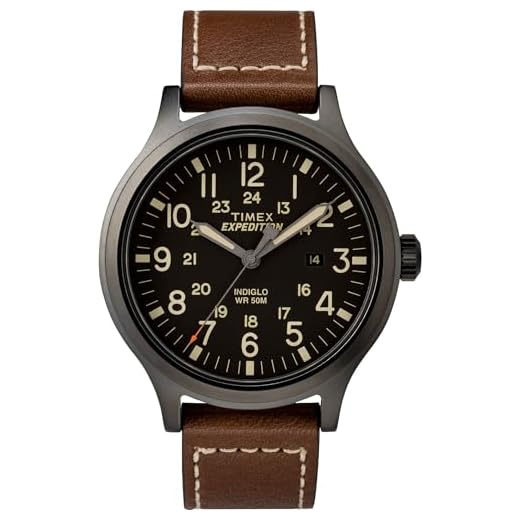
Practical Benefits
- Reduces exposure to potential damage from impacts and everyday activities.
- Offers a discreet way to check the time without drawing attention.
- Can prevent the watch from getting caught on clothing or other objects.
Fashion Statement
Presenting timepieces in this unconventional manner may also serve as a unique fashion statement, standing out in a crowd of traditional placements. This trend resonates particularly with individuals who prioritize personalization and distinctiveness in their accessories.
- Creates an opportunity for self-expression through unconventional styling.
- Mixes classic designs with modern sensibilities.
Choosing to position timekeeping devices in this way might reflect a commitment to innovation and trendsetting, effectively making a personal style statement while enjoying functional benefits.
Practical Benefits of Wearing a Timepiece Under the Wrist
Securing a timekeeping device on the inner side of the arm enhances accessibility. Glancing at it becomes discreet and convenient, providing quick insights without drawing attention.
Protection against scratches is improved by this positioning. With the delicate surface facing inward, it minimizes exposure to harsh elements, ensuring longevity and preserving aesthetics.
This orientation significantly increases comfort. When engaging in activities such as typing or sports, the device remains unobtrusive, allowing for fluid movement without interference.
Moreover, this placement can enhance security. Concealing the instrument makes it less noticeable to potential thieves, providing peace of mind in crowded environments.
For certain professions, such as healthcare or hospitality, practical visibility can be an advantage. Checking time becomes efficient while maintaining a professional demeanor and avoiding distractions.
The inner arm application can also reflect personal style in a unique way. It allows for a blend of practicality and fashion, catering to individual tastes whilst serving its primary function.
When to Choose Under-the-Wrist Positioning
Opt for this positioning during activities requiring agility or precision, such as sports or manual labor. It minimizes the risk of damage to the timepiece while ensuring unobstructed movement.
Consider wearing in environments where professional attire is prevalent. This arrangement complements a formal look, allowing a subtle statement without drawing excessive attention.
For individuals practicing martial arts or engaging in physical training, this approach prevents the risk of snagging or interference, thus enhancing performance.
In scenarios with high-security protocols or during covert operations, concealing the accessory can prove advantageous. It offers discreet access while retaining functionality.
During travel, especially in cramped spaces like airplanes or trains, the compact positioning allows ease of movement, making it less likely to be caught on items or people.
Lastly, personal preference plays a significant role; some may find comfort in this method, leading to an enjoyable wearing experience. Tailor the choice based on specific needs and lifestyle for optimal satisfaction.
How Under-the-Wrist Placement Affects Style
Adopting a reverse placement for timepieces can elevate personal aesthetics significantly. This approach shifts focus, allowing for unique visual statements that challenge traditional conventions.
Subtlety in Design
Positioning the timepiece beneath the arm creates an understated allure. This style choice often communicates sophistication and an avant-garde mindset, appealing to fashion-forward individuals who appreciate subtlety over ostentation.
Layering and Accessories
Integrating this method enhances layering possibilities. The bracelet or band adds depth to styling, complementing other accessories without overwhelming the overall look. Coordinating colors and materials between the timepiece and additional jewelry creates harmony, offering a refined appearance that integrates effortlessly into various outfits.
Popular Brands and Models for Under-the-Wrist Wearing
Consider options from the following reputable manufacturers that have gained traction for their styles suited to reverse positioning:
| Brand | Model | Key Features |
|---|---|---|
| Casio | G-Shock GD-X6900 | Durable, shock-resistant, digital display with customizable settings |
| Seiko | Prospex Diver’s 200m | Classic design, water-resistant, luminous hands for visibility |
| Tudor | Black Bay Fifty-Eight | Vintage aesthetic, automatic movement, elegant yet robust |
| Apple | Apple Watch Series 8 | Smart functions, customizable bands, health tracking features |
| Rolex | Submariner | Iconic style, high precision, water-resistant up to 300m |
These selections embody the essence of practicality and style, making them ideal for those who prefer a unique positioning method. From casual to luxury, each brand offers models that blend functionality with aesthetic appeal. Carefully evaluating features can aid in making an informed decision aligned with personal preferences.
FAQ:
Why do people choose to wear their wrist watches under the wrist instead of over it?
Wearing a wrist watch under the wrist can be attributed to both practical and aesthetic reasons. Practically, this style can offer improved protection for the watch face, preventing scratches and damage when the arm is in motion or while performing activities. Additionally, some individuals find this method of wearing a watch more comfortable, as it reduces the chances of the watch snagging on clothing or objects. Aesthetically, wearing a watch under the wrist can create a more understated and sleek look, which can be appealing to those who prefer a minimalist style. Ultimately, the choice varies based on personal preference and lifestyle.
Are there specific types of watches that are more commonly worn under the wrist?
Certain styles of watches lend themselves better to being worn under the wrist. For example, sports watches and fitness trackers, which are designed for active lifestyles, are often worn this way to keep them secure and protected. On the other hand, luxury watches might also be worn under the wrist to maintain a more subtle appearance, especially in social settings where a more refined style is desired. The comfort and fit of the watch are also key; watches with smaller faces are generally easier to wear under the wrist compared to bulkier models.
How does cultural perception influence whether people wear watches under or over their wrists?
Cultural perceptions can significantly impact fashion choices, including how one wears a watch. In some cultures, wearing a watch under the wrist may be seen as a sign of practicality and functionality, perhaps reflecting a more casual or laid-back attitude toward apparel. In contrast, environments that favor traditional styles may prefer the classic over-the-wrist approach, associating it with professionalism or formality. Social media and celebrity trends can also play a role in how watches are worn, with influencers sometimes showcasing unique ways to style wrist accessories. These cultural factors contribute to individual choices and can shift over time as trends emerge.


