
 Ethan Cole

Timepieces became an accessory for daily life primarily due to the practicality they offer. The transition from pocket watches to worn timekeeping devices in the late 19th century allowed individuals to access the time with greater ease, eliminating the inconvenience of rummaging through pockets. This shift marked a pivotal moment in personal time management, blending functionality with style.
The emergence of timekeeping instruments on the arm not only focused on utility but also reflected societal changes. As industries grew and schedules became more rigid, individuals required a reliable means to monitor their day. The convenience and accessibility of these devices played a significant role in cultivating a culture that values punctuality and productivity.
Moreover, the incorporation of timepieces into fashion statements elevated their status beyond mere tools. Designers recognized the potential for creativity within this space, leading to diverse styles that cater to personal tastes while remaining functional. This fusion of practicality and aesthetics solidified the place of these accessories in everyday life, making them indispensable.
Evolution of Timepieces on the Wrist
Adoption of timekeeping devices on the wrist emerged as a practical solution for convenience. Initially a tool for military personnel, these accessories allowed quick access to the time without the need to pull out pocket models. The transition catalyzed during the late 19th century when soldiers in the Boer War recognized their utility on the battlefield.


The onset of the 20th century marked a shift in perception; these devices transformed from mere instruments of time measurement to fashionable statements. Designers began incorporating innovative styles and materials, merging utility with aesthetics. By the 1920s, commercial brands launched distinctive models, appealing to diverse consumer bases.
Incorporation of advances in technology led to the introduction of quartz mechanisms in the 1970s. This breakthrough revolutionized timekeeping, making these accessories more accurate and affordable, thereby increasing their popularity among the general populace.
Subsequent decades saw an expansion in variety–from minimalist designs to luxurious options–catering to varied preferences and lifestyles. This ongoing evolution continues to attract new generations, ensuring that these timepieces remain a staple accessory, combining tradition with modernity in their appeal.
Historical Origins of Wrist Watches
The shift towards wrist-mounted timepieces traces back to the late 19th century, primarily among women. Decorative bracelets that incorporated small clocks became fashionable accessories. Their design evolved, blending aesthetics with practicality.
In 1868, Swiss watchmaker Patek Philippe crafted the first known wristwatch for Countess Koscowicz of Hungary. This early piece paved the way for widespread acceptability among the elite. By the early 20th century, military influence played a significant role. Soldiers required reliable timekeepers that could be easily accessed without halting their operations.
During World War I, the necessity of accurate timing in combat fueled the transition to these portable devices. Trench warfare revealed the limitations of pocket timepieces. Soldiers found that having time on their wrists improved coordination and efficiency.
The post-war era saw a surge in popularity, leading to various styles and functionalities. Timepieces became symbols of status and craftsmanship. The introduction of quartz technology in the 1970s transformed the industry, making precision and affordability accessible to a broader audience.
- 1868: First wristwatch crafted by Patek Philippe.
- World War I: Military necessity drives adoption.
- Post-war: Rise in fashion and functionality.
- 1970s: Quartz technology revolutionizes production.
By the 20th century’s close, wrist timekeepers became ubiquitous, merging innovation with personal expression. As styles diversified, their integration into daily life solidified, transcending mere utility.
Transition from Pocket Timepieces to Arm Watches
The shift from pocket timepieces to arm ornaments occurred primarily due to practicality and convenience. As lifestyles evolved, especially during the late 19th and early 20th centuries, the need for accessible timekeeping became paramount. Pocket timepieces had limitations; they required users to retrieve them from their pockets, often cumbersome during active moments.
Practicality and Military Influence
Military personnel played a substantial role in this evolution. Soldiers benefited significantly from having time readily available without needing to pause their tasks. The adoption of this style during wartime led to innovations in design, making such devices more durable and suitable for various conditions. By World War I, service members widely recognized the advantages of strapping time-measuring instruments to their wrists.
Fashion Trends and Cultural Shift
Fashion also propelled the shift. As society moved into the 1920s and 1930s, timepieces morphed into a fashion statement. Manufacturers embraced new materials and designs that appealed to broader audiences. The blend of functionality with aesthetics established a distinct category separate from traditional timekeeping devices.
| Year | Event | Impact |
|---|---|---|
| 1868 | First wristwatch created for Countess Koscowicz | Set the groundwork for similar designs aimed at women. |
| 1910s | Military adoption increases | Normalizes and popularizes arm-worn timepieces. |
| 1920s | Fashion trends embrace the wrist design | Transforms into a status symbol beyond function. |
This period marks a definitive transition, where utility and aesthetics coalesced, paving the way for the diverse array of arm timekeepers available today.
The Impact of Military Influence on Watch Popularity
The adoption of timepieces by military personnel played a pivotal role in increasing their appeal among the general public. Accurate timekeeping became crucial on the battlefield, where coordinated movements and precise timing were essential for strategy and communication.
During World War I, soldiers transitioned from pocket devices to strapped timepieces, allowing hands-free operation. This shift facilitated easier access to time while engaging in various tasks, enhancing overall efficiency. The practicality of these instruments caught the attention of civilian consumers post-war. Initial models designed for military use often featured robust designs, water resistance, and luminous dials, attributes that appealed to a broader audience seeking durability and functionality.
Standardization and Design Shifts
The military’s push for standardized equipment encouraged manufacturers to produce timepieces that conformed to specific requirements, fostering innovation. The creation of pilot and dive models drew inspiration from military designs and became iconic in the consumer market. These styles not only catered to adventure enthusiasts but also symbolized a rugged, adventurous lifestyle, further solidifying their status.
Trade and Prestige
Post-conflict, many veterans continued to wear their military-styled pieces, inadvertently promoting them as fashion statements. The connection between service and timekeeping led to a perception of sophistication and strength. Many civilians sought to emulate this utilitarian aesthetic, leading brands to market their products with military attributes and history. As a result, the influence of armed forces has left an indelible mark on the culture of timepieces, transforming them into symbols of reliability and resilience.
Cultural Shifts and Fashion Trends in Timekeeping
The transition of timekeeping devices from pockets to wrists reflects significant cultural changes and evolving fashion trends. In the early 20th century, the appeal of wrist instruments shifted, becoming a symbol of modernity and social status. Initially considered a women’s accessory, innovations in design and technology quickly attracted male consumers who desired practical yet stylish solutions.
During the 1920s and 1930s, the Art Deco movement influenced the aesthetic of horology, leading to designs that combined artistry with functionality. The introduction of this elegance into everyday accessories encouraged acceptance across various social classes. As a result, brands began catering to different markets, offering timepieces that fit into diverse lifestyles.
The military’s involvement during the first and second World Wars further popularized these timepieces among men, fusing practicality with rugged design. Servicemen needed reliable timekeeping under extreme conditions, which subsequently influenced civilian styles. Post-war, this practicality became intertwined with trendsetting designs, impacting the fashion industry significantly.
The quartz revolution in the 1970s transformed the market once again. Japanese manufacturers introduced affordable, precise options, prompting traditional Swiss brands to adapt their approaches. This democratization of horology shifted consumer perceptions, allowing even those with modest means to participate in fashionable timekeeping.
In contemporary culture, smart technology has redefined preferences toward multifunctional accessories. However, luxury brands continue to thrive by emphasizing craftsmanship and tradition. The blend of modern tech with artisanal techniques highlights an ongoing dialogue in fashion, illustrating a persistent desire for personal expression through timekeeping.
The Role of Technological Advancements in Watch Design
The integration of new technologies has significantly transformed timepiece design over the years, enhancing both functionality and aesthetics. Innovations in materials, such as the introduction of lightweight composites and durable ceramics, are now commonplace, allowing for more comfortable and resilient timepieces.
Quartz movements revolutionized accuracy in the 20th century, leading to smaller, more reliable mechanisms that reduced the size of casing. This advancement enabled manufacturers to create sleek designs without compromising timekeeping precision. The move from mechanical to quartz also made it feasible to produce affordable options for a broader audience.
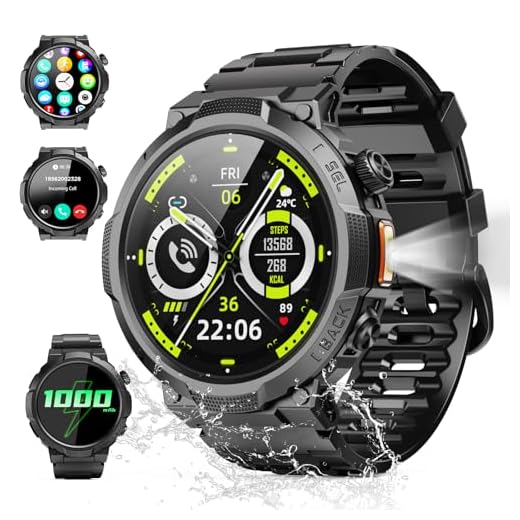
Smart technology has further altered the landscape, blending traditional horology with digital capabilities. Features such as fitness tracking, notifications, and GPS functionality have expanded the versatility of these accessories, appealing to a tech-savvy demographic.
Manufacturers now frequently incorporate sustainable practices into their production, like using recycled materials and eco-friendly manufacturing methods. This focus not only meets the rising consumer demand for environmentally conscious products but also enhances brand reputation.
Customization has become increasingly accessible through advanced printing techniques and modular designs. Consumers can now tailor their timepieces to reflect personal style, increasing engagement and satisfaction.
Collectively, these technological strides shape the current market, pushing boundaries and redefining what timepieces can represent in modern society.
Modern Significance of Wearing Timepieces Today
Adopting timepieces transcends mere functionality; it reflects personal style, status, and attention to detail. Selecting a quality instrument enhances daily attire while serving as a conversation starter. Consider pairing a classic design with formal wear or a sporty model with casual outfits for a cohesive look.
Time instruments now symbolize craftsmanship and legacy, often handed down through generations. Investing in a luxury model can express individuality and appreciation for high-quality artifice, showcasing a refined taste.
The integration of smart technology into conventional models allows users to access notifications, track fitness, and manage schedules seamlessly. This modern fusion caters to tech-savvy individuals while retaining the elegance associated with traditional design.
In professional settings, owning a well-crafted timepiece can enhance credibility, signaling preparedness and punctuality. Selecting a model that aligns with career aspirations can influence perceptions and foster a positive image.
Finally, the emotional connection individuals have with their timepieces elevates them beyond mere accessories. Celebrating milestones and achievements with a unique design creates lasting memories, cementing the sentimental value often associated with these instruments.



