
 Ethan Cole
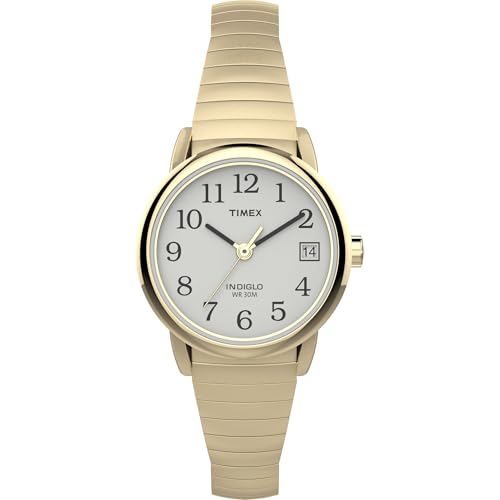
Opting for a placement on the non-dominant side can enhance comfort during daily activities. This choice often reduces interference with tasks such as writing or using tools. For those who utilize their dominant side for most actions, a timekeeping instrument on the opposite side provides unobtrusive access while minimizing movement distractions.
Cultural influences and personal habits also contribute to this trend. In certain regions, sporting a timepiece on the left is a common practice, while others lean towards the right. Observing the general preferences in social circles can offer insights into this divergence.
Practical reasons play a significant role as well. For individuals who engage in specific occupations requiring the use of both hands, positioning the chronology device on the opposite limb allows for easier glancing without interrupting workflow. Consistently choosing this orientation can also help create a clear distinction between casual and formal dressing styles.


Understanding the Preference for Right-Hand Placement
Opting for placement on the dominant limb often stems from a need for quick access and usability. The right side is commonly favored by those who have a stronger right hand, allowing for easier adjustment and visibility. Moreover, this positioning may enhance comfort, reducing the risk of the timepiece interfering with frequent tasks.
Practical Reasons Behind the Choice
Many find that having timepieces on the right limb can minimize damage or scratches during activities such as typing or writing, providing a functional advantage. Additionally, a more relaxed wearing experience can be achieved, particularly for users who prefer loose fit or oversized models. This choice may also be influenced by cultural norms or personal aesthetics, adding an element of style to practicality.
Influences of Personal Habits
Certain lifestyles contribute to the decision to sport accessories on the right side. For instance, individuals engaged in professions requiring extensive use of the left hand may gravitate toward wearing timepieces on the right for optimal ease. Furthermore, preference can vary based on a person’s routine, making the right side an appealing option for functionality and ease of access.
Cultural Influences on Watch Placement
In various cultures, accessory positioning reflects social norms and values. For instance, in certain Eastern traditions, favoring the left arm symbolizes the connection to one’s heart, considered a sacred aspect. Meanwhile, Western practices may vary, with many opting for the opposite side, representing practicality and ease of access. Cultural backgrounds play a key role in shaping these preferences.
| Region | Typical Placement | Cultural Significance |
|---|---|---|
| Eastern Countries | Left Arm | Connection to heart, sacred associations |
| Western Countries | Right Arm | Practicality, ease of access |
| Latin America | Left Arm | Tradition and symbolism of luck |
| Middle Eastern Cultures | Right Arm | Honor and respect, sign of status |
Variations in craftsmanship also influence placement. High-end timepieces often receive careful consideration in how they are adorned during public appearances, while everyday styles are prioritized for function. Symbolic meanings attached to specific wrist positioning evolve based on generational trends, affecting decision-making regarding accessory choices.
Community perceptions shape choices, dictating whether the right or left side becomes more favorable in a given context. Popular figures and influencers can significantly sway public opinion on optimal positioning, leading to shifts in tradition and contemporary practices.
The Impact of Dominant Hand on Watch Orientation
Choosing the placement of a timepiece often correlates with the user’s dominant hand. Right-handed individuals frequently opt for the left wrist to avoid interference during daily tasks, allowing ease of access and minimizing potential damage.
Conversely, those with left-handed dominance may favor the right wrist. This configuration not only provides practicality but also becomes a style statement reflecting individuality.
Key factors influencing this orientation include:
- Comfort during activities: Right-handed individuals experience enhanced mobility with timepieces positioned on the left when engaging in various tasks.
- Visibility: A watch on the non-dominant wrist often remains unobstructed, facilitating quicker glances at the time without interruption.
- Reduced wear: Wearing a timepiece on the non-dominant side minimizes direct contact with surfaces, potentially extending its lifespan.
In cases where an individual employs a technique or tool that requires significant use of the dominant hand, prioritizing the alternative wrist reduces possible hindrances. Hence, such decisions reflect not just personal preference but functional necessity.
Ultimately, cultural norms may also play a role in this decision-making process. Many societies, while valuing aesthetics, simultaneously endorse practicality aligned with one’s dominant hand. This intersection emphasizes a balance between style and function.
Fashion Trends Favoring Right-Handed Timepieces
Fashion-forward individuals often gravitate towards accessories that not only complement outfits but also express personality. The inclination to sport time instruments on the right arm has surged with various styles that emphasize individuality and practicality. Designers are recognizing the significance of this placement, catering specifically to this growing trend.
Personal Style Statements
Choosing an accessory for the right wrist manifests a bold style statement. High-end brands and boutique designers have introduced exclusive collections that encourage wearing elegant pieces on the opposite arm. This trend aligns with the desire to stand out and make a statement through unique styling choices.
Functionality and Comfort
In addition to aesthetics, comfort plays a pivotal role. Many find that donning a piece on the right provides better usability, especially for left-handed individuals engaging in daily activities. This shift has prompted brands to innovate with designs that cater to specific needs, enhancing both style and practicality.
Functional Benefits of Wearing Watches on the Right Hand
Opting for timepieces on the right side can enhance daily utility and practicality. Consider the following points:
- Ease of Adjustment: Manipulating a timepiece for adjustments becomes simpler when positioned on the non-dominant side, allowing quick changes without disrupting activities.
- Protection from Damage: Utilizing the right arm often results in less interference during tasks, safeguarding the timepiece from scratches and impacts.
- Comfort for Left-Handed Users: Left-handed individuals benefit from wearing accessories on the right, as it minimizes the risk of catching or misaligning with other tools or devices.
- Ergonomics: Aligning the timepiece on the right can lead to a more natural arm position for tasks requiring precision, reducing strain on the wrist.
- Accessibility: For right-handed tasks, having the gadget on the right arm permits effortless glances during multitasking, maintaining productivity.
Enhanced Functionality in Daily Activities
During activities such as driving or typing, having a watch on the right allows for unobstructed movement, facilitating smooth transitions between tasks and minimizing distractions.
Incorporating Tech Features
With the rise of smart devices, wearing tech-integrated accessories on the right can improve access to features such as notifications, fitness tracking, or other functions while remaining unobtrusive during use.
Technological Advances and Right-Handed Wearers
Smart devices equipped with advanced features have shifted the way timepieces are utilized. For individuals favoring the dominant side, smart options allow seamless integration with smartphones, enhancing functionality.
Ergonomic Designs
Modern creations often incorporate ergonomic elements that cater to those who predominantly use the right side. This adjustment not only improves comfort but also optimizes accessibility to controls and notifications.
Customization Features
Increased customization options provide choices for strap sizes and configurations. Users can adapt these accessories for both style and practicality, ensuring a personalized fit that suits individual preferences while complementing the primary hand’s activities.
Advancements in wireless technologies facilitate easier interaction with surrounding devices. Features like haptic feedback enhance the user experience, making it easier to receive updates without needing to glance down frequently. As technology progresses, the suitability of usage patterns for the dominant side becomes more pronounced.
Personal Preferences and Styles in Watch Wearing
Choosing a timepiece for the right limb often reflects individual taste and lifestyle choices. Some opt for larger, bolder designs while others prefer minimalist aesthetics. Selecting a watch that complements one’s attire can enhance self-expression, with styles ranging from classic leather bands to modern metallic finishes.
Comfort plays a pivotal role; many find that placing a watch on the right arm can reduce interference during daily tasks, especially if the left limb is dominant. This preference may lead to exploring diverse designs, including adjustable straps for a personalized fit.
Color selection also varies widely. Neutral tones are a staple for business settings, whereas vibrant shades might resonate more with casual or night-out attire. Additionally, vintage styles are gaining traction, merging nostalgia with contemporary fashion sensibilities.
The rise of smart technology has influenced choices, with multifunctional devices frequently chosen for the right wrist to symbolize versatility. They cater to those valuing both style and utility, blending fashion with features like notifications and fitness tracking.
Personalization options, such as engravings or interchangeable bands, allow for unique statements, reinforcing how wearers use this accessory to convey personal identity or commemorate special moments. Customization elevates the significance, transforming an ordinary item into a cherished possession.


