Ethan Cole

To mitigate skin discoloration caused by wearing certain accessories, consider opting for materials that are hypoallergenic and free from nickel or other reactive metals. Stainless steel, titanium, and genuine leather are less likely to provoke adverse reactions compared to cheaper alternatives.
The interaction between sweat, skin oils, and specific alloys often leads to the greening effect. Understanding this reaction can help individuals identify which materials to avoid and find alternatives that ensure comfort without compromising aesthetics.
Regular cleaning of both the accessory and the skin beneath it aids in minimizing irritation. A simple routine of wiping down the accessory and washing the skin can significantly reduce the likelihood of discoloration. Look for pH-balanced cleansers to maintain skin health while avoiding harsh chemicals.
Choosing pieces with a protective coating can also be beneficial. These coatings create a barrier that prevents direct contact with reactive metals, further reducing the chances of skin discoloration. When selecting a product, always consider its construction and finish to enhance durability and comfort.


Why Do Certain Straps Cause Skin Discoloration?
Opt for materials that minimize the risk of surface reactions. Common culprits include certain metals such as copper, which can interact with moisture and skin acids, resulting in discoloration.
Regular cleaning of both the band and skin can reduce the build-up of sweat and dirt, lessening the chance of chemical reactions. A simple mixture of soap and water is often sufficient.
Consider switching to hypoallergenic alternatives, such as silicone or high-grade stainless steel. These materials are less likely to cause irritation or staining.
Monitor for any signs of irritation, which may indicate a reaction to the material’s composition. If irritation occurs, discontinue use and consult with a healthcare professional.
Evaluate your lifestyle and personal care routines; excessive sweating or exposure to certain substances can exacerbate the issue. Limiting contact with lotions or perfumes where the strap sits may be beneficial.
| Material | Reaction Risk |
|---|---|
| Copper | High |
| Stainless Steel | Low (If high-grade) |
| Silicone | Very Low |
| Leather | Medium |
In situations where discoloration persists, consider using a protective barrier, like a skin-safe adhesive film, beneath the strap. This can prevent direct contact, thus reducing the risk of staining.
The Chemistry Behind Metal Reactions
Exposure to various metals can lead to noticeable skin reactions, particularly discoloration. This phenomenon often results from the interaction between sweat, body oils, and constituents of the metal composition. Specifically, copper and alloys, such as brass or bronze, are frequent culprits, as they readily react with moisture and acids present on the skin.
Metallic Corrosion and Chemical Reactions
Corrosion occurs when metals oxidize, creating compounds that can migrate to the skin’s surface. Copper ions react with moisture, forming copper carbonate or other copper salts, which may then settle on the epidermis–causing visible staining. Additionally, certain metals might contain nickel, leading to allergic responses, further complicating reactions.
Prevention Strategies
To mitigate reactions, consider the following tactics: opt for hypoallergenic materials, such as stainless steel or titanium, which demonstrate greater resistance to corrosion. Regular cleaning of jewelry can remove accumulated sweat and debris, thereby reducing skin contact with harmful residues. Applying a clear barrier, like a thin layer of nail polish on the inside of a metal accessory, may also serve as a protective measure against skin irritation.
Types of Materials Used in Watch Straps
Plastic and silicone options are lightweight, versatile, and often resistant to moisture and sweat. They offer comfort and customization for a casual look but may not provide a premium touch.
Leather possesses a classic appeal, enhancing with age and wear. However, moisture can damage this natural material, leading to a shorter lifespan compared to synthetic alternatives.
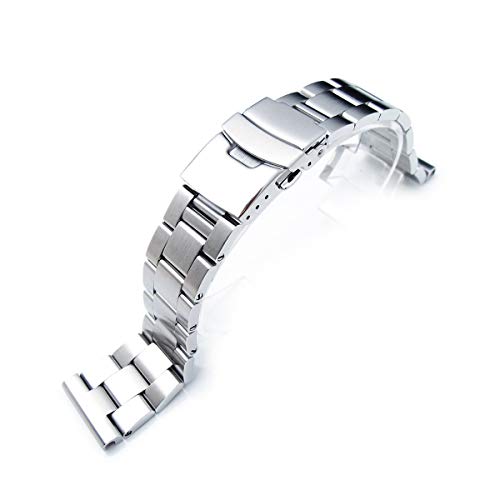
Metal choices like stainless steel and titanium are robust, providing durability and resistance to corrosion. These materials, while stylish, can sometimes react with skin, especially if exposed to moisture regularly.
Fabric Straps
Fabric variations, including nylon or canvas, promote breathability and comfort. They are easy to clean and maintain, making them practical for active use.
Composite Materials
Composite combinations combine elements for enhanced features. These materials aim to harness the benefits of various substances, offering a unique approach to comfort and style.
Common Alloys Responsible for Skin Discoloration
Alloys containing copper, nickel, and zinc frequently lead to skin discoloration. Copper, when in prolonged contact with moisture or sweat, reacts with skin acids, forming green compounds that stain the surface. Nickel, a common metal in cheaper jewelry, often triggers allergic reactions in sensitive individuals, resulting in skin irritation and discoloration. Zinc, while usually less reactive, can also contribute to skin reactions depending on its alloy combination.
The presence of metals like brass–an alloy of copper and zinc–can exacerbate discoloration issues. Brass is less resistant to oxidation and may promote skin staining when exposed to perspiration. Stainless steel, while more durable, can contain nickel, making it potentially problematic for those with sensitization to this metal.
When selecting accessories, opt for high-quality materials such as titanium or surgical-grade stainless steel, which are less likely to cause reactions. Additionally, consider coatings like PVD (Physical Vapor Deposition) that can provide a protective barrier, reducing skin contact with reactive materials.
Factors That Influence Skin Reactions
The composition of materials in contact with the skin significantly affects reactions. Certain metals can trigger irritation due to their chemical properties, while sweat and moisture from the skin can accelerate corrosion and enhance the release of metal ions.
Personal Skin Chemistry
Individual skin chemistry plays a pivotal role in reactions. Variations in pH levels, moisture content, and sebum production can make some individuals more prone to discoloration. For instance, higher acidity may react differently with metal alloys.
Environmental Conditions
Humidity, temperature, and exposure to various substances such as lotions or perfumes can influence skin reactions. Wet conditions may promote oxidation, while external products can interact with metal surfaces, leading to unwanted discoloration. To mitigate these effects, consider removing accessories during workouts or long exposure to moisture.
Monitoring how different materials interact with personal skin chemistry and environmental factors can help choose accessories that minimize unwanted reactions.
How to Prevent Wrist Discoloration from Watch Bands
Opt for hypoallergenic materials like silicone, leather, or stainless steel to minimize skin reactions. These materials are less likely to cause irritation and discoloration.
Regularly clean the underside of the strap to remove moisture, dirt, and skin oils that may lead to chemical reactions. Use a damp cloth to wipe the area and allow it to dry completely before wearing.
Choose Quality Products
Invest in higher-quality accessories made from durable metals or non-reactive materials. Look for those with protective coatings that can create a barrier between the skin and the alloy.
Adjust Fit and Usage
Ensure the accessory is not too tight to allow airflow, reducing sweat accumulation that can contribute to discoloration. Consider removing the item during activities that involve excessive perspiration.
How to Clean and Care for Affected Skin
Immediately cleanse the area using mild soap and lukewarm water. Gently scrub with an exfoliating sponge to remove residue without irritation.
After cleaning, pat dry with a soft towel. Avoid rubbing, as this can exacerbate sensitivity. Applying a hypoallergenic moisturizer promotes healing.
Consider using a barrier cream containing zinc oxide or similar ingredients. This provides a protective layer against irritants.
- Use a non-alcoholic antiseptic wipe to disinfect the area.
- Apply aloe vera gel for soothing properties; its anti-inflammatory effects can alleviate discomfort.
- If irritation persists, consult a dermatologist for tailored advice.
Monitor the affected region daily for any changes. If a rash develops or swelling occurs, discontinue use of the item causing irritation.
Regularly apply moisturizing lotion to the surrounding skin, keeping it hydrated and resilient against potential irritants from external sources.
Avoid tight-fitting accessories that may trap moisture and sweat, fostering an environment for irritation.
When engaging in activities that cause perspiration, remove the accessory to minimize contact with moisture and prevent further reactions.