
 Ethan Cole
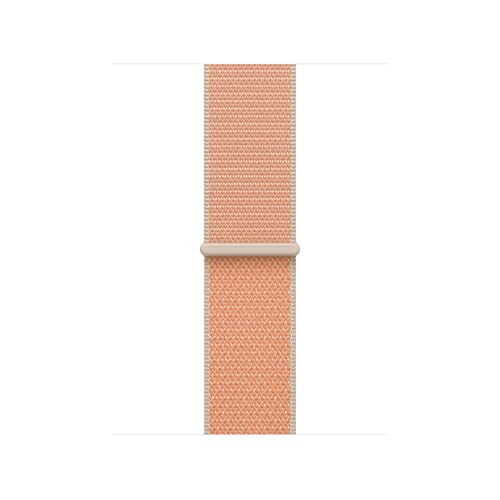
Regularly clean the area beneath your accessory and the band itself to eliminate any unwanted odors. Accumulation of sweat, dirt, and skin oils can contribute significantly to this issue.
Opt for materials that allow for breathability, such as silicone or fabric, if you wear your timepiece frequently. These materials help reduce moisture retention, minimizing potential odor buildup.
Another effective approach is to rotate between different styles. Giving each one a break allows for thorough drying and less opportunity for lingering scents.


Consider using disinfectant wipes or a soft cloth with a mild soap solution to clean both the band and the casing. This not only helps in odor removal but also maintains the overall hygiene of your accessory.
If the issue persists despite regular maintenance, inspect for any signs of damage or wear. Frayed bands or broken seals can trap moisture, further amplifying unpleasant aromas.
Addressing Unpleasant Odors Related to Timepieces
Regularly clean the skin area beneath your accessory, as moisture and sweat can accumulate, creating an environment favorable for bacteria growth. Use a soft cloth with warm water and mild soap to wipe the skin, ensuring it dries completely afterward.
Material Considerations
- Band Type: Leather and rubber bands can trap sweat and bacteria. Opt for breathable materials like nylon or silicone.
- Regular Maintenance: Treat leather straps with appropriate conditioners and clean rubber or silicone with antibacterial wipes.
Personal Hygiene Tips
- Shower daily, especially after workouts.
- Use a mild deodorant to control sweat.
- Avoid prolonged contact with perspiration during physical activities.
Consider alternate days for wearing the timepiece, allowing the skin to breathe and reducing odor issues over time.
Understanding Causes of Odor on Your Wrist
Regular maintenance of timepieces is crucial to prevent unpleasant odors. Ensure to clean the strap frequently, especially if it’s made of leather or rubber, as materials can absorb sweat and bacteria over time. Utilize gentle soap and water or a dedicated cleaning solution, ensuring the watch is removed before any cleaning process.
Material Impact
Different materials have varying interactions with skin and sweat. Synthetic straps may retain odors more than natural fibers, prompting the need for thorough cleaning. Consider switching to hypoallergenic materials if sensitivity is an issue, reducing irritation and potential odor.
Environmental Factors
Humidity and temperature can enhance odor development. Wearing timepieces during strenuous activities or in hot climates increases sweat production, making cleaning even more imperative. Allow straps to dry completely after exposure to moisture to mitigate bacterial growth.
Materials Used in Timepieces and Their Impact on Skin
Choosing the right components in timepieces can significantly influence skin health. Certain materials can cause irritations or odors due to their interactions with sweat, skin oils, and environmental factors.
Common Materials
- Stainless Steel: Generally hypoallergenic, but nickel in some alloys can trigger reactions in sensitive individuals.
- Leather: Natural leather absorbs moisture and oils, potentially leading to bacteria growth, resulting in unpleasant odors.
- Silicone: Often used in sports watches. While flexible and water-resistant, it may retain odors if not cleaned regularly.
- Plastic: Lightweight but can trap sweat, necessitating regular cleaning to prevent odor accumulation.
- Gold: Usually does not cause skin issues, but individuals with sensitivities to metals should check for nickel content.
Maintenance Recommendations
- Clean watches regularly using appropriate materials. For stainless steel, a soft cloth and mild cleanser work well.
- For leather bands, consider periodic conditioning to prevent moisture retention and bacterial growth.
- Silicone straps benefit from washing with soap and water to eliminate buildup.
- Rotate the wearing of different styles to allow skin to breathe.
- Stay hydrated and practice good hygiene to minimize sweat accumulation.
Awareness of material choices and diligent maintenance can reduce irritation and unpleasant scents, promoting a better wearing experience.
Hygiene Practices to Prevent Malodors from Timepieces
Regular cleaning of both the skin and the accessory is paramount. Clean the band with a soft damp cloth and mild soap weekly to eliminate sweat and grime. Leather bands may require specific leather cleaners, while silicone or metal can usually withstand water.
Ensure proper skin care beneath the timepiece. Moisturizing skin can help reduce irritation and sweat buildup. Opt for non-comedogenic products to avoid clogging pores, which can lead to unpleasant odors.
Daily Maintenance Tips
Remove the accessory before engaging in physical activities. This practice allows the skin to breathe and reduces moisture retention under the band. After workouts, wash the skin thoroughly to remove sweat and bacteria.
Store the item in a clean, dry place when not in use. Use silica gel packs to absorb excess moisture, especially in humid environments, maintaining freshness and preventing growth of bacteria or fungi.
Monthly Deep Cleaning
Once a month, perform a more thorough cleanse of the accessory. For metal or rubber bands, a soak in warm soapy water followed by a gentle scrub can rejuvenate and sanitize. For leather, consider conditioning to maintain quality while ensuring cleanliness.
Pay close attention to hidden areas such as buckle clasps, as these spots can trap debris and contribute to unwanted scents. Regular inspection can help maintain optimal hygiene and prolong the lifespan of the timepiece.
When to Seek Professional Help for Skin Odor Issues
If persistent odor remains despite implementing proper hygiene and care for the skin around the wrist, consulting a dermatologist or healthcare provider is advisable.
Consider seeking assistance if you observe any of the following symptoms:
| Symptom | Recommendation |
|---|---|
| Redness or inflammation | A skin specialist can evaluate potential dermatitis or allergic reactions. |
| Unusual rash or lesions | Professional evaluation is necessary to rule out skin infections or eczema. |
| Persistent odor despite hygiene practices | This could indicate an underlying skin condition that warrants medical attention. |
| Skin irritation after wearing specific materials | An allergist can perform patch testing to identify materials causing sensitivity. |
| Changes in skin texture or condition | Consult with a healthcare professional for a thorough examination. |
Ultimately, addressing odor concerns through professional channels can provide clarity and effective solutions for maintaining skin health and comfort.
Recommended Products for Cleaning Watch Straps
For silicone and rubber straps, use a gentle soap solution along with a soft cloth or sponge. Look for products like the “Gentle Soap for Silicone Straps” which effectively removes dirt without causing damage.
Leather bands require specialized care. A leather cleaner such as “Leather Honey” helps maintain suppleness while cleaning. Pair it with a soft brush for thorough cleaning.
For metal bracelets, consider a jewelry cleaning solution like “Simple Shine”. This product is designed to remove grime and shine the surface without scratching.
Microfiber cloths are ideal for general maintenance. They effectively trap dust and oils, making them suitable for various materials. Consider options such as “AmazonBasics Microfiber Cleaning Cloths”.
Ultrasonic cleaners can deeply clean intricate designs and hard-to-reach spots. Models like the “Magnasonic Professional Ultrasonic Jewelry Cleaner” offer safe cleaning for all types of straps.
To protect against future odors, applying a silicone-based protectant on straps, such as “303 Fabric Guard”, can be beneficial. It helps repel moisture and dirt.
For an all-in-one solution, check out “WatchCleaner”, specifically formulated for cleaning different strap materials while deodorizing.
FAQ:
What causes a bad smell from my watch on my wrist?
A bad smell from your watch can be attributed to a few factors. One common reason is the accumulation of sweat, dirt, and oils from your skin. When trapped between the watch and your wrist, these substances can create an unpleasant odor. Additionally, if your watch is made of certain materials, such as synthetic straps or metal, they may also react with sweat and body chemistry, leading to an offensive smell. Regular cleaning of both your wrist and watch can help mitigate this issue.
How can I prevent my wrist from smelling due to my watch?
Preventing a bad odor on your wrist caused by your watch involves several simple practices. First, make it a habit to clean your watch regularly using a soft cloth, especially during hot weather or after exercising. You can also wash your wrist with soap and water to remove sweat and oils. If your watch has a removable strap, consider rotating between different straps to allow each one to air out. Additionally, avoid wearing your watch too tightly, as this can trap moisture and increase odor. Lastly, consider choosing watch materials that are less prone to odor absorption.
What materials are best for watches that won’t smell on my wrist?
When selecting a watch, consider materials that are more resistant to odor accumulation. Silicone or rubber straps are often a good choice as they are easy to clean and do not absorb moisture. Stainless steel, titanium, and ceramic are also great options for watch bodies, as they are less likely to react with sweat. If you prefer leather, opt for those treated to resist moisture. Remember that personal hygiene plays a significant role, so maintaining a clean wrist will enhance any watch’s wearability.
Is it bad for my skin if my watch smells bad?
While a smelly watch itself may not directly cause skin problems, it can indicate a buildup of bacteria that thrives in moisture and sweat. This can potentially lead to skin irritation or rashes, especially if you have sensitive skin. If you notice a persistent odor or any skin irritation, it is advisable to remove the watch and clean both your wrist and the watch thoroughly. If issues persist, consulting with a dermatologist may be necessary to rule out any underlying skin conditions.



