
 Ethan Cole

If persistent irritation occurs while wearing your smart accessory, consider adjusting its fit. A snug or overly tight placement can lead to skin issues, causing discomfort and rash.
Regular cleaning of both the device and your skin is crucial. Accumulation of sweat, dirt, or product residues can exacerbate sensitivity. Wipe down the contact points with a damp cloth and ensure your skin is clean and dry before putting it back on.
Material sensitivity may also play a role. If the strap or casing is composed of a substance that irritates your skin, switching to a hypoallergenic band made of silicone or fabric could alleviate these problems.
Lastly, allow your skin some breathing room. Taking breaks from wearing the device, especially during activities that induce sweating, might significantly enhance comfort levels and reduce irritation.

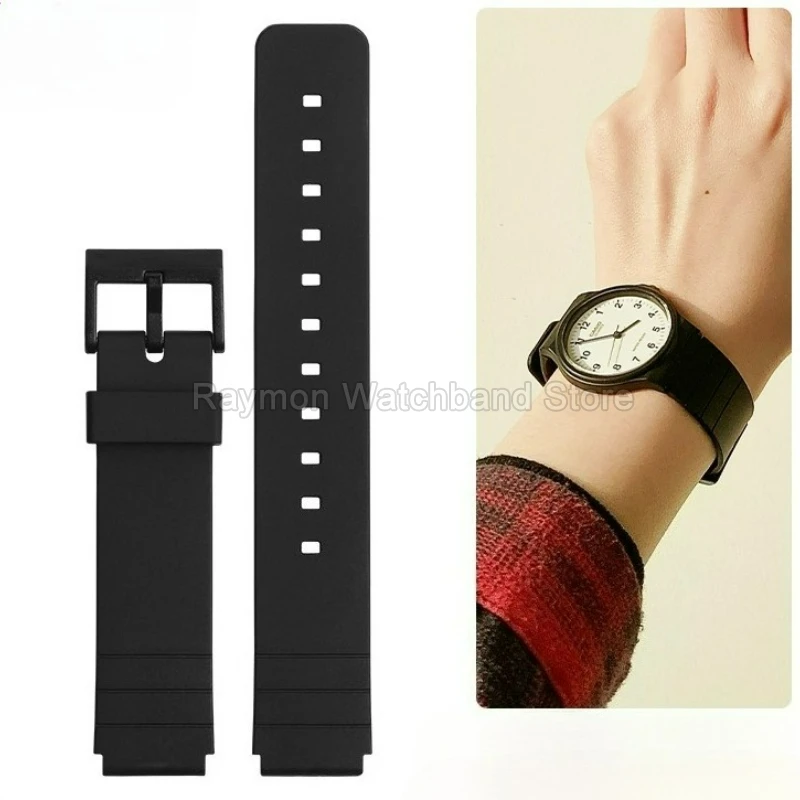
Skin Irritation from Wearable Device
Consider switching to a different band material. Materials such as silicone or leather may cause less irritation compared to metal bands. It’s advisable to clean the strap regularly to eliminate sweat, dirt, and debris that can contribute to discomfort.
Skin Care Routine
Maintaining clean and moisturized skin is essential. Use a gentle exfoliant to remove dead skin cells and keep the area hydrated. Avoid using lotions or creams directly underneath the device, as they may trap moisture and lead to irritation.
Proper Fit and Adjustment
Ensure the device fits snugly but not too tightly. A band that is too tight can cause friction and irritation, while a loose fit may allow unwanted movements that lead to skin problems. Regularly check the fit and adjust it to your comfort level.
Identifying Skin Reactions to Materials
To address skin irritation, consider evaluating the specific materials in contact with your skin. Common culprits include metals, plastics, and rubber. Pay attention to reactions after prolonged wear and note any redness, swelling, or discomfort.
Nickel is frequently linked to allergic contact dermatitis. If your device contains this metal, opting for nickel-free alternatives or protective barriers can minimize reactions. For individuals sensitive to certain plastics, using a protective cover may prevent direct contact.
Moisture buildup can exacerbate irritation. Ensure consistent cleaning of both your skin and the device to reduce sweat and dirt accumulation. An alcohol wipe or a mild soap solution works well for cleaning. Allow the area to dry completely before reapplying the device.
Consider the fit of the device; overly tight bands can lead to chafing and skin sensitivity. Adjust the strap for a more comfortable fit, allowing for airflow. Switching to breathable materials can further decrease irritation chances.
If persistent irritation occurs, consult a dermatologist for professional advice. They may recommend patch testing to identify specific allergens and provide guidance on suitable alternatives.
Checking for Proper Fit and Tightness
Ensure the device is snug but not overly tight. A proper fit allows for adequate airflow while maintaining contact with the skin for accurate readings. Adjust the strap to allow a gap of one finger between the band and the skin. This prevents moisture buildup and minimizes irritation.
Regularly inspect the strap material for wear. Worn materials can cause friction and discomfort. If the material feels rough or damaged, consider replacing it with an alternative, such as silicone or breathable fabrics.
For optimal comfort, remove the device periodically throughout the day to give the skin a break. This is especially useful during activities that may cause sweating or prolonged exposure to the strap.
Monitor for any signs of skin reactions. If irritation persists despite adjustments to fit and material, consult a healthcare professional for advice on suitable wearable options.
Understanding the Role of Sweat and Moisture
Moisture accumulation can lead to skin irritation and discomfort. It is important to regularly clean the device and ensure that perspiration does not remain trapped between the skin and the wearable.
- Wipe the device and skin thoroughly following physical activities to minimize sweat buildup.
- Use a breathable band option to promote better air circulation, reducing moisture retention.
- Consider wearing the device slightly looser during exercise to allow more airflow.
Humidity can exacerbate skin sensitivity. Keeping the area dry will help mitigate reactions.
- Apply a moisture-wicking lotion before wearing the device to create a barrier against sweat.
- Monitor for signs of irritation, especially during hotter or more humid days, adjusting usage accordingly.
Regular cleaning with a gentle soap or disinfectant can prevent the buildup of bacteria and irritants, maintaining skin health.
- Schedule a weekly cleaning routine for both the wearable and the wrist area.
- Consult a dermatologist if persistent discomfort occurs to assess for any allergic reactions or skin conditions.
Inspecting for Allergies to Watch Components
Begin by identifying specific materials that may cause a reaction with your skin. Common components include metals like nickel, which is prevalent in many accessories. If you suspect a reaction, consider switching to hypoallergenic alternatives such as titanium or surgical-grade stainless steel.
Testing for Allergies
Conduct a patch test by placing a small piece of the suspected material on an inconspicuous area of skin. Wait 24 to 48 hours to observe any reactions. Reactions can manifest as redness, swelling, or irritation. For definitive results, consult with a dermatologist who can perform specific allergy tests.
Material Identification
Review the specifications of the straps and casing. Leather and synthetic materials might also contribute to irritation, particularly if they become moist. Opt for breathable and moisture-wicking options to minimize skin contact issues. Regular cleaning of the strap and skin area can help reduce allergens and build-up that may lead to discomfort.
Cleansing the Watch and Skin Regularly
To minimize discomfort, clean both the device and the skin routinely. Use a soft cloth and mild soap or disinfectant wipes to gently remove dirt and sweat from the device. This helps prevent irritation caused by buildup.
For the skin, wash the area with a gentle soap and dry thoroughly to remove moisture. Consider wiping down the skin after workouts or when sweating excessively, as trapped moisture can intensify issues.
- Utilize a soft, lint-free cloth for the device, avoiding abrasive materials.
- Choose non-irritating, hypoallergenic wipes or solutions for cleaning.
- Wash the skin around the device daily, ensuring it’s completely dry before reapplying.
- Regularly inspect the area for any signs of irritation or rash, adjusting cleaning frequency as needed.
Establish a routine that addresses both elements to promote comfort and hygiene. Keeping the interface and the surface of the skin clean can significantly reduce the likelihood of skin issues arising from prolonged contact.
Exploring Alternatives and Solutions for Comfort
Switch to a hypoallergenic strap made from silicone, fabric, or leather. These materials offer a softer touch and are less likely to irritate sensitive skin.
Regular Maintenance Practices
Establish a routine to clean the outer surface of the device and the skin underneath. Use a soft cloth and mild soap to eliminate bacteria and sweat residue. Ensuring cleanliness minimizes the risk of reactions.
Alternating Accessories
Consider rotating with other types of wearable tech during highly active or humid days. This alters exposure to potential irritants and allows the skin to breathe.
| Material | Comfort Level | Potential Irritation |
|---|---|---|
| Silicone | High | Rare |
| Fabric | Medium | Moderate |
| Stainless Steel | Medium | Possible |
| Leather | Medium | Possible |
Monitor humidity and perspiration levels. Excess moisture can exacerbate irritation. If conditions are humid, removing the device occasionally can help maintain comfort.



