
 Ethan Cole

Positioning a timepiece on the inner side of the forearm offers several clear advantages. This method not only ensures easier visibility of the dial for quick time checks but also minimizes the likelihood of accidental bumps or vibrations that can disrupt daily activities.
Research indicates that individuals adopting this style report a heightened sense of awareness regarding time management. By concealing the device from casual onlookers, users can maintain a measure of discretion while still keeping track of their schedule.
Moreover, this practice can enhance comfort and fit, particularly for those engaged in manual tasks. A secure and less intrusive placement can mitigate the risk of discomfort or injury when interacting with various objects, making it a practical choice for active lifestyles.
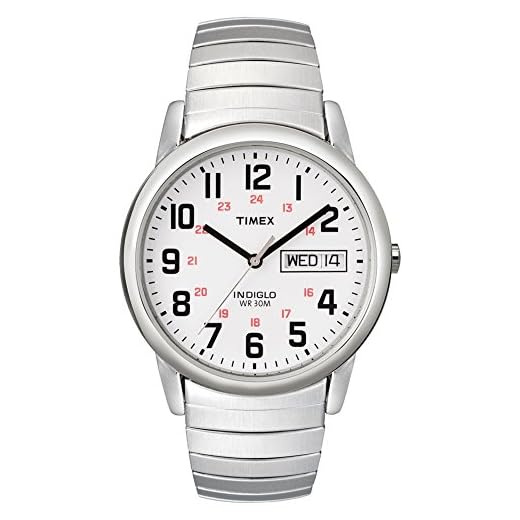


Wearing Timepieces on the Inner Arm
Opting for placement on the inner part of the arm enhances comfort and user-friendliness. This positioning minimizes exposure to scratches and damage, particularly in active or bustling environments.
Another factor to consider is visibility. Aligning the dial towards the wearer’s view allows for discreet time-checking, reducing attention drawn from others. This feature proves advantageous in professional settings where subtlety is valued.
Many find that a snug fit is achieved more reliably when situated on the inner side, making quick adjustments easier without excess movement. Furthermore, this orientation often mirrors the natural inclination of the hand during everyday tasks, leading to a seamless integration into routine activities.
Historical influences also play a role. Traditional watch design and styling often reflect a preference for this alignment, contributing to its popularity among fashion enthusiasts and collectors alike.
Lastly, aesthetics are important. The inner surface typically showcases the craftsmanship and details of the timepiece, enhancing its appeal as both function and fashion are interwoven.
Comfort and Reduced Distraction
Positioning timepieces on the inner forearm enhances comfort, leading to a more natural feel and minimized irritation during daily activities. This orientation allows for a snug fit against the skin, reducing movement that often occurs when wearing accessories externally.
Moreover, viewing the dial from this angle fosters a seamless glance at the time, minimizing the need to twist the arm. This efficiency helps to maintain focus on tasks without interruption, contributing to overall productivity. For professionals in high-pressure environments, this unobtrusive glance becomes invaluable.
Benefits of Inner Arm Placement
| Benefit | Description |
|---|---|
| Enhanced Comfort | Less friction against clothing, resulting in reduced wear and tear on the skin. |
| Discreet Time Checking | Easy access for quick looks without full arm movement. |
| Style Versatility | Matches various outfits without clashing due to its unobtrusive location. |
| Reduced Accidental Engagement | Minimizes the risk of buttons being pressed accidentally during activities. |
Transitioning to this style may require adjustment, but the resulting blend of ease and subtle elegance enhances how timepieces serve their purpose throughout daily routines.
Practicality in Daily Activities
Positioning a timepiece on the inner arm significantly enhances usability during various tasks. This orientation allows easier glance-checking while engaging in activities requiring movement, such as writing or typing. By minimizing the need for awkward wrist angles, it streamlines interactions with devices or papers.
Ease of Interaction
For individuals who frequently utilize smartphones or tablets, viewing the clock from this placement ensures minimal obstruction. It enables quick updates on time without excessive hand movement, maintaining focus on primary tasks.
Protection Against Damage
Placing a timepiece on the inside reduces exposure to potential scratches or impacts. This can be particularly beneficial during physical activities, such as sports or manual labor, where external impacts might occur. Ensuring optimal preservation of the device can extend its lifespan significantly.
Fashion Statement and Style Choices
Opting for this placement serves as an intriguing style choice often associated with individuality and personal expression. This approach allows for the seamless integration of a timepiece into various outfits, creating a sophisticated, polished appearance.
Consider these style aspects for an impactful fashion statement:
- Layering: Wearing a wrist adornment on the inner side complements arm accessories like bracelets or cuffs, achieving a balanced aesthetic.
- Clothing Compatibility: Selecting this option aligns particularly well with long-sleeved garments, keeping the accessory discreet and adhering to formality.
- Personal Brand: Such positioning can reflect personal branding, aligning with a minimalist or avant-garde style ethos, appealing to specific fashion sensibilities.
Simplicity and minimalism often play key roles in contemporary fashion, and this choice exemplifies a desire to blend functionality with stylishness without overwhelming the overall look.
Explore various designs, including classic or sporty models, ensuring they resonate with individual style preferences while maintaining a sophisticated touch. Functionality does not need to compromise aesthetics; rather, different placements can enhance self-image and express uniqueness.
Protection from Scratches and Damage
Positioning timepieces against the inner forearm offers a pragmatic solution for minimizing potential scratches and impacts. This method effectively safeguards the watch face from unintentional contact with hard surfaces, such as tables and door frames, which are common hazards in daily life.
Choosing durable materials enhances this protective aspect. Watches crafted from sapphire crystal, for instance, resist scratches significantly better than standard glass. Similarly, opting for a case made of stainless steel or titanium adds an extra layer of resilience against physical damage.
Additionally, employing a soft strap or bracelet can mitigate the risk of abrasions on both the skin and the watch itself. Materials like silicone or leather provide cushioning that lessens the chance of impact, while ensuring comfort throughout wear.
For real-world scenarios, engaging in physical activities or manual tasks necessitates extra precaution. Adjusting the watch position can effectively reduce wear and tear, preserving its aesthetic and functional integrity for years.
In the long term, adopting this approach contributes to maintaining the watch’s value, especially for high-end models where condition significantly affects resale opportunities. Investing in protective measures now can pay dividends later.
Visibility and Readability Considerations
Positioning a timepiece on the inner side of the forearm enhances visibility during more discreet moments. This orientation allows for quick glances at the dial without significant wrist movement, aiding in maintaining situational awareness, especially in crowded environments.
Additionally, this placement reduces glare caused by direct sunlight or bright artificial lighting, ensuring easy reading of time. Opting for a display with well-contrasted numbers and markers can further improve legibility even under challenging lighting conditions.
For individuals engaged in tasks demanding frequent time checks, such as driving or office work, keeping the watch inverted enhances accessibility. Adjustments can also be made for optimal viewing angles depending on wrist position.
Choosing a style with larger indices or a minimalist design can facilitate rapid visual assessment. A timepiece should balance aesthetic appeal with functional readability, supporting both style and practicality in daily wear.
Cultural Influences and Personal Preferences
Opting for timepieces on the forearm can stem from a variety of cultural values and individual inclinations. In certain cultures, such choices may symbolize functionality, practicality, or status. For instance, in professional settings, wearing time indicators subtly visible on the lower arm may signify readiness and efficiency. Different social circles might also embrace this style not simply for utility, but as a reflection of shared values and aesthetics.
Personal taste plays a significant role as well. Many individuals find comfort in this particular positioning, as it often aligns with lifestyle habits and movement patterns. Accessories on the underside present an opportunity for customization, allowing wearers to add a unique touch that aligns with personal identity.
Fashion Choices and Cultural Norms
Trendy preferences can influence why some may choose this unconventional positioning. Specific fashion movements often promote creative expressions, while subcultures may encourage distinctive styles that emphasize uniqueness over traditional methods. This contrast cultivates a comprehensive view of how cultural landscapes can shape styling decisions.
Ultimately, the positioning reflects both collective cultural narratives and individual expressions, offering insights into how style can intersect with functionality and identity in everyday life.
FAQ:
Why do people wear watches on the inside of their wrist rather than the outside?
Wearing a watch on the inside of the wrist is often a matter of personal comfort and style. For many, it feels more natural and allows for easier access when checking the time. This position can also provide better protection for the watch from scratches or damage, as it’s less exposed to impacts. Additionally, wearing the watch inward creates a more discreet look, which some individuals prefer, especially in professional settings where a subtle appearance is appreciated.
Are there any cultural or social influences behind wearing watches on the inside of the wrist?
Culturally, the way a watch is worn can reflect personal style and influence social interactions. In some cases, wearing a watch on the inside can signify a particular attitude towards fashion, where individuals might want to showcase or downplay their accessories. Socially, certain groups may adopt this style as a trend, influenced by celebrities or public figures who favor this method. It can also be a practical choice for individuals in certain professions where they need to keep an eye on time discreetly while interacting with others. Ultimately, these choices can be shaped by a combination of practical concerns, personal taste, and social dynamics.


