
 Ethan Cole

To appreciate the artistry behind every timekeeping device, one must trace its historical milestones. The transition from rudimentary designs to intricate machinery showcases how human ingenuity has redefined personal time management. Pay attention to innovative shifts, such as the introduction of mainspring mechanisms in the 15th century, which heralded a new era of portability and accuracy.
Explore the pivotal moments, including the late 19th century, when mass production techniques began to dominate, transforming these instruments from luxury items into accessible commodities. The quartz revolution in the 1970s marked another significant turning point, providing unrivaled precision and shifting consumer preferences dramatically.
In analyzing these developments, observe how aesthetic choices reflect cultural influences across different periods. From elegant ornamentation in Victorian styles to minimalist designs that characterize modern advancements, the chronicle of timepieces offers insights into societal values and technological advances.
A Timeline of Wrist Watch Progression
To understand the development of timepieces worn on the wrist, examine key milestones. The earliest examples date back to the late 19th century when watches transitioned from pocket sizes to designs specifically for wear on the wrist, popularized during World War I for practical use.

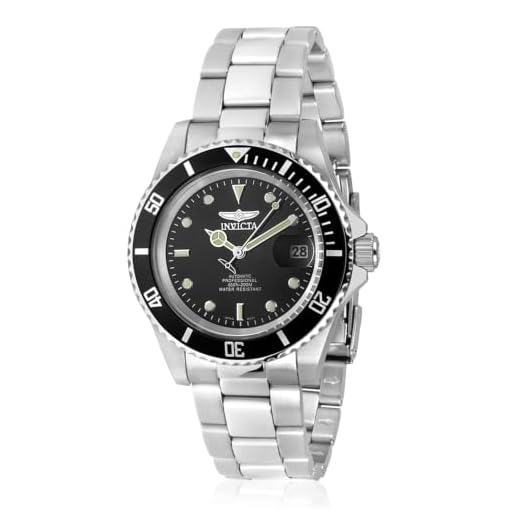
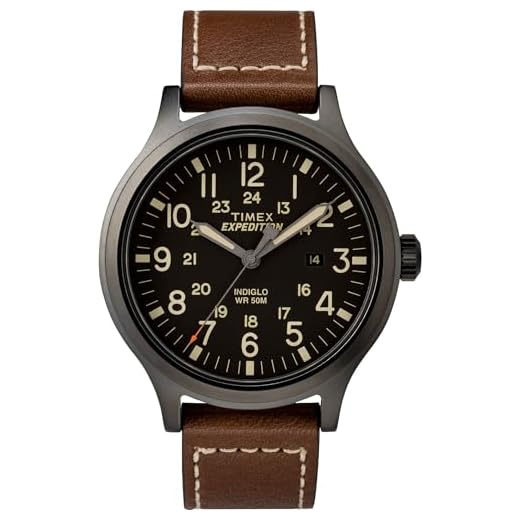
20th Century Breakthroughs
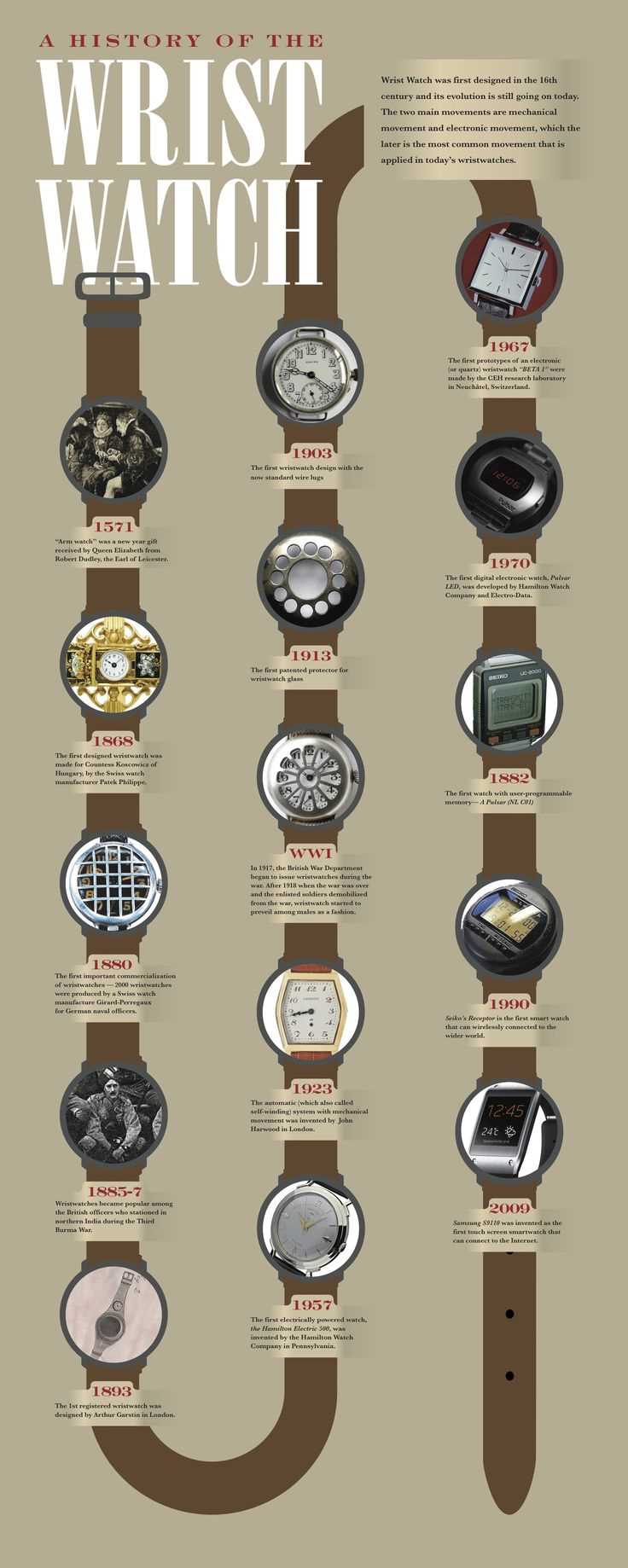
In the 1920s, fashion brands began producing more aesthetic models, leading to the emergence of luxury options with decorative elements. The quartz revolution in the 1970s marked a pivotal change, as battery-operated timekeeping became dominant, offering precision and affordability.
Contemporary Innovations
Recent advancements feature smart technology integration, allowing connectivity and functionality that surpasses traditional uses. Brands now often incorporate features like health monitoring, navigation, and customizable displays, appealing to a modern audience looking for multifunctional instruments.
The Birth of the Wrist Watch: Origins and Early Designs
The concept of wrist-worn timepieces began to take shape in the late 19th century. Early designs emerged from the need for practicality among military personnel, who required a convenient way to time maneuvers without accessing pocket timepieces.
The first verified instance of this idea dates back to 1868 when Swiss manufacturer Patek Philippe crafted a bracelet watch for Countess Koscowicz of Hungary. This piece featured a delicate design aimed at women, blending elegance with functionality.
Men’s models began to gain popularity during the early 1900s, particularly with the advent of the First World War. Soldiers needed reliable timekeeping for coordinating operations, leading to innovations in functionality and durability. Brands like IWC and Longines introduced robust styles suited for combat.
The 1920s marked a significant shift as luxury brands, including Cartier, commenced producing stylish variants that appealed to the affluent and fashion-conscious. The famous “Tank” model, unveiled by Cartier, exemplified a fusion of aesthetics and practicality, influencing subsequent designs.
The introduction of the automatic mechanism in the late 1920s further transformed these timepieces, offering self-winding capabilities that enhanced convenience. This advancement attracted engineers and horologists to explore new designs, ultimately broadening the market.
By the mid-20th century, sporting models emerged, catering to active lifestyles. Brands such as Rolex launched rugged designs, showcasing water resistance and shockproof features. The diversification in design and function solidified the popularity of wrist-worn devices across various demographics.
Throughout the 20th century, technological innovations continued shaping the direction of these instruments, paving the way for modern craftsmanship while preserving the charm of earlier creations.
Key Innovations in Mechanisms: From Pocket to Wrist
The transition from handheld timepieces to those worn on the arm marked a significant shift in horology. The development of smaller, more precise movements allowed for this innovation. In the late 19th century, the introduction of the “dress” movement facilitated this shift by offering a compact design suitable for wearability.
Precision Engineering
The invention of the lever escapement in the mid-1800s revolutionized accuracy. This mechanism minimized friction and improved timekeeping, making it ideal for portable devices. Subsequently, technological advancements, including the adoption of springs and balance wheels, resulted in subdivisions of gears that enhanced reliability and durability.
Automated Mechanisms
The early 20th century saw the rise of self-winding systems, which eliminated the need for manual winding. The incorporation of automatic movements, utilizing the motion of the wearer’s wrist to wind the mainspring, expanded the convenience of these timepieces. This innovation set the stage for modern designs, merging functionality with style.
By the 1950s, the introduction of quartz technology introduced unparalleled accuracy while reducing maintenance needs. This leap forward significantly shifted consumer preferences and industry standards, paving the way for contemporary mechanisms that prioritize precision and user experience.
Impact of World Wars on Watch Technology and Style
The global conflicts of the 20th century profoundly influenced the mechanics and aesthetics of timekeeping instruments. Military demand necessitated innovations in durability, precision, and functionality. Armed forces required timepieces that could withstand harsh conditions and provide accurate timekeeping for strategic operations.
During World War I, timepieces transitioned to a more compact format. Soldiers found pocket models impractical, leading to widespread adoption of wrist-mounted designs. This shift not only enhanced utility but also marked the beginning of a fashion trend that made such devices acceptable and fashionable for civilian use post-war.
Advancements in materials occurred as manufacturers experimented with robust alloys and synthetic substances. The need for water and shock resistance became paramount, birthing innovations like the use of stainless steel and the introduction of radium for luminous dials, which allowed for readability in low light conditions.
World War II further accelerated developments in horological technology. The rise of pilots’ instruments introduced features such as oversized dials and improved legibility. The incorporation of new materials, such as Bakelite, allowed for lightweight yet durable designs. Many companies fortified their products by producing models explicitly for military personnel, which often featured simplified designs focused on essential functions.
The end of the conflicts saw the transition into mass production techniques, making these refined products more accessible to the general public. The aesthetics shifted towards practicality, with a subtle yet distinct military influence that persisted into the civilian market, manifesting in styles that favored clean lines and functionality. High-profile brands emerged, adopting designs that resonated with the public while paying homage to their sporting and military origins.
Such historical milestones have continued to shape modern preferences, where the legacies of wartime innovations persist in both design and technology, illustrating how necessity breeds advancement in the world of timekeeping devices.
The Rise of Quartz: Revolutionizing Timekeeping Accuracy
The introduction of quartz technology in the late 20th century transformed precision in timekeeping. The emergence of this innovation was marked by the Seiko Astron in 1969, which became the first mass-produced quartz timepiece, setting a benchmark for accuracy and affordability.
Quartz oscillators exploit the unique properties of quartz crystals, allowing timepieces to maintain a near-perfect level of accuracy, often within a few seconds per month. This advancement meant that mechanical movements, which rely on intricate gears and springs, were now overshadowed by science-based timekeeping.
This shift resulted in a dramatic decrease in production costs, making these devices accessible to a wider audience. By the 1980s, a significant decline in traditional watch manufacturing occurred as consumer preferences leaned towards these modern timekeepers.
Additionally, manufacturers began to experiment with various designs and styles, leading to the diversification of features such as lightweight materials, water resistance, and digital displays. Companies that embraced this technology, like Casio and Swatch, flourished, innovating with multifunctional gadgets that appealed to tech-savvy consumers.
The quartz revolution also influenced the movement towards more compact and robust designs, inspiring a new generation of inventors and brands to explore digital interfaces, smartwatch capabilities, and connectivity.
As a consequence, the accuracy and reliability of quartz mechanisms set a new standard in horology, compelling mechanical brands to innovate and adapt, thus shaping the trajectory of timekeeping culture for decades to come.
Modern Trends: Smart Devices and Their Influence on Tradition
Smart devices have shifted consumer expectations and perceptions in the horological sector, merging technology with craftsmanship.
Consider these influential trends:
- Functionality Integration: Features such as fitness tracking, notifications, and health monitoring have expanded the traditional purpose of timepieces.
- Customization: Many smart devices offer interchangeable bands and customizable interfaces, allowing users to personalize their experience.
- Sustainability: Brands are increasingly adopting eco-friendly materials and production methods, aligning with consumer demand for responsible practices.
- Fashion Collaboration: High-end brands collaborate with tech companies, merging luxury aesthetics with advanced functionalities.
These trends impact classic timepieces by challenging traditional aesthetics and functionality:
- Design Minimalism: The sleek, minimalist styles of smart devices influence contemporary designs, impacting both tradition-oriented and innovative manufacturers.
- Hybrid Models: Some brands now produce hybrid options that combine analog elements with smart capabilities, appealing to enthusiasts of both worlds.
- Consumer Education: The rise of technology necessitates educating consumers about the complexities of both digital and mechanical craftsmanship.
The blurred lines between traditional craftsmanship and modern technology highlight an ongoing shift in the horological world, shaping the future of style and utility in one cohesive narrative.
FAQ:
What are the key milestones in the evolution of wrist watches?
The evolution of wrist watches can be traced through several key milestones. First, the transition from pocket watches to wrist watches in the late 19th century marked a significant change in how time was perceived and accessed. The introduction of the wristwatch as a practical accessory began with soldiers using them in World War I for better time management in battle. The 1920s and 1930s saw the rise of luxury wristwatches, where brands like Rolex began to define the market. The quartz revolution in the 1970s drastically transformed watch technology, leading to more accurate and affordable timepieces. In the 21st century, smartwatches emerged, integrating technology and traditional timekeeping, further diversifying the wristwatch landscape.
How did the wrist watch become a fashion statement?
The wrist watch evolved into a fashion statement through a combination of social trends and marketing strategies over the decades. In the early 20th century, wrist watches were primarily functional, but by the 1920s, designers began to emphasize style and craftsmanship. This shift was propelled by celebrities and influencers who wore notable watches, making them desirable accessories. The creation of limited editions and collaborations with renowned fashion houses further solidified wrist watches as symbols of luxury and personal style. Today, many brands offer a wide variety of designs, making wrist watches not just functional but also pivotal in expressing individual identity.
What are the major differences between mechanical and quartz wrist watches?
Mechanical and quartz wrist watches differ mainly in their movement mechanism. Mechanical watches are powered by a complex system of gears and springs, requiring manual winding or automatic movement to keep time. They are often appreciated for their artistry and craftsmanship, appealing to watch enthusiasts and collectors. Quartz watches, on the other hand, use a battery-powered movement that oscillates using quartz crystals. This technology allows them to be more accurate and generally more affordable. While mechanical watches are loved for their traditional appeal, quartz watches are valued for their convenience and precise timing.
What impact have smartwatches had on traditional wristwatch sales?
Smartwatches have significantly impacted traditional wristwatch sales by appealing to a tech-savvy audience seeking multifunctionality. The rise of smartwatches introduced features such as fitness tracking, notifications, and even mobile payments, attracting consumers who prioritize technology in their daily lives. This shift has led some traditional watch brands to adapt by adding smart technology to their offerings or creating hybrid models that retain the classic aesthetic while incorporating modern features. As a result, traditional watchmakers are facing new challenges while also exploring innovative ways to engage with consumers who value both tradition and technology.


