
 Ethan Cole

Not all timepiece power sources are interchangeable; identifying the correct type is vital for optimal performance. Different models require specific energy cells, affecting longevity and functionality. For instance, a quartz timepiece typically operates on a CR2032 cell, while others might need batteries like SR626SW or LR44.
When replacing, always consult your model’s specifications to ensure compatibility. Using an incorrect variant can lead to reduced accuracy or potential damage. Factors influencing choice include voltage, size, and chemical composition–lithium batteries, for example, have longer lifespans compared to alkaline options.
Consider also the brand; manufacturers may recommend proprietary versions for enhanced performance. Investing in high-quality cells from reputable producers ensures reliability and consistency over time. Proper maintenance, such as periodic checks and changes, will significantly extend the life of your timekeeping device.
Are All Wrist Watch Batteries the Same?
Not every power source is interchangeable due to differences in size, voltage, and chemistry. Selecting the appropriate power source is critical for optimal performance. Below are key factors to consider while choosing a power cell:


- Size: The dimensions of a cell determine compatibility with the casing. Common types include CR2032, SR626SW, and others, each with specific measurements.
- Voltage: Different types offer various voltage outputs. A mismatch can lead to malfunction or reduced precision in timekeeping.
- Chemistry: Options like alkaline, lithium, or silver oxide exhibit distinct discharge patterns and longevity. For instance, lithium types often provide longer runtime compared to alkaline counterparts.
- Terminal configuration: The arrangement of positive and negative terminals varies. Ensure the connection aligns correctly to avoid damaging the electronic components.
- Manufacturer specifications: Adhering to the manufacturer’s guidance is vital. Replacing with an alternative type may void warranties or compromise functionality.
In conclusion, ensuring compatibility is paramount to maintaining the functionality and lifespan of your timepiece. Double-check specifications before making a purchase.
Understanding Different Types of Watch Batteries
Different kinds of power sources exist for timepieces, which can impact performance and compatibility. Primary types include alkaline, silver oxide, and lithium options, each with distinct characteristics.
Alkaline Cells
This variety is frequently employed in economical models. They provide decent performance but may drain quickly in advanced designs. Choosing alkaline cells is suitable for quartz mechanisms requiring lower energy.
Silver Oxide Batteries
Preferred for enhanced efficiency, these cells exhibit better longevity and stability under varying temperatures. They suit high-precision instruments due to their consistent voltage output, ensuring accurate timekeeping.
Lithium options are known for extended life and power capacity, making them ideal for digital timepieces and features requiring advanced functionality. It’s vital to consult the manufacturer’s specifications when selecting a suitable option for replacement.
How to Identify Your Watch Battery Type
Check the case back for specific information; it often displays the battery model number. If not visible, gently remove the back using a case knife to access internal components.
Refer to the user’s manual, which may list compatible power sources. If unavailable, online resources can provide insights based on model numbers.
Use a multimeter to measure voltage. Compare readings with standard voltages: 1.5V for alkaline and 3V for lithium types. This helps narrow down suitable options.
Match the dimensions of your existing energy cell. Common sizes such as 357 (11.6mm diameter, 1.6mm height) or CR2032 (20mm diameter, 3.2mm height) can be noted for replacement.
Consult local jewelers or repair shops. Professionals often assist in identifying not just model specifications but compatibility with particular timepieces.
| Battery Type | Voltage | Dimensions |
|---|---|---|
| Alkaline | 1.5V | Various |
| Lithium | 3V | CR2016, CR2032, etc. |
| Silver Oxide | 1.55V | SR626SW, SR621SW, etc. |
Document any serial numbers or identifiers found during your research; these will facilitate future replacements and ensure you select the right component.
Common Sizes and Specifications of Watch Batteries
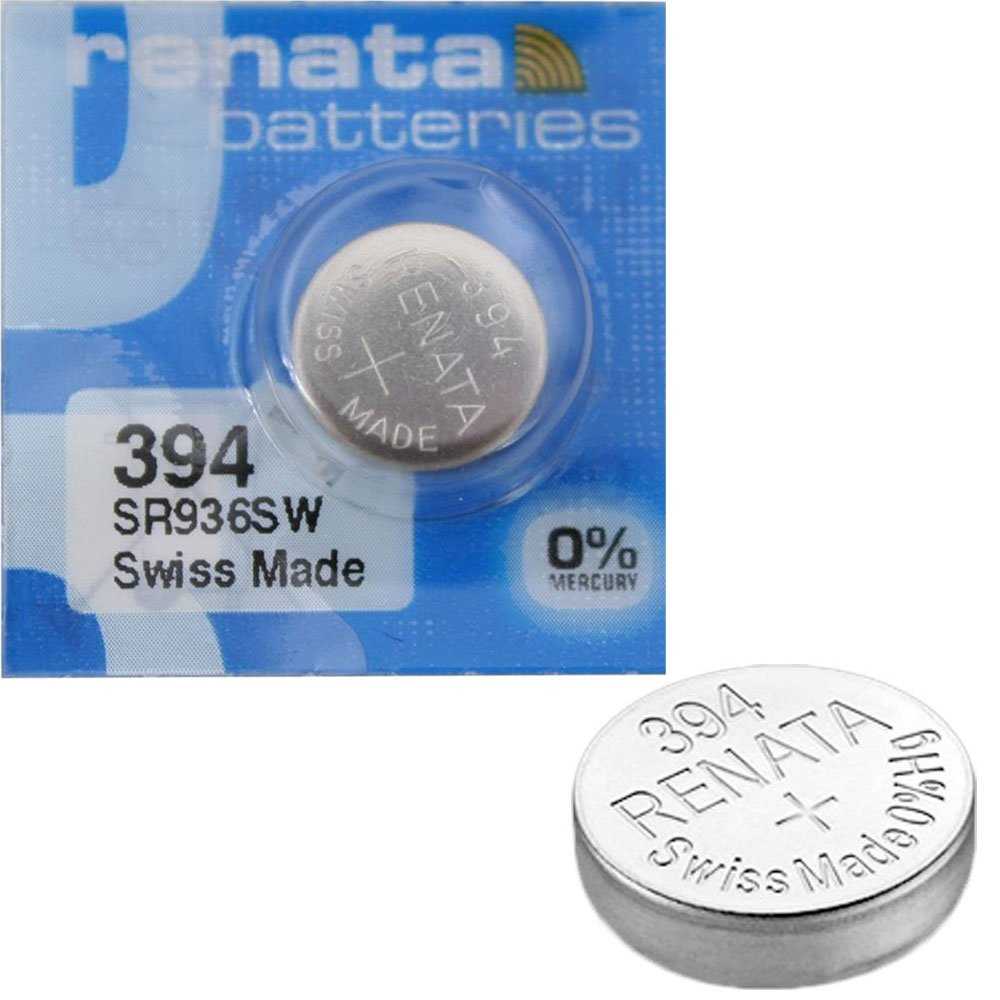
For accurate replacements, understanding the most prevalent sizes and specifications is essential. The following list outlines common dimensions and designations:
- 337/FG (1.55V) – A compact option often used in smaller timepieces.
- CR2032 (3V) – Widely found in many modern designs due to its long lifespan and reliability.
- SR626SW (1.55V) – Frequently utilized in quartz models, ideal for thin constructions.
- CR2016 (3V) – Common in thin profiles, balancing size and power efficiently.
- AG13/LR44 (1.5V) – A versatile choice, associated with various small devices, including time trackers.
Specifications
Each type comes with unique specifications that affect performance:
- Voltage: Standard values include 1.5V and 3V, impacting energy distribution.
- Size: Measurement in millimeters can determine compatibility and fit.
- Type: Zinc-air, lithium, and alkaline reflect chemical composition and longevity.
Referencing these sizes and specifications proves beneficial when seeking replacements. Matching numbers and types ensures seamless function.
Differences Between Quartz and Automatic Watch Batteries
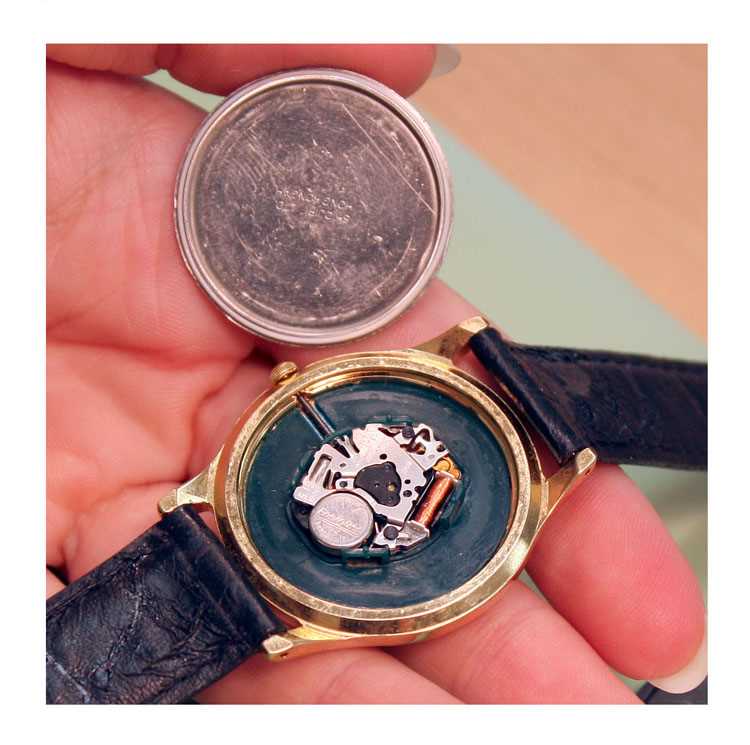
Quartz timepieces utilize a small battery that sends an electric current through a quartz crystal, ensuring precise timekeeping. These batteries commonly include types like silver oxide and lithium, with varying voltage outputs and capacities tailored for different models. Replacement is straightforward and can usually be done at home with basic tools.
Key Characteristics of Quartz Batteries
Typically, quartz energy sources are compact, with longevity ranging from one to several years based on the watch’s design and usage patterns. The battery type, measured in volts (often 1.55V for silver oxide and 3V for lithium), plays a crucial role in determining functionality. Users should check the specific requirements of their quartz device to select the correct model.
Automatic Timepiece Power Sources
In contrast, automatic timekeepers do not employ traditional power cells. Instead, they rely on a rotor that winds the mainspring as the wearer moves. While these pieces can operate indefinitely with regular wear, they may require servicing if left unused for extended periods. Some models may integrate a hybrid system combining mechanical movements with minimal electronic components for enhanced accuracy.
The key distinction lies in how power is generated. Quartz models depend on replaceable units, while automatic versions capitalize on kinetic energy. Thus, understanding one’s device is essential for optimal maintenance and longevity.
Battery Lifespan: What to Expect for Different Types

The lifespan of small energy sources varies significantly depending on their composition and usage. Silver oxide units, commonly found in many analog timepieces, typically last between 2 to 3 years under normal conditions. In contrast, lithium variants can extend longevity to about 5 to 10 years, making them a preferred choice for timekeepers that require longer intervals between replacements.
Alkaline cells tend to offer a shorter lifespan, often around 1 to 2 years, which may necessitate more frequent swaps, especially for heavily used devices. Rechargeable lithium-ion options can provide around 2 to 3 years but are subject to gradual degradation with each charge cycle, potentially shortening their functional life over time.
Specific models and their features can impact energy consumption. For instance, timepieces equipped with additional functionalities, such as backlighting or chronograph features, may consume power at a higher rate, ultimately reducing the battery duration. Understanding usage patterns alongside the type of energy source can help set realistic expectations regarding how often replacements will be needed.
Replacing Watch Batteries: Do It Yourself or Seek Help?
For those comfortable with tools and small components, changing a timepiece’s power cell at home can be a straightforward task. However, caution is advised to avoid damage and ensure accurate installation.
DIY Approach
Equip yourself with a proper set of tools: a case opener, tweezers, and a soft cloth to prevent scratches. Carefully open the back cover, taking note of any screws and their placement. Once inside, remove the old cell, making sure to identify the type for replacement. Handling components with care is key; avoid touching the interior mechanisms directly to prevent operational issues later.
Professional Assistance
If uncertainty arises during the replacement, consulting a technician is wise. Experts possess precise tools and knowledge to handle delicate mechanisms, reducing risks. Moreover, if the piece holds sentimental or financial value, professional servicing guarantees its preservation and functionality.


