
 Ethan Cole

Many models from the renowned Japanese brand offer varying levels of moisture protection. To determine the specifics for each model, always check the manufacturer’s specifications, typically found on the case back or accompanying documentation.
For everyday wear, timepieces marked with a rating of 30 meters can withstand splashes and brief immersion in water. Models labeled with 50 meters provide enhanced protection, suitable for swimming in shallow waters. Serious aquatic activities require timepieces rated for 100 meters or more, ensuring durability against water pressure during diving.
It’s advisable to avoid exposure to hot water, soaps, and chemicals, which may compromise seals over time. Regular maintenance checks are recommended to preserve water resistance, particularly after battery replacements or strap changes, as these processes can damage gaskets.
Water Resistance of Citizen Timepieces
Most models are designed to withstand exposure to water, making them suitable for various activities. However, the level of resistance varies based on the specific model. It is crucial to understand the grading system that indicates how much moisture they can handle.
Water Resistance Ratings
The common ratings are as follows:


- 30 meters (3 ATM): Suitable for everyday use, but should not be worn while swimming or bathing.
- 50 meters (5 ATM): Good for light swimming, but not ideal for prolonged water exposure.
- 100 meters (10 ATM): Appropriate for swimming and snorkeling.
- 200 meters (20 ATM) and above: Suitable for professional marine activities and serious water sports.
Care Recommendations
To maintain the integrity against moisture, adhere to the following tips:
- Regularly check the crown and case for any signs of wear or damage.
- Avoid pressing buttons or adjusting the crown while submerged.
- Get the seals inspected every few years, especially after exposure to water.
- Store in a dry place when not in use.
Understanding the specific capabilities and limitations of each model ensures that your timepiece remains in optimal condition while indulging in aquatic activities.
Understanding Water Resistance Ratings
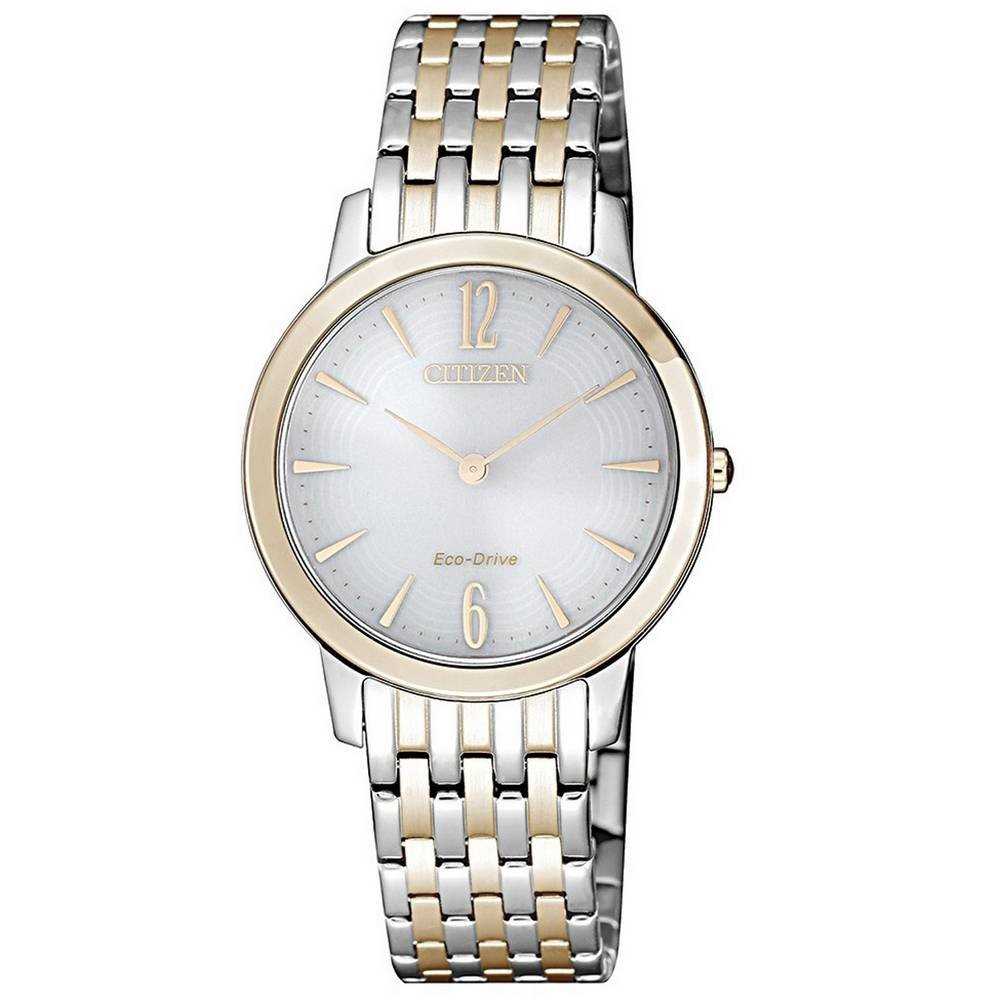
The water resistance of timepieces is indicated by specific ratings, expressing the level of protection against water ingress. Familiarizing yourself with these ratings is crucial for maintenance and longevity of your timepiece.
Common Ratings
Timepieces generally feature markings such as 30m, 50m, 100m, or 200m, each denoting suitability for certain water-related activities:
- 30m (3 ATM): Suitable for everyday wear, splashes, and brief immersion. Not recommended for swimming or bathing.
- 50m (5 ATM): Safe for brief swimming sessions and shallow water activities, but not for prolonged submersion.
- 100m (10 ATM): Ideal for swimming, snorkeling, and shallow diving. Provides greater security against water exposure.
- 200m (20 ATM): Designed for professional marine activities and surface water sports.
Factors Affecting Water Resistance
Several aspects can influence the water resistance of a timepiece:
- Age: Over time, seals and gaskets may degrade, diminishing water resistance.
- Temperature & Pressure: Sudden temperature changes can impact the integrity of seals, while deep-sea pressure may exceed the rating.
- Maintenance: Regular servicing ensures seals remain intact, retaining the specified water resistance level.
Understanding these ratings and factors helps ensure optimal care and usage of your timepiece, safeguarding it against potential water damage.
Differences Between Water-Resistant and Waterproof Timepieces
Understanding the distinctions between water-resistant and waterproof models is crucial for proper care. Water-resistant models can withstand minimal exposure to moisture, while true waterproof variants offer advanced protection against water ingress.
| Feature | Water-Resistant | Waterproof |
|---|---|---|
| Water Pressure Rating | Up to 30 meters | Over 100 meters |
| Usage Limitations | Rain, splashes | Swimming, snorkeling, rigorous water sports |
| Maintenance Requirements | Periodic checks recommended | Regular servicing essential |
| Sealing Technology | Basic gaskets | Advanced sealing systems |
Choose a model based on your intended activity to ensure longevity and performance. For casual, everyday use, water-resistant might suffice, but for serious aquatic activities, opt for waterproof options. Always refer to manufacturer guidelines for specific care instructions to maintain your timepiece’s integrity against moisture intrusion.
How to Care for Your Citizen Watch in Wet Conditions
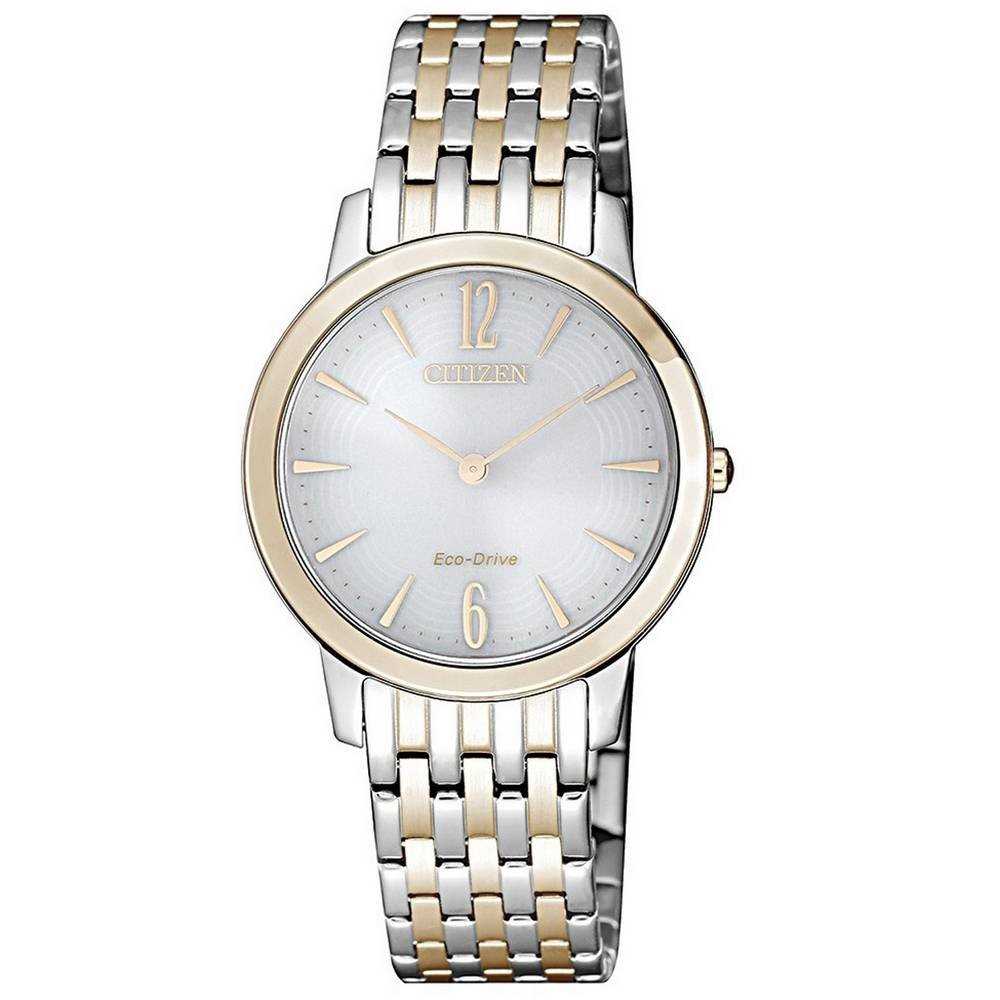
Ensure the crown is securely closed before exposure to moisture. This prevents water ingress, which can harm the movement.
After any contact with water, particularly saltwater, rinse the timepiece with fresh water. Salt can corrode materials and compromise seals, so thorough rinsing is vital.
Regularly inspect the gaskets and seals for any signs of wear or damage. These components are crucial for maintaining integrity against moisture.
Whenever you have a chance, avoid exposing the timepiece to hot water, as temperature changes may affect the seals and overall functionality.
If the instrument has been submerged or exposed to significant moisture, take it to a professional for evaluation and potential servicing. This helps in detecting issues that may not be visible externally.
Keep a record of maintenance cycles, as regular servicing is key to preserving its durability in wet environments. Follow manufacturer recommendations for service intervals, which often include checking the water resistance level.
Lastly, store the timepiece in a dry place, preferably inside a protective case. This prevents humidity buildup and prolongs its lifetime.
What to Do if Your Citizen Watch Gets Wet
Immediately remove the timepiece from any wet environment. If it has come into contact with saltwater or chlorinated water, rinse it gently with fresh water to prevent corrosion.
Dry the exterior using a soft, lint-free cloth. Avoid using heat sources such as hair dryers, as they can cause damage.
If moisture is visible under the crystal, follow these steps:
- Place the timepiece in a well-ventilated area to allow natural airflow.
- Consider using silica gel packets or uncooked rice in a container, ensuring the watch doesn’t directly contact them. This can help absorb excess moisture.
- Leave it in the drying agent for at least 24 hours.
After following these steps, schedule a professional inspection. A qualified technician can check for water damage, ensure functionality, and replace gaskets if necessary.
Regular maintenance can help prevent future issues. Familiarize yourself with the water resistance rating of your timepiece and adhere to manufacturer’s care instructions, especially in humid or wet conditions.
Popular Citizen Watch Models and Their Water Resistance Features
The Eco-Drive Promaster Diver model features water resistance up to 200 meters, making it suitable for recreational diving and other aquatic activities. Its robust case ensures durability under pressure.
The Quartz Skyhawk offers water resistance rated at 200 meters. This timepiece is equipped with a chronograph function, ideal for aviation enthusiasts, while its sealed construction protects against moisture.
Consider the Wristwatch Bluetooth variant, with a rating of 100 meters. This model balances style and functionality, allowing it to withstand splashes and brief immersion while staying connected.
The Cronoscale, known for its precision and reliability, presents a water resistance level of 100 meters. This option is perfect for individuals who engage in water sports without deep diving.
Many models incorporate a reinforced sapphire crystal, providing extra protection from water entry and scratches. Regular maintenance, such as ensuring seals are intact, enhances their longevity against moisture.
Choosing a model with an appropriate water resistance rating is crucial based on intended use. Ensure to verify the specific model’s features to select the best option for your activities.
Common Misconceptions About Citizen Watch Waterproofing
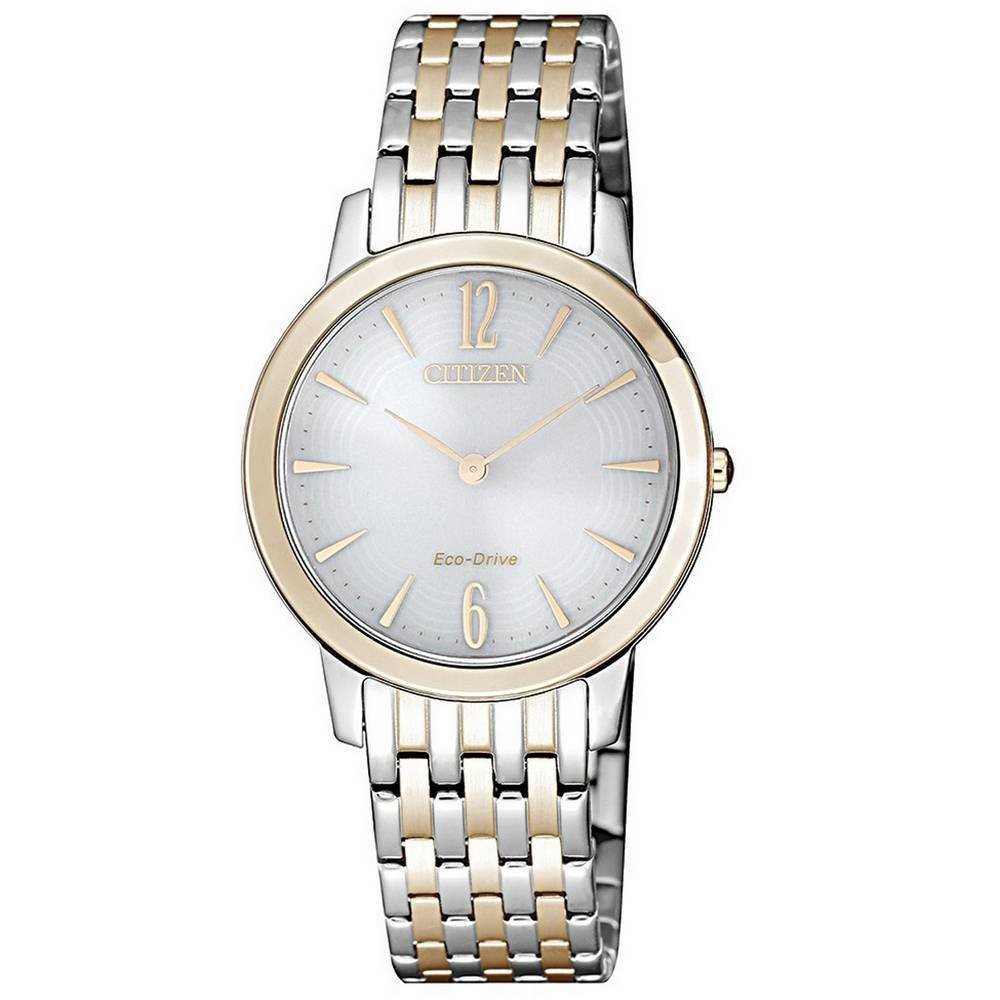
A prevalent misunderstanding is that timepieces labeled as water-resistant are suitable for all aquatic activities. Many believe that the presence of a water resistance rating means they can be worn while swimming or snorkeling without worry. However, each model has its specific limits; it’s crucial to consult the manufacturer’s specifications for guidance on what activities can be performed without risking damage.
Misconception: All Models Have the Same Specifications
Not all models share the same water protection capabilities. While models might claim certain resistance levels, actual performance can differ significantly based on design, materials, and intended usage. Rely on the detailed water resistance rating, rather than assuming uniformity across different designs.
Misconception: Regular Exposure Doesn’t Affect Water Resistance
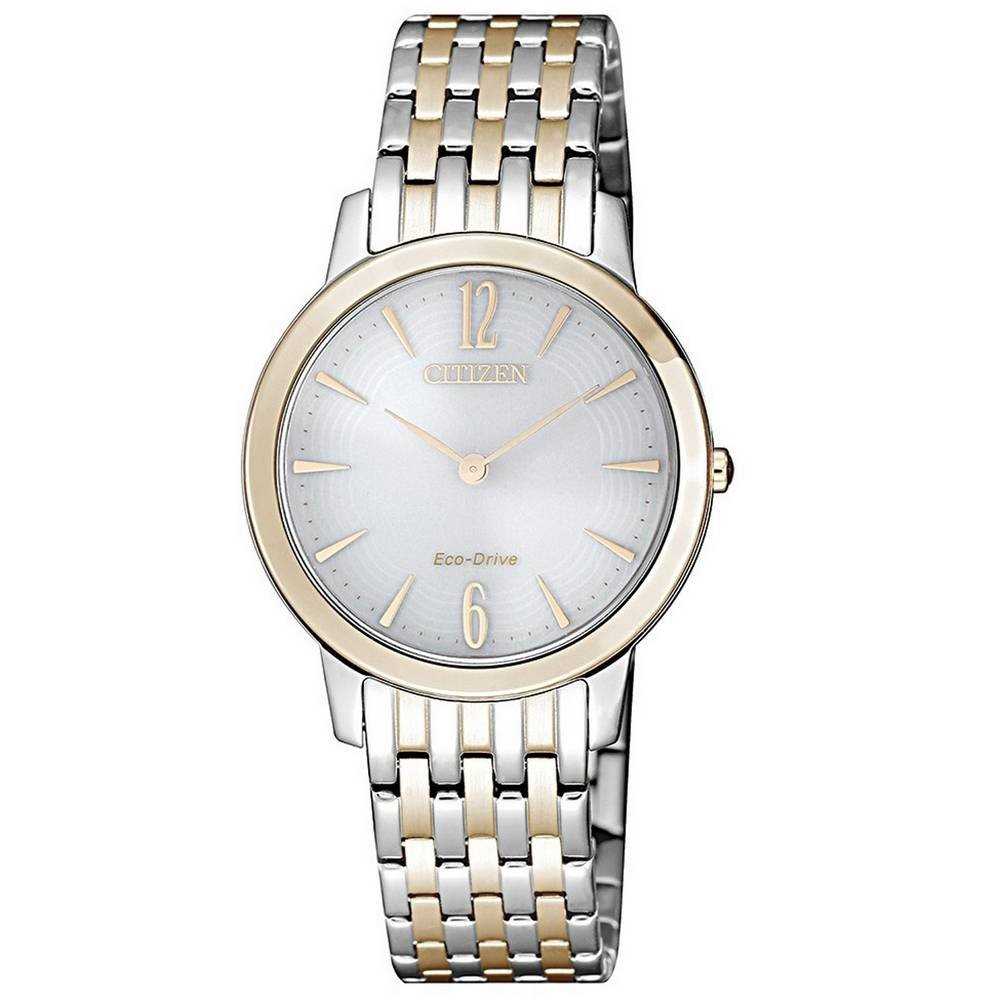
Another common belief is that regular exposure to water doesn’t impact the functionality. In reality, seals and gaskets degrade over time due to exposure to heat, chemicals, or impacts. Periodic maintenance is recommended to ensure longevity and reliability, especially after prolonged exposure to moisture.



