Ethan Cole
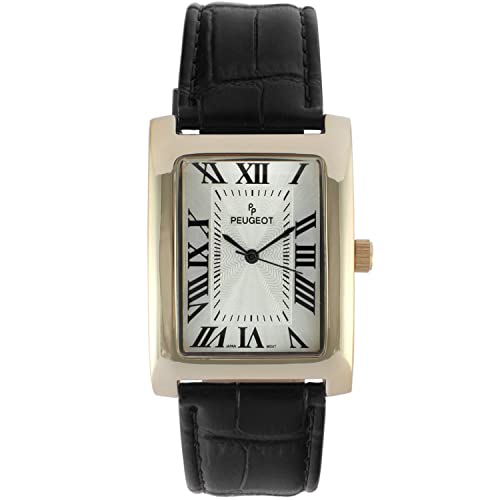
Assessing the value of vintage timepieces hinges on various factors such as brand reputation, condition, rarity, and historical significance. Certain manufacturers like Rolex, Patek Philippe, and Omega consistently command high prices due to their craftsmanship and prestige. For instance, limited editions or discontinued models can fetch remarkable sums at auctions, sometimes reaching hundreds of thousands of dollars.
Condition plays a pivotal role in determining price. A well-preserved piece with original parts, minimal wear, and an intact dial tends to hold dramatically greater value than a heavily worn counterpart. Regular servicing and proper maintenance can enhance longevity, making it easier to retain or even increase monetary value over time.
Rarity and provenance also greatly influence worth. Pieces with unique features, special editions, or those linked to significant historical events enhance desirability. Thorough research into a timepiece’s background can illuminate its significance, making such knowledge a valuable asset for potential sellers or collectors.


To accurately assess a vintage timepiece’s monetary value, consulting with expert appraisers or credible auction houses is advisable. Online platforms also provide insights into market trends, ensuring informed decisions when buying or selling such artifacts.
Valuation Factors for Timeless Timepieces
Focus on brand reputation, rarity, and historical significance to assess the financial value of vintage timekeepers. Renowned manufacturers like Rolex, Patek Philippe, and Omega frequently command higher prices due to their legacy and craftsmanship.
Condition and Authenticity
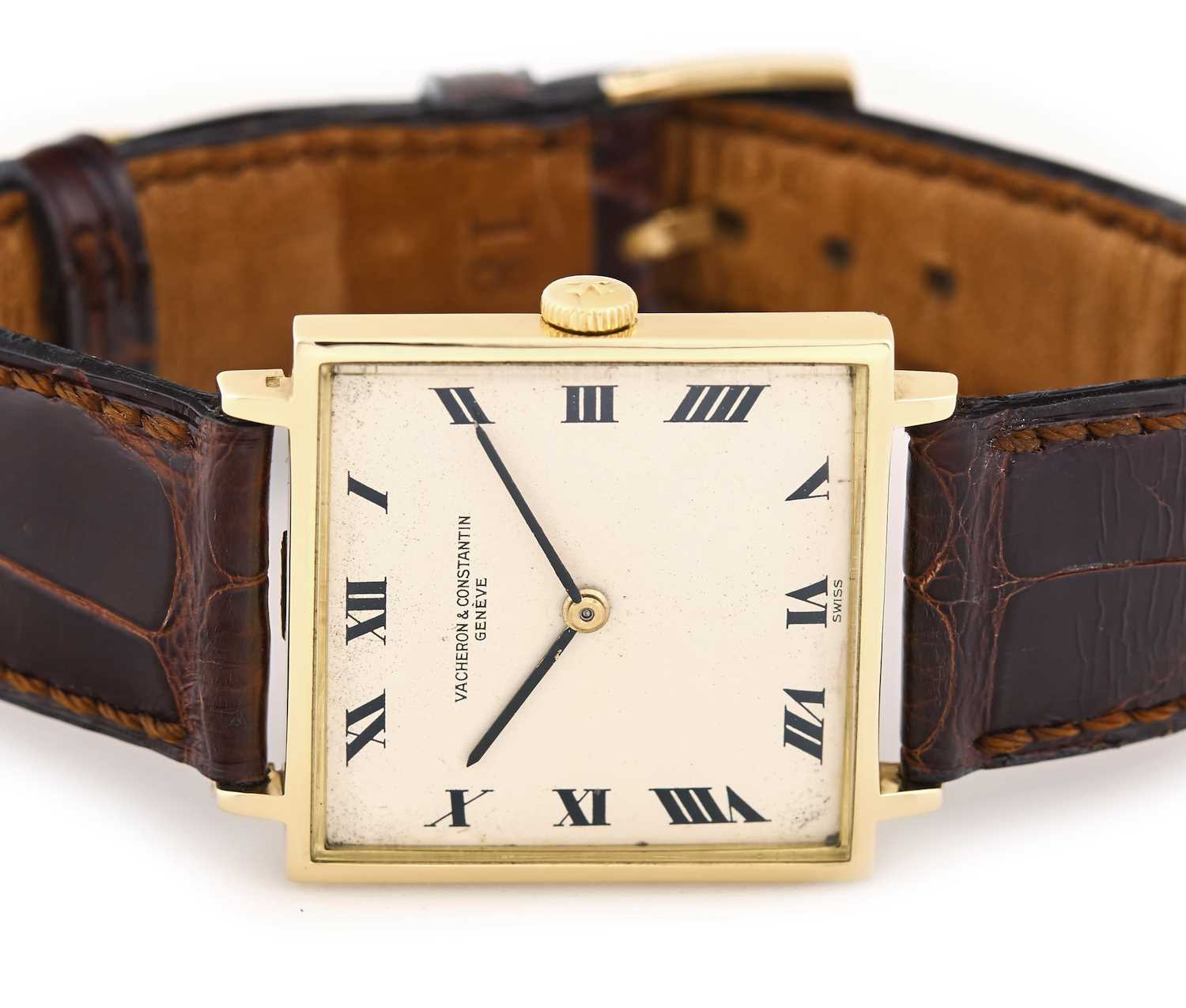
Examine the overall state and mechanical functionality of the item. Preserve original components, including dials and movements, as replacement parts can significantly diminish appeal. Verification of authenticity through documentation or expert appraisal can further enhance market interest.
Market Trends and Demand
Stay informed about current trends in the collector’s market. Certain models may experience surges in desirability due to celebrity associations or limited editions. Auctions and sales platforms reveal valuable insights into what buyers are willing to invest, providing guidance for potential sales strategies.
Assessing the Value of Vintage Timepieces
The evaluation of classic timepieces begins with authentication. Establish originality through documentation, serial numbers, and certificates. This process can significantly increase market appeal.
Next, consider condition. Look for scratches, dents, or worn-out components. A pristine state boosts value, while extensive damage diminishes it. Engage a professional watchmaker to assess and restore as necessary.
Rarity plays a critical role in pricing. Limited editions or pieces produced in smaller quantities often command higher prices. Research brand history and model availability to gauge scarcity.
Another factor is provenance. Ownership history can add substantial value. Timepieces once owned by celebrities or historical figures typically fetch premium prices at auctions. Documenting the chain of ownership enhances desirability.
Finally, market trends influence valuation. Follow auctions, sales, and collector forums to understand current demand for specific brands and models. Prices fluctuate, so staying informed is key.
| Factor | Impact on Value |
|---|---|
| Authentication | High |
| Condition | High |
| Rarity | Very High |
| Provenance | High |
| Market Trends | Variable |
Factors Affecting the Worth of Antique Timepieces
The value of vintage timepieces depends on a variety of criteria. Focus on the brand reputation; renowned manufacturers such as Rolex, Patek Philippe, and Omega typically command higher prices due to their standing in the market.
Condition and Authenticity
Examine the physical condition meticulously. Timepieces in pristine condition with original parts and documentation fetch higher prices. Restoration can be beneficial, but over-polishing or replacing original components may decrease value.
Provenance and Rarity
Investigate the history behind the piece. Limited editions, special releases, or models with notable ownership history contribute significantly to desirability. Scarcity raises market demand, thus driving up prices for rare designs.
How to Authenticate a Vintage Timepiece
Examine the watch’s serial number. Compare it with known reference numbers from the manufacturer to ensure authenticity. Each brand has specific locations for these numbers, commonly found on the case back or between lugs.
Scrutinize the logo and markings. Authentic pieces feature precise and consistent branding. Fake models may contain misspellings or irregular fonts. Refer to authentic examples for verification.
Inspect the movement. Open the case back to view the inner workings; reputable brands often have distinct movements. Look for any signs of rust or damage that could indicate wear or fakes.
Assess craftsmanship. Genuine luxury brands exhibit high-quality finishes, such as clean edges, polished surfaces, and clear engravings. Compare these characteristics with verified models.
Evaluate the materials. Find out if the components are made of precious metals, high-grade stainless steel, or quality leather as advertised. Counterfeit items may use inferior materials that do not match the original specifications.
Seek documentation. Original papers, receipts, or service records enhance reliability. Provenance can significantly affect the trustworthiness of the piece.
Consult experts or enthusiasts. Forums, watch clubs, or professional appraisers can offer insight and assistance with authentication. Their experience can help validate your findings.
Trust your instincts. If a deal seems too good to be true, it probably is. Use caution and gather as much information as possible before making a purchase.
Where to Find Buyers for Vintage Timepieces
Online marketplaces like eBay and Chrono24 provide platforms to connect with potential buyers worldwide. Create an appealing listing with high-quality images and detailed descriptions to attract collectors.
Local auctions can be an excellent option to reach enthusiasts who appreciate the artistry and craftsmanship of these items. Research auction houses specializing in collectibles to increase visibility.
Social media groups and forums dedicated to horology offer community-driven opportunities to sell. Engage with members and share your timepiece details to find interested parties.
Visit specialty shops that focus on buying and selling luxury items. Establishing relationships with reputable dealers can lead to direct sales or consignment arrangements.
Attend watch fairs and conventions where collectors gather. Networking at these events can lead to private sales and valued connections within the community.
Consider reaching out to vintage jewelry stores, as they often buy timepieces and may have a clientele seeking unique accessories.
Restoration vs. Original Condition: What’s Best?
For collectors and enthusiasts, the state of a timepiece significantly influences its desirability and market price. Restoration can enhance appearance and functionality but may also affect provenance. Consider these points when deciding on restoration versus maintaining original condition:
- Authenticity: Preserving the original state often increases appeal, especially if it maintains complete parts and components. Restoration might compromise authenticity, particularly if non-original parts are used during the process.
- Value Retention: Many buyers prefer pieces in untouched condition, which can command higher prices. Restoration might decrease value unless done by recognized experts and with original parts.
- Historical Significance: An unaltered item carries historical context, which might be lost in a restoration process. Documented history enhances the piece’s story, boosting its collectible nature.
- Market Demand: Stay informed on collector preferences. Certain brands and models perform better when untouched, while others may benefit from skilled restoration, especially if they are heavily worn.
- Expertise Required: Restorations should be undertaken by skilled artisans who understand the nuances of specific models and brands. Poor quality work can lead to significant depreciation.
In conclusion, whether to restore or retain original condition hinges on personal goals and market trends. Thorough research and understanding of your specific item will guide the best decision for maximizing value and appeal.
Common Myths About Vintage Timepiece Valuation
Misconceptions about the assessment of classic timepieces can lead to inaccurate expectations and decisions. Here are specific myths debunked:
- All Vintage Pieces Are Valuable: Not every classic model commands high prices. Factors like brand reputation and rarity play a significant role in their market value.
- Age Equals Value: Mere age does not guarantee a high valuation. Instead, condition, craftsmanship, and historical significance are crucial indicators.
- High Retail Prices Indicate Worth: Prices set by retailers can be inflated compared to actual market demand. Research recent sales for accurate valuation.
- All Brands Appreciate Over Time: While some brands are known to increase in value, others can depreciate. Monitor market trends and specific models for a realistic perspective.
- Restoration Always Increases Value: It’s not a certainty that restored pieces will fetch higher prices. Original components and authenticity are often preferred by collectors.
- Vintage Equals Quality: Some older models may not feature the craftsmanship or technology found in contemporary designs. Evaluate each piece on its merits.
Understanding these myths is essential for anyone interested in the financial potential of classic timepieces. It leads to informed buying or selling decisions based on factual data rather than assumptions.
FAQ:
Are vintage wrist watches really valuable?
Yes, vintage wrist watches can vary significantly in value. Factors such as brand, condition, rarity, and demand play a crucial role in determining their worth. Brands like Rolex, Patek Philippe, and Omega often possess higher resale values. Additionally, limited edition models or those with historical significance can appreciate over time, making them potentially lucrative investments.
What should I look for to assess the value of an old wrist watch?
To evaluate the value of an old wrist watch, consider the following aspects: The brand reputation is essential as some manufacturers are more sought after than others. Check the watch’s condition, including the functionality of the movement and the state of the case and dial. Look for original documentation or boxes, as these can enhance value. Additionally, research the model’s rarity and the current market demand for similar watches. Consulting a professional appraiser or watch dealer can also provide insights into value.
Can I sell my old wrist watch, and how do I find out its worth?
Selling an old wrist watch is definitely possible, and there are several steps to determine its worth before doing so. Start by obtaining a professional appraisal, which will provide a detailed assessment based on brand, model, condition, and market trends. You can also conduct online research, comparing similar models on auction sites or watch marketplaces. Once you have a price range, consider selling it through platforms like online auctions, designated watch forums, or through local jewelers and watch dealers. Each option has different advantages, so choose one that suits your needs best.