
 Ethan Cole

Each timepiece has a specific water resistance rating that determines its ability to withstand moisture. Many models are designed to handle splashes, rain, or even short-term immersion in water, indicated by a rating measured in meters or atmospheres.
For reliable use in wet conditions, check the manufacturer’s specifications carefully. Common ratings include 30 meters, 50 meters, and 100 meters. A 30-meter rating typically means it can withstand minor splashes, while a 100-meter rating allows for swimming and snorkeling. For scuba diving, look for models rated at 200 meters or more.
While some brands offer enhanced seals and protective features, it’s essential to know that even the most robust timepieces can be compromised if the crown is not securely locked or if the gaskets are worn out. Regular maintenance and checks can extend the life of your accessory against moisture.
Timex Water Resistance Levels
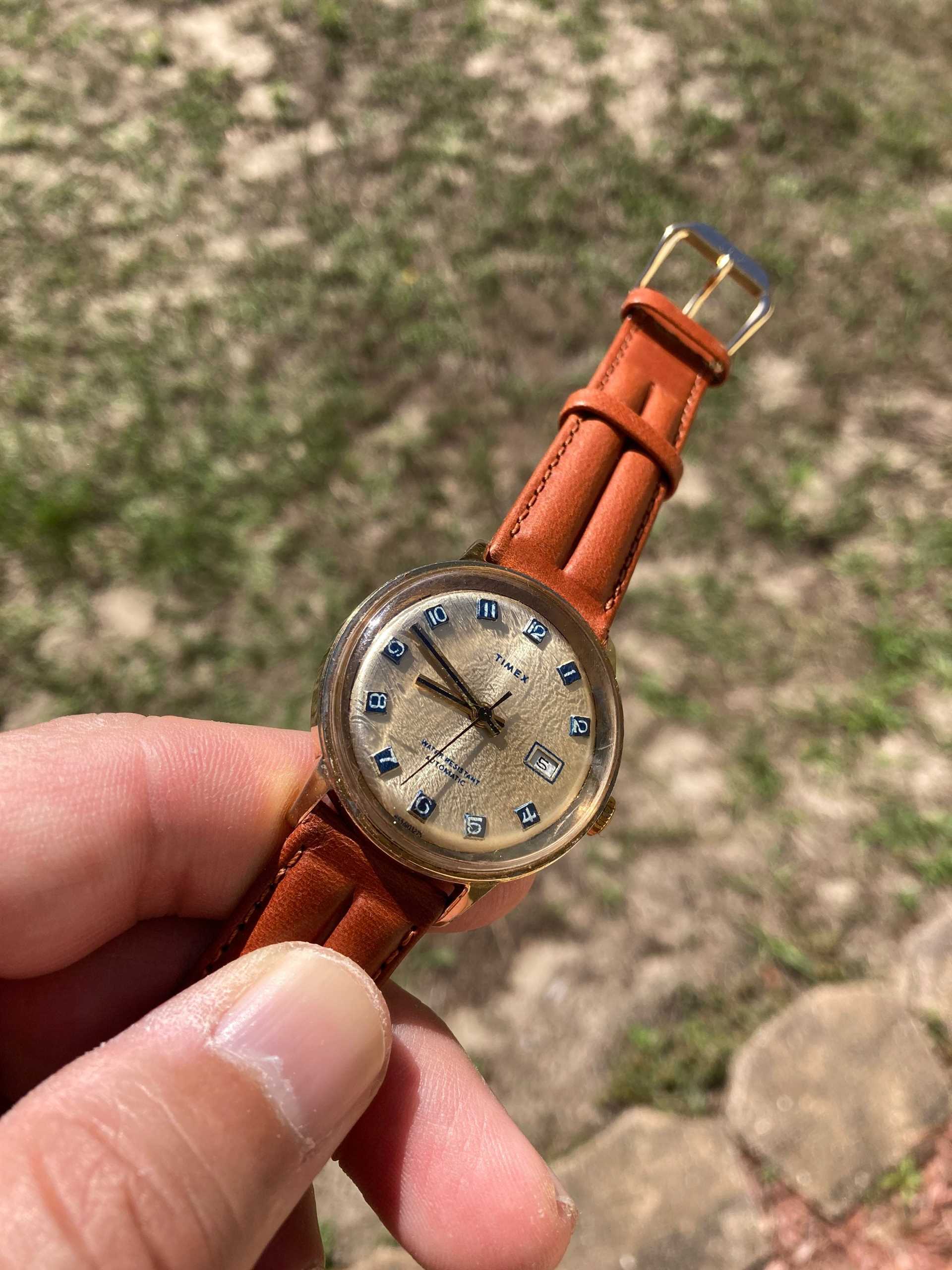
Most models feature varying degrees of water resistance, which can be classified primarily into three categories:


- 30 meters (3 ATM): Suitable for everyday use, such as splashes and rain, but not for swimming or bathing.
- 50 meters (5 ATM): Appropriate for surface swimming and brief immersion, but should not be used for diving.
- 100 meters (10 ATM) and above: Designed for recreational diving and extensive water activities. These models can withstand deeper water pressures.
Checking the specifications prior to purchase can ensure that the selected model meets your intended activity level.
Care Guidelines for Water-Resistant Models
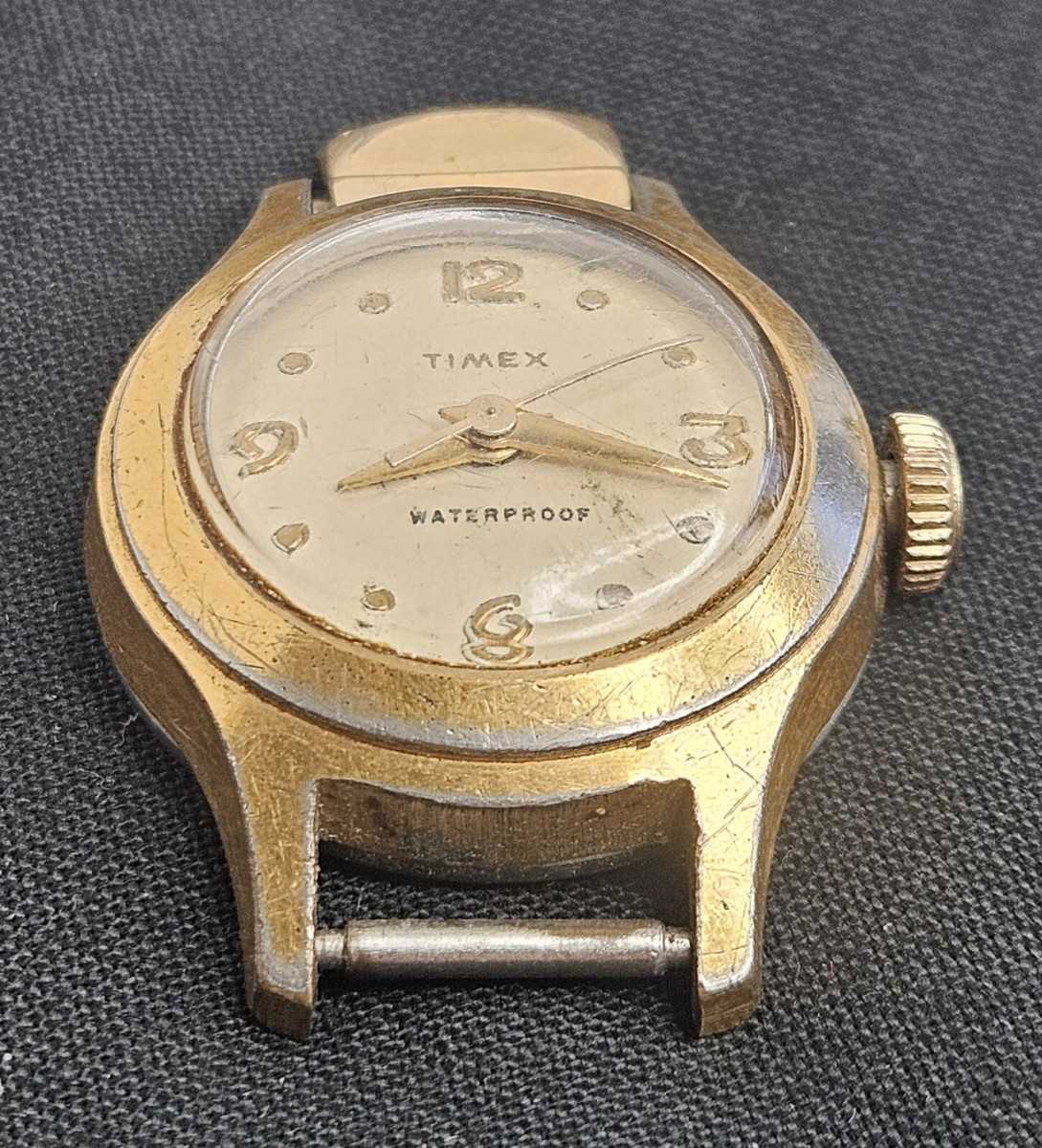
To maintain the integrity of these timepieces, consider the following:
- Ensure the crown is fully pushed in or screwed down before exposure to moisture.
- Avoid sudden temperature changes, as they might compromise the seals.
- Regularly test water resistance at a qualified service center, especially after battery replacements.
Proper care prolongs the lifespan and functionality of these items, ensuring continued performance in wet conditions.
Understanding Timex Water Resistance Ratings
Timex offers a range of models with varying degrees of water resistance, categorized by specific ratings. These ratings inform users about the level of exposure the device can handle without damage.
Ratings are typically expressed in meters (m) or atmospheres (ATM). For instance, a watch rated at 30m provides basic resistance, suitable for light splashes or rain. Models rated at 50m can withstand brief immersions, making them ideal for swimming in shallow waters.
For serious water exposure, look for options rated at 100m or above. These can endure recreational swimming and snorkeling. It’s important to note that ratings can be affected by aging, temperature changes, and pressure variations.
Always refer to the manufacturer’s instruction for care and limitations to maximize longevity. Avoid pressing buttons underwater, and be cautious of sudden temperature changes that may compromise seals.
Regular maintenance, including battery changes, should be performed by professionals to ensure seal integrity. Understanding these ratings will help you choose the right model for your lifestyle, ensuring durability and performance in aquatic environments.
Comparing Different Timex Watch Models for Water Resistance
The Ironman series offers a reliable choice for active individuals. Models like the Ironman Classic come with a water resistance rating of 100 meters, suitable for swimming and light water activities. Meanwhile, the Ironman R300 is designed with a 50-meter rating, accommodating daily wear with some resistance to splashes.
Exploring the Expedition range reveals diversity in capabilities. The Expedition Scout model provides a water-resistant feature up to 50 meters, ideal for casual outdoor activities. However, the Expedition WS4, geared toward adventurers, boasts enhanced durability with a water resistance of 100 meters, perfect for rugged conditions.
In the Casual collection, the Weekender models generally maintain a modest 30-meter rating, suitable for everyday wear but not recommended for prolonged exposure to water. Nonetheless, the Weekender Chronograph can withstand splashes, balancing style and practicality.
| Model | Water Resistance Rating (meters) | Ideal Use |
|---|---|---|
| Ironman Classic | 100 | Swimming & Light Activities |
| Ironman R300 | 50 | Daily Wear |
| Expedition Scout | 50 | Casual Outdoor Activities |
| Expedition WS4 | 100 | Rugged Conditions |
| Weekender | 30 | Everyday Wear |
| Weekender Chronograph | 30 | Stylish & Practical Use |
In summary, selecting a model based on water resistance needs depends on lifestyle and intended activities. The right choice ensures both durability and functionality, catering to various activities while maintaining style.
How to Properly Maintain and Care for Waterproof Timex Watches
Ensure the seals are intact by regularly checking the case back and crown. A worn or damaged seal can compromise water resistance. If any signs of wear appear, consider having it replaced by a professional.
Store these timepieces in a dry environment, away from humidity or extreme temperatures. Excess moisture can permeate the casing, leading to internal damage.
Rinse the exterior with fresh water after exposure to saltwater or chlorine. Minerals and chemicals can corrode metal components over time, so a gentle wash can help maintain the finish.
Wipe it down with a soft, dry cloth after exposure to sweat or moisture. This simple step prevents residue buildup that might affect the appearance and functionality.
Service regularly according to the manufacturer’s recommendations. A professional check-up ensures components such as gaskets and seals are functioning correctly, maintaining the desired levels of protection.
Avoid pressing the pushers or adjusting settings while submerged. This habit can result in water intrusion and damage to the movement.
Take care of the crystal surface. Avoid sharp objects and extreme conditions that could cause scratches or breaks, which can lead to vulnerability against moisture.
Activities Suitable for Wearing Timex Timepieces in Water
Swimming in pools or calm lakes is a great way to showcase the durability of these timepieces. Models rated for 100 meters are particularly ideal, offering protection against splashes and brief immersions.
Snorkeling
For shallow snorkeling adventures, models designed with higher water resistance ratings can be used. They stand up to immersion in saltwater, although rinsing them afterward is recommended to prevent corrosion from salt deposits.
Water Sports
Engaging in activities like paddleboarding, kayaking, or jet skiing is suitable for robust timepieces. Ensure the model can withstand constant exposure to water without compromising its functionality or design.
Always consult the manufacturer’s specifications regarding the water resistance of the specific model to ensure appropriate usage in aquatic environments.
Common Misconceptions About Water Resistance in Timex Products
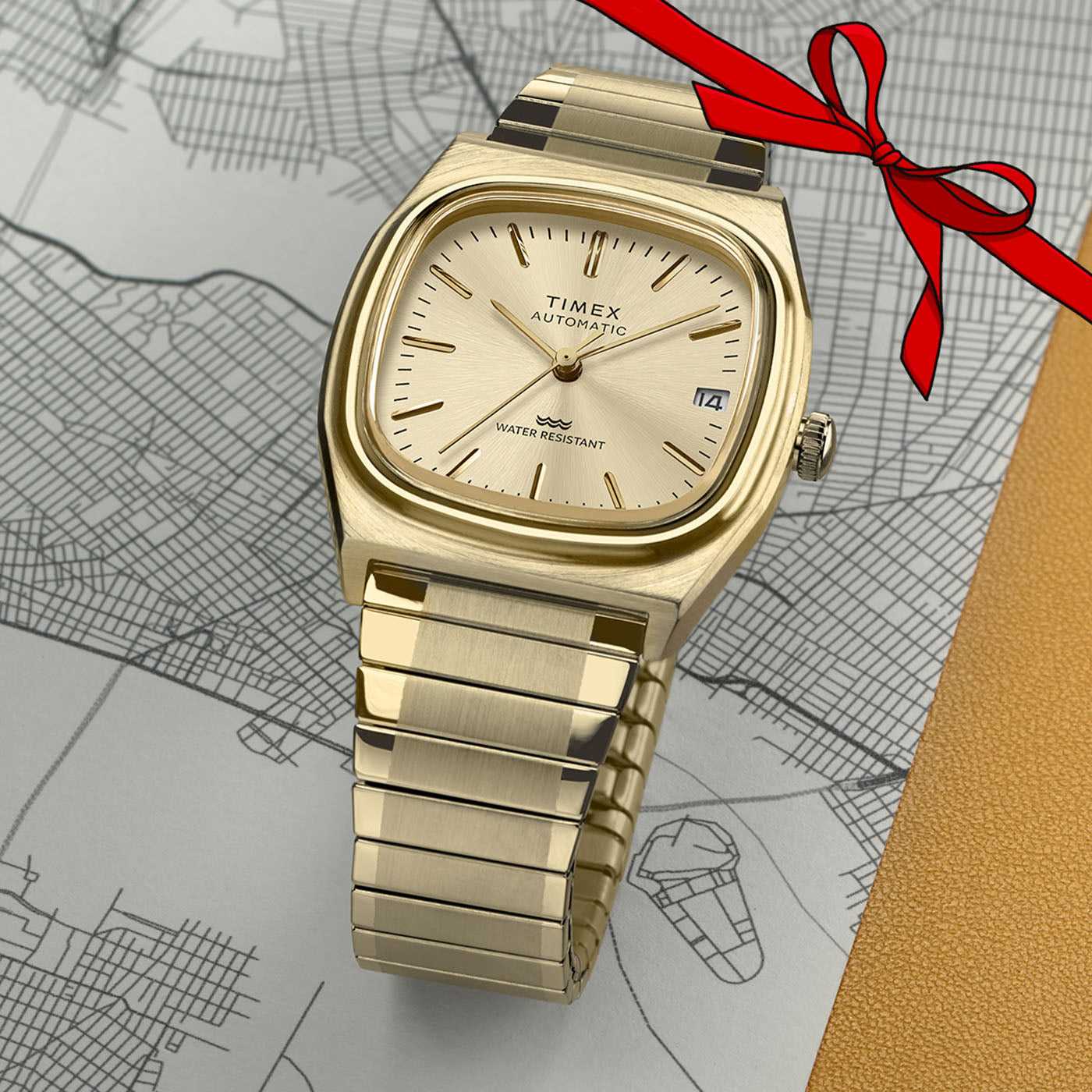
One prevalent myth is that all products from this brand are designed to withstand all conditions. In reality, water resistance varies significantly across different models, influenced by their specific features. A model rated at a depth of 30 meters is only suitable for splashes, not for swimming or bathing.
Many believe that a higher water resistance rating ensures complete protection. While it’s true that a 100-meter rating offers better defense, misuse or exposure to extreme conditions can still compromise the seal, leading to damage. Resistance ratings do not guarantee invincibility; proper care remains essential.
Some users assume that if a timepiece has a water resistance label, it does not require any maintenance. Regular inspection for damage and gasket integrity is necessary to maintain waterproof qualities. Rubber seals can deteriorate over time, necessitating replacement for continued protection.
Another misconception is that exposure to humidity or sweat does not affect water resistance. Corrosion can occur in such environments, impacting the longevity of the seals. It’s wise to take off the timepiece during intense physical activities or periods of excessive moisture exposure.
The belief that temperature variations do not influence the durability is also incorrect. Extreme heat or cold can weaken gaskets, compromising their protective abilities. Maintaining the timepiece at moderate temperatures is advisable.
Relying solely on the stated water resistance without understanding the specific capabilities of the model can lead to unfortunate outcomes. Always consult the manufacturer’s guidelines and adhere to recommended usage scenarios to ensure the longevity and functionality of your accessory.



