
 Ethan Cole

For those seeking a perfect fit, many timepieces can indeed have their sizing modified. This is done by adding or removing links, or adjusting the clasp. Depending on the model, some styles offer micro-adjustments to accommodate various wrist sizes.
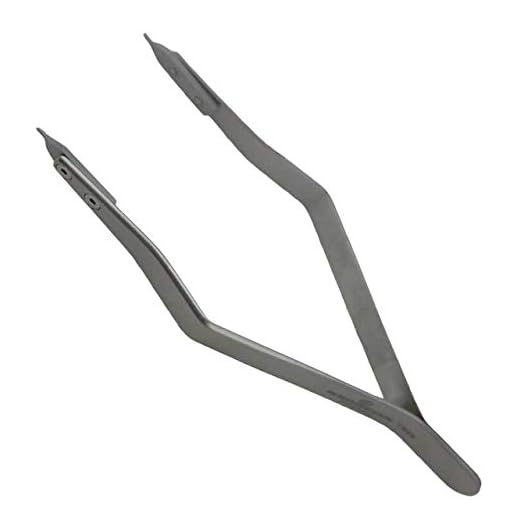
Manufacturers typically provide detailed instructions on how to achieve this. It can be helpful to consult the user manual or visit an authorized retailer for assistance. Basic tools, like a pin pusher or a small screwdriver, might be necessary for self-adjustments, while professionals possess the expertise to perform this task quickly and accurately.

Understanding the sizing range of a specific model is vital. Measure around the wrist with a flexible tape measure to determine the current size. With this information, adjustments can be made to achieve a snug, comfortable feel without compromising the aesthetic appeal of the accessory.
Adjustability of Timepiece Bands
Yes, many timepieces come equipped with bands that can be altered to fit different wrist sizes. The adjustment process varies based on the specific type of band used. Below are detailed methods for modifying the length of various band styles.
Metal Links
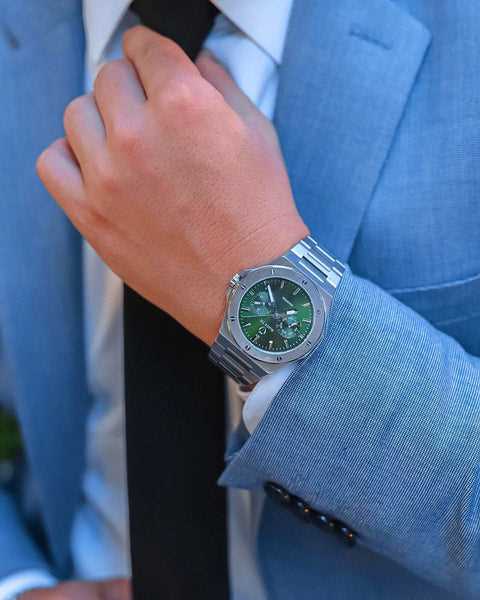
For those with metal bands featuring links, removing or adding links is necessary for size adjustments. Most of these bands are equipped with small pins or screws to facilitate removal. A simple toolkit, including a link removal tool or a small screwdriver, is recommended for this purpose. Ensure to measure the wrist beforehand to determine the optimal number of links to adjust.
Leather and Fabric Straps
Leather and fabric options typically come with pre-punched holes for size adjustments. To create a tighter fit, utilize the existing holes, or if a more precise alteration is needed, new holes can be punched using a leather hole punch. It is crucial to maintain the integrity of the material while doing so.
| Type | Adjustment Method | Tools Needed |
|---|---|---|
| Metal Bands | Remove/Add links | Link removal tool, screwdriver |
| Leather Straps | Use existing holes or punch new ones | Leather hole punch |
| Fabric Straps | Adjust via buckle or existing holes | None required |
For silicone or rubber options, simply adjust the buckle or clasp as needed. Regular checks for fit after adjustments are advisable to ensure comfort and security during wear.
Understanding Watch Size and Fit
For a comfortable wear, selecting the right dimensions is crucial. Aim for a timepiece that complements your personal style while ensuring a snug fit. Here are specific factors to consider:
- Case Diameter: Measure the width of the timepiece. A diameter of 34mm to 40mm suits smaller wrists, while 40mm to 44mm accommodates larger sizes.
- Lug to Lug Width: This measurement affects how the piece sits on the arm. A shorter lug-to-lug distance is better for smaller arms, promoting comfort.
- Thickness: Thicker models can feel bulky. Ideally, select a slim profile for a lighter feel.
- Band Width: Proportionality matters. A narrower band (18mm to 20mm) pairs well with smaller cases.
- Weight: Heavier timepieces may become uncomfortable over long periods. Choose materials that balance durability with lightness.
Trying different models can provide insights into which features work best for individual preferences. Adjustments are often necessary to achieve the desired snugness and style. Analyze your wrist shape, overall arm size, and lifestyle for optimal results.
Types of Watch Bands and Their Adjustability
Metal straps often feature removable links to customize fit. Most designs include spring bars or screws for link removal, allowing for precise adjustment.
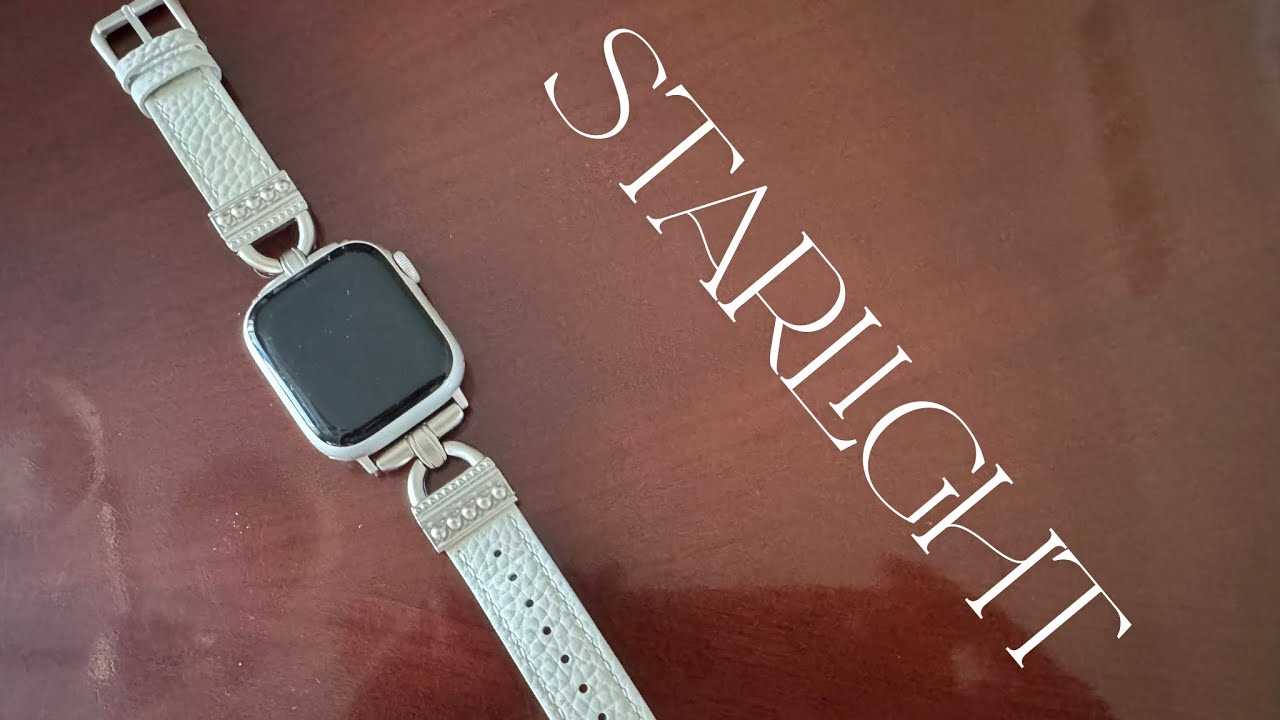
Leather bands offer limited flexibility; however, many come with multiple holes for sizing. Choosing the correct hole ensures a snug but comfortable fit.
Rubber and silicone alternatives typically allow for stretch to accommodate various wrist sizes. Certain models include adjustable buckles to enhance comfort and security.
Textile options such as NATO or Velcro straps provide versatility; they usually permit a range of fits and can be adjusted simply by weaving the strap through intended slots.
Smartwatches often come with bands that can interchange quickly. Swapping bands gives the freedom to choose between styles, contributing to personalized comfort and aesthetics.
Understanding the type of band influences the overall comfort and suitability. Make informed choices for the best wearing experience.
How to Measure Your Wrist for a Perfect Fit
Using a flexible tape measure, wrap it around the narrowest part of your arm just above the bone. Ensure it’s snug but not tight, as comfort is key. Record the measurement in millimeters or inches for accuracy.
Alternative Measurement Methods
If a tape measure isn’t available, use a piece of string or paper. Wrap it around the area, mark where it overlaps, then measure the length against a ruler. This method yields an effective result as well.
Choosing the Right Size
After obtaining a measurement, consult the brand’s sizing chart, as sizes can differ between styles. Aim for a strap that provides a slight room for adjustment, ensuring easy movement without discomfort.
Step-by-Step Guide to Adjusting Metal Bands
To modify a metal band, follow these detailed steps for optimal results.
Tools You Will Need
Gather the following tools before beginning:
- Spring bar tool or push pin tool
- Small hammer
- Pliers (optional)
- Soft cloth or mat (to prevent scratches)
Adjusting the Band
1. Prepare the Workspace: Place a soft cloth on the surface where you will work to avoid damage.
2. Identify Link Removal Points: Examine the links in the band. Look for small arrows on the back indicating which side of the pin to push out.
3. Insert the Tool: Use the spring bar tool to carefully push the pin in the direction of the arrow. Apply gentle pressure to avoid damaging the links.
4. Remove Links: Once the pin is loosened, pull it out completely. Continue this process for the desired number of links.
5. Reattach the Band: Align the remaining links and insert the pin back into the holes. Make sure it is securely in place.
6. Test the Fit: Put the modified piece on your wrist to verify the fit. Make further adjustments if necessary.
Always handle components with care to maintain the integrity of the accessory. If uncomfortable with the procedure, seek assistance from a professional jeweler.
Adjusting Leather and Fabric Straps
For leather and fabric bands, adjusting the fit can be straightforward. Here are steps for effective modifications:
- Leather Straps:
- Locate the holes on the strap. Select a hole that provides a comfortable fit.
- If adjustment is required beyond existing holes, consider using a leather hole punch to create new ones.
- Be cautious with the punch to maintain the strap’s integrity.
- Fabric Straps:
- Identify the sliding buckle or adjustment mechanism. Pull gently to adjust the strap length.
- For Velcro fasteners, simply unstick and reposition for a secure fit.
- Ensure the strap is taut, but not overly tight, to ensure comfort during wear.
- General Maintenance:
- Regularly clean leather with a suitable conditioner to prevent wear and tear.
- Fabric straps should be washed according to care instructions to maintain appearance.
Adjustments for these materials can enhance the user experience by ensuring proper fit and comfort during varied activities.
When to Seek Professional Help for Adjustments
If you notice discomfort or experience pain while wearing your timepiece, it’s advisable to consult an expert. An improper fit can lead to skin irritation or restricted blood circulation. Look for these specific signs to determine if professional assistance is needed:
Signs of Discomfort
A watch that feels too tight may cause red marks or indentations on the skin. If you encounter such symptoms, a jeweler or watch technician can provide the correct adjustments to ensure comfort.
Complex Band Types
For intricate strap designs, such as those with integrated clasps or links, seeking expert help is wise. These types often require specialized tools and techniques to ensure that you don’t inadvertently damage the band. Professionals have the experience and expertise to handle such complexities.
Additionally, if you’re considering replacing a band due to its condition or style, utilizing a professional service ensures a proper fit that maintains the integrity of your piece.
Attempting adjustments without proper knowledge can lead to irreversible damage. If uncertain about any procedure, it’s best to consult someone with expertise.


