
 Ethan Cole

For those who appreciate craftsmanship and style, investing in a fine timepiece remains a rewarding choice. Sales data from luxury brands indicate a steady growth in unit sales, with high-end models seeing significant demand even amidst digital competition. This illustrates a continued affinity for tangible, ornate accessories that signify status and taste.
Recent surveys show that over 60% of consumers aged 25-45 consider a well-crafted timepiece an essential accessory to their wardrobe. This demographic values not just functionality, but the artistry that comes with design and heritage. Brands are responding by introducing diverse collections that cater to both traditionalists and modern aesthetics.
Moreover, the rise of smart technology has not diminished the allure of classic designs. Instead, many are pairing their digital devices with mechanical or quartz alternatives, appreciating the unique characteristics each offers. This duality of usage underscores a culture where both innovation and craftsmanship can coexist harmoniously.
Wrist Timepieces in Modern Fashion
Vintage and contemporary designs cater to diverse tastes, ensuring that mechanical and quartz models find their place on numerous wrists. The resurgence of analog styles speaks to an audience eager for craftsmanship and aesthetics. With brands releasing limited editions and collaborations, enthusiasts seek out unique pieces, making collecting an exciting pursuit.
Functionality and Tech Integration
Advancements in wearable technology complement traditional pieces, enhancing functionality without overshadowing style. Smart features integrated into classic designs attract tech-savvy individuals, blending fashion with practicality. These hybrid models appeal to those who value both elegance and connectivity in their daily lives.


Symbolism and Status
Owning a well-crafted timepiece often represents sophistication and personal achievement. Fashion influencers and celebrities frequently showcase their collections on social media, driving interest. High-end brands contribute to status elevation through marketing strategies that accentuate exclusivity, influencing purchasing behavior among consumers looking for luxury items.
Trends in Wrist Watch Sales Over the Last Decade
Sales in the timepiece market have exhibited noticeable fluctuations in the past ten years, largely influenced by shifts in consumer preferences and advancements in technology. Mechanical models, particularly luxury brands, have shown resilience against the rise of smart devices, maintaining a strong foothold among collectors and aficionados.
Luxury Segment Resilience
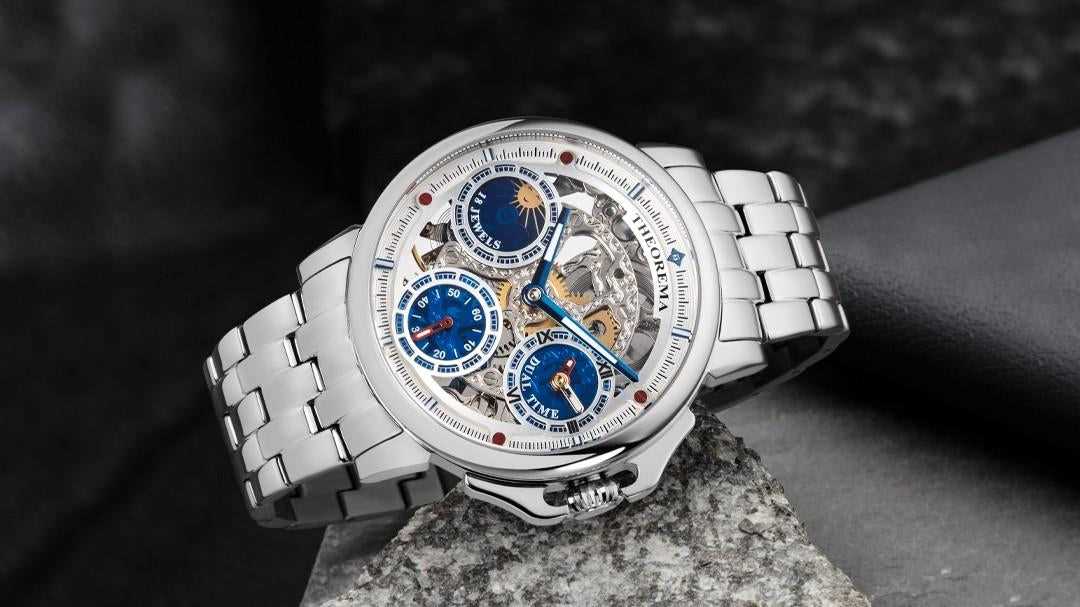
The high-end segment has experienced steady growth, with brands like Rolex and Patek Philippe reporting record sales figures. This trend underscores the appeal of craftsmanship and heritage, drawing in affluent consumers who favor status-symbol items. Research indicates that approximately 50% of luxury timepiece sales come from pre-owned markets, reflecting a rising interest in sustainability and vintage pieces.
Smart Technology Integration
Conversely, the integration of technology into traditional designs has resulted in a new market segment. Hybrid models combining analog displays with smart capabilities have gained traction, appealing to tech-savvy individuals who value both aesthetics and functionality. Analysts note a marked increase in sales of hybrids, which are projected to capture a larger portion of the market as advancements continue. This adaptation indicates a broader acceptance of novel features while retaining classic charm.
The Impact of Smartwatches on Traditional Timepieces
Smart devices have undeniably influenced the market for analog timekeepers. With enhanced functionalities like health tracking, notifications, and customizable interfaces, these gadgets attract a younger demographic, pulling them away from classic designs.
Market Shift and Consumer Preferences
Current statistics reveal a significant shift: in 2022, approximately 45% of watch buyers chose electronic alternatives, reflecting a continuous increase in smart device adoption. Traditional brands have responded by incorporating technology into their offerings, blurring lines between functionalities.
| Year | Smartwatch Sales (millions) | Traditional Timepiece Sales (millions) |
|---|---|---|
| 2018 | 38 | 90 |
| 2019 | 59 | 80 |
| 2020 | 75 | 70 |
| 2021 | 90 | 65 |
| 2022 | 130 | 60 |
Adapting to the Challenge
Classic brands are innovating, integrating smart features while maintaining the essence of analog craftsmanship. Hybrid models are emerging as a solution, appealing to traditionalists who desire modernization without sacrificing aesthetic values.
Future strategies should involve a focus on craftsmanship combined with technology, leveraging unique selling propositions such as exclusivity and heritage to stand out in a technologically advanced marketplace.
Why Collectors Value Mechanical Timepieces
The allure of mechanical timepieces lies in their craftsmanship, history, and the intricate mechanics that power them. Collectors appreciate these attributes for several reasons:
- Craftsmanship: Each piece represents the dedication of skilled artisans. The intricate movements, often consisting of hundreds of tiny parts, are a marvel of engineering. Brands like Patek Philippe and Audemars Piguet are renowned for their meticulous attention to detail.
- Heritage: Many brands boast storied histories, conveying a legacy that enhances their appeal. Collectors often seek brands that have been around for decades, linking them to significant events or traditions in horology.
- Aesthetics: The beauty of mechanical designs attracts enthusiasts. Unique dials, case materials, and styles cater to diverse tastes, making these pieces versatile accessories.
- Investment Potential: The value of select pieces can appreciate significantly over time. Rare models become sought-after collectibles, providing potential financial returns.
- Connection: Owning a mechanical piece offers a tactile experience that resonates with collectors. The sounds of a ticking movement and the winding process create a bond between owner and timepiece.
Collecting mechanical timekeepers transcends mere ownership. It embodies a passion for horology, connecting enthusiasts through shared appreciation and knowledge.
Demographics: Who is Buying Timepieces Today?
Young professionals aged 25-35 are leading the charge in acquiring elegant timepieces, valuing style and status. These individuals are drawn to brands that reflect their identity and aspirations.
- Millennials: This group actively seeks unique designs and brands with strong narratives. Their preference leans towards limited editions and collaborations with artists.
- Generation Z: Including younger buyers who admire vintage styles, they are attracted to the storytelling aspect of traditional timekeeping, leading them to embrace heritage brands.
Collecting appeals to various age groups, but middle-aged enthusiasts (35-55) often invest in classic models, focusing on craftsmanship and legacy. They appreciate pieces that maintain their value over time.
- Gender Trends: Female consumers have increasingly become significant players in this market, motivated by elegance and diversity in choices. Brands are responding by designing collections tailored specifically for women.
- Luxury Market: High-net-worth individuals are consistently purchasing premium models, often viewing them as status symbols and investment opportunities.
Online shopping has transformed how enthusiasts acquire their pieces, with younger generations favoring digital platforms for their convenience. In-store experiences remain vital for high-value purchases, as personal interaction reinforces trust.
Ultimately, the demographic landscape continues to shift, revealing diverse motivations behind the acquisition of timepieces across various segments. Brands are advised to tailor their strategies to cater to these evolving consumer preferences.
The Role of Fashion in Timepiece Popularity
Fashion significantly influences the appeal of timepieces, acting as a catalyst for trends and consumer preferences. High-profile endorsements, collaborations with luxury brands, and strategic marketing campaigns elevate specific models, making them desirable collectibles. For instance, the introduction of eco-conscious materials in fashion-forward designs has attracted a younger audience, blending sustainability with style.
Notable Influences and Collaborations
Recent partnerships between traditional brands and fashion houses result in limited-edition collections that generate buzz and exclusivity. These collaborations often leverage social media and influencer marketing, amplifying visibility and sparking interest among fashion enthusiasts. Additionally, watch styles that align with current fashion trends–such as minimalist designs or bold colors–capture attention and boost sales.
Changing Consumer Preferences
The shift towards personalization in fashion also extends to timepieces. Customizable options allow consumers to express individuality, fostering a strong connection to their accessories. This trend aligns with the growing demand for unique pieces that tell a personal story. Fashion-forward designs, paired with technological advancements, cater to a demographic that values both aesthetics and function, ensuring continued relevance in a competitive market.
How to Choose a Timepiece That Retains Value
Select brands known for their heritage and craftsmanship. Renowned manufacturers like Rolex, Patek Philippe, and Audemars Piguet have a historical track record of retaining value. Research models that have shown consistent demand over time.
Material and Craftsmanship
<p Favor materials such as stainless steel, gold, or platinum, as they withstand wear and often appreciate in value. The quality of craftsmanship is vital; look for features like intricate movements and limited editions that signal exclusivity. Movement types, including automatic or manual, often maintain higher value compared to quartz alternatives.
Condition and Provenance
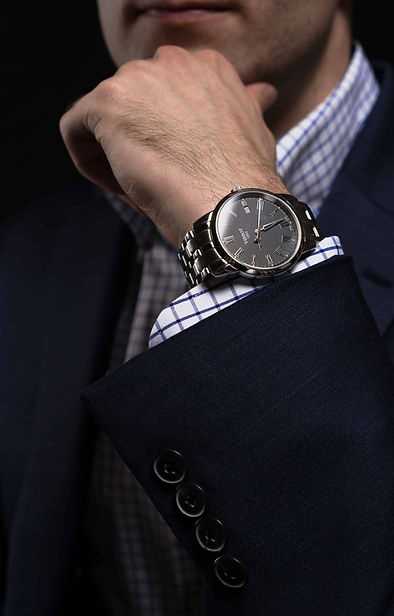
Ensure the piece is in excellent condition. Regular service records and original boxes or papers significantly enhance resale value. A detailed history can also add to desirability; provenance matters, especially for limited-edition or rare pieces.



