Ethan Cole
The common practice involves placing a timepiece on the nondominant arm, which for many individuals is the left. This positioning minimizes the risk of damage while ensuring easy access for checking the time during daily activities. Nonetheless, a growing number prefer donning their timepieces on the opposite arm for various reasons, including comfort, style, and tradition.
One key reason for choosing the right arm is functionality. For those who frequently engage in activities requiring the use of their dominant hand, positioning the timepiece on the right promotes unobstructed movement. Additionally, certain style preferences arise from cultural influences or personal aesthetics. Many individuals feel that wearing a timepiece on the right arm complements their overall look more effectively.
There is no strict rule dictating the placement of a timepiece. Ultimately, the best decision aligns with personal comfort and practical considerations. Experiment with different positions to determine what feels most natural and suits individual lifestyle needs.
Are You Wearing a Timepiece on Your Right Side?
Preference for placement varies among individuals. Many opt for the left side due to practical reasons, but wearing a timepiece on the right can offer unique benefits.


Consider the following guidelines for right-side adornment:
- Choose a design that complements your dominant hand’s activity. If left-handed, this choice may provide more comfort while performing tasks.
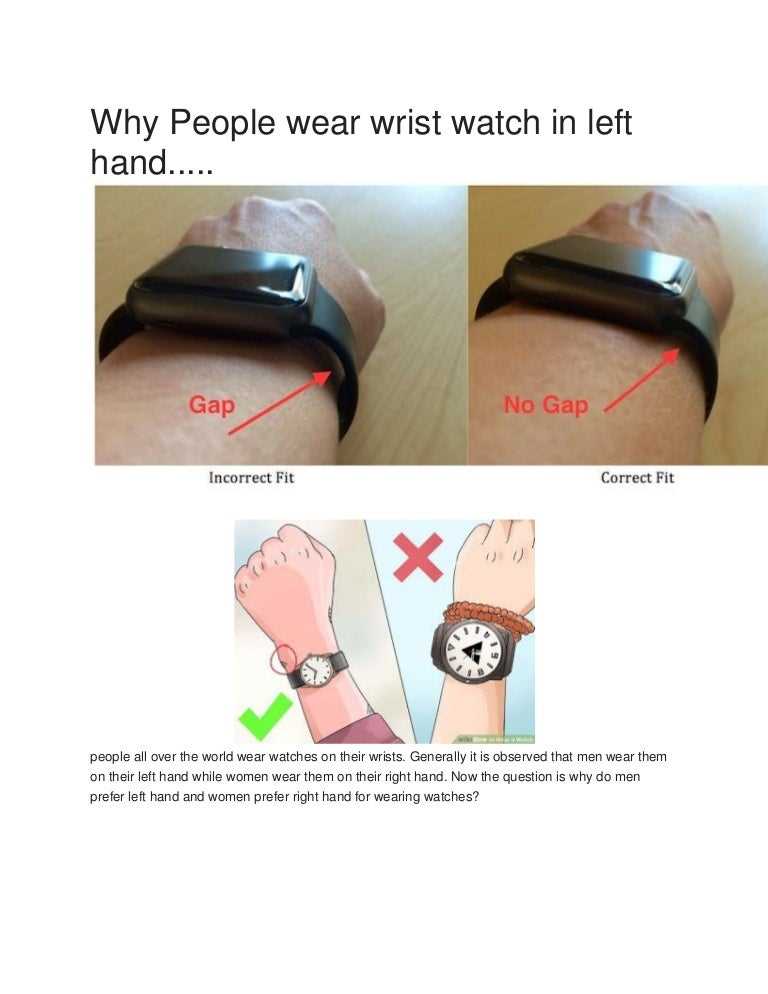
- Evaluate the fit. A snug and secure fit ensures that movement doesn’t shift the timepiece excessively, preventing discomfort.
- Gauge the social context. Cultural norms might influence opinions on timepiece placement, especially in formal settings.
- Be attentive to style. Some designs are specifically created for right-side use, enhancing aesthetics and functionality.
Ultimately, personal preference drives decision-making. Experimenting with left versus right placements can reveal what feels optimal for daily routines and lifestyle.
History of Timepiece Adornment Practices

During the 16th century, the first portable timekeeping devices emerged, leading to the evolution of how individuals showcased these instruments. Initially, fashionable men secured them to leather or cloth belts, while women preferred to attach them to brooches or necklaces. It wasn’t until the 17th century that these devices began being strapped onto the arm, becoming increasingly practical for daily use.
By the 19th century, wrist-mounted timekeepers gained widespread popularity, particularly among military personnel. Soldiers found the convenience of checking the time while maintaining readiness unparalleled. This shift fundamentally changed societal perceptions of how horological tools were used and displayed. Over time, wrist adornments transitioned from being purely functional to stylish accessories, with designs catering to various tastes and occasions.
Cultural Influences on Timepiece Orientation
In various cultures, the custom of positioning timepieces took on unique meanings. For example, in some regions, wearing them on the left side is favored, while in others, the right is preferred, often influenced by hand dominance. In Japan, the practice of displaying wrist instruments on the left arose, aligning with cultural norms regarding etiquette and formality.
Modern Practices and Social Signals
Contemporary choices about arm placement continue to reflect personal style and functionality. Different settings–professional versus casual environments–may dictate preferred spots, showcasing individual preferences and social signals. Ultimately, traditions surrounding arm adornment have transformed significantly, combining utility and aesthetics in diverse ways.
Right vs. Left Wrist: Cultural Preferences
Choosing the appropriate placement of a timepiece often varies across cultures. This decision can influence both social perception and personal expression.
Cultural Influences on Placement
- In Western cultures, many individuals prefer the left side for ease of access, particularly for right-handed users.
- Asian traditions may lean towards the right side, symbolizing a sense of balance and harmony.
- In some cultures, wearing an accessory on the right limb signifies status or affluence, embedding deeper meanings into placement.
Functionality and Practicalities
- For left-handed individuals, the right side presents a logical option, allowing simpler adjustments and interactions.
- Certain professions may dictate wrist choice; for example, those regularly using tools might prefer the non-dominant side.
- Comfort and convenience can play a significant role regardless of cultural norms, guiding personal preferences.
Understanding these nuances can enhance appreciation for this accessory and its placement. Observing local customs may also shape your choice, ensuring it aligns with or subtly challenges societal norms.
Practical Benefits of Wearing a Timepiece on the Right Hand
Choosing to sport a timepiece on the opposite side from the dominant hand presents several practical advantages. For individuals using their dominant hand predominantly, placing the accessory on the non-dominant side minimizes the risk of accidental damage and scratches. This positioning helps maintain the watch’s longevity.
Enhanced Accessibility
By affixing the timekeeping device on the non-dominant limb, accessing the display becomes effortless, especially for right-handed individuals. This arrangement allows for quick glances without awkward adjustments, facilitating smoother interactions in various scenarios, whether in a professional setting or during casual conversations.
Comfort and Functionality
A non-dominant placement often enhances comfort, reducing the likelihood of interference while performing daily tasks. It ensures that the timepiece does not obstruct movement or feel cumbersome. The weight is evenly distributed, allowing for a more balanced feel on the arm, making it a practical choice for prolonged wear.
Potential Discomfort: Factors to Consider
Sizing is critical; ensure the timepiece fits snugly but not too tightly. An overly tight strap can restrict circulation, leading to discomfort. Conversely, a loose fit may cause the accessory to shift, which can be distracting.
Thickness and weight play significant roles in comfort. Heavier models or those with bulky designs might lead to fatigue, especially during prolonged usage. Selecting a lightweight option made from breathable materials can mitigate these concerns.
Positioning affects daily activities. For individuals who engage in certain professions or hobbies, the placement can interfere with tasks. Consider how the accessory impacts hand movements during activities like writing or using tools.
Personal sensitivity to materials should be taken into account. Some may experience reactions to certain metals or synthetic materials. Opt for hypoallergenic choices if sensitivity is a concern.
Environmental factors contribute to comfort levels. Exposure to elements such as temperature variations or humidity may influence how the accessory feels throughout the day. Choose designs that resist environmental pressures, ensuring comfort regardless of circumstances.
Watch Features and Their Compatibility with Wrist Choice
Opting for a timepiece on a specific forearm can alter the experience of its functionality and comfort. Various designs and mechanics are more suited to different placements. For instance, timepieces with large dials may feel cumbersome if positioned on the less dominant side. A streamlined model may benefit from a less obstructive environment like the dominant arm, enhancing functionality.
Chronographs with additional buttons often necessitate effortless access. Placing these on the dominant side facilitates quick adjustment without awkward repositioning. On the contrary, minimalist designs are versatile and can be sported effectively on either side, promoting a sophisticated aesthetic.
Specific Mechanisms and Their Placement
| Watch Type | Recommended Position | Reason |
|---|---|---|
| Chronographs | Dominant Arm | Easier access to buttons |
| Smartwatches | Either Arm | Consider comfort and technology use |
| Dress Watches | Either Arm | Emphasis on style over function |
| Sports Watches | Dominant Arm | Improved tracking of activity |
Comfort and User Experience
Weight and materials influence the overall enjoyment. Heavier timepieces are often more favorable on the stronger side. Conversely, lightweight models may comfortably rest on either side. Testing various positions is advisable to identify what provides the most pleasant feel during daily activities.
Incorporating an adjustable strap can enhance adaptability. A snug fit tailored to personal anatomy ensures minimal movement, preventing irritation whether affixed on the left or right. Durability also plays a role; sporty options typically endure better on the dominant side due to enhanced activity levels.
Personal Style: Choosing the Right Wrist for Your Timepiece
For a polished look, align your stylish accessory with your dominant hand. Individuals who are right-handed typically choose the left for their timepiece, whereas left-handed people might opt for the opposite. This choice not only enhances practicality but also elevates aesthetic appeal.
Consider the type of event when deciding on the placement of your timepiece. Formal occasions might benefit from a sleek, understated setup, while casual outings allow for more personal expression. Experiment with different wrist arrangements to discover what feels best in terms of comfort and visibility.
When selecting the side for your accessory, keep in mind the size and style of the model. More robust designs may work better on the less dominant side to avoid interference with daily tasks. Conversely, delicate pieces can complement aesthetics regardless of placement.
Use materials and colors that harmonize with your attire to integrate this accessory seamlessly into your overall look. A balanced ensemble enhances your visual presence and exhibits attention to detail.
Ultimately, the choice of placement should reflect personal flair while accommodating functionality, ensuring the selection captures your style effectively.