
 Ethan Cole

It’s possible for a wearable device to lead to skin irritation, especially if it’s not properly fitted or maintained. Regular cleaning can prevent dirt accumulation, which may exacerbate skin issues. If you experience discomfort, it’s advisable to remove the device for a period to allow the skin to breathe and recover.
The material of the device is key. Metal bands, especially those with nickel, can trigger allergic reactions in sensitive individuals. Opting for hypoallergenic materials, such as silicone or stainless steel, may mitigate these risks. Always check for any signs of redness or rash during prolonged usage.
Additionally, moisture can contribute to irritation. Wearing the device during vigorous activities without allowing for airflow can create a breeding ground for bacteria. Ensure that your skin is dry before putting it on and consider taking it off during workouts to keep your skin in good condition.
If issues persist despite taking precautions, consulting a medical professional is prudent. They can provide tailored advice based on individual circumstances and skin types.


Can a Smart Watch Burn Your Wrist?
Redness and irritation can occur if devices are worn too tightly or for prolonged periods. To mitigate discomfort, consider the following measures:
- Choose the appropriate size and weight for your device.
- Adjust the fit to allow some space to breathe between the skin and the gadget.
- Take breaks every few hours to allow the skin to recover.
- Regularly clean the surface where it touches the skin to avoid build-up of sweat and dirt.
Skin reactions may be more likely in individuals with allergies. Common materials like silicone, metal, and plastic can trigger sensitivities. If persistent irritation is noticed, consult a healthcare professional.
Monitoring temperature levels during usage is advisable. Some models may generate heat due to battery use or during heavy activity. If overheating is felt, it is prudent to remove the device immediately.
- Avoid wearing while sleeping unless specifically designed for overnight use.
- Be cautious if engaging in activities that generate excessive sweat.
- Consider using protective barriers, such as fabric sleeves, if irritation persists.
Manufacturer guidelines often include recommendations for safe usage. Adhering to these can greatly reduce risk. Balance between functionality and comfort ensures a positive experience with wearable technology.
Understanding Heat Generation in Wearable Devices
To minimize thermal discomfort, ensure the fit of these devices is not overly tight, allowing for airflow. Most modern gadgets are designed with materials that dissipate heat effectively, but internal components can generate warmth due to high processor activity or prolonged usage.
Regularly monitor device performance; if noticeable heat occurs during routine tasks or while charging, consider temporarily removing the device. Avoid exposure to direct sunlight, as external temperatures can significantly raise the temperature of the device.
Opt for models recognized for their heat management systems, as some brands prioritize thermal regulation in their designs. Read user reviews and technical specifications regarding heat emission levels before making a purchase.
Routinely clean the sensor area, as dirt can inhibit effective heat dissipation. If redness or discomfort occurs after prolonged use, consult user guides for recommended wearing duration, and take breaks as necessary.
Ultimately, understanding how these devices operate can guide users in making informed choices to ensure comfort and safety.
Common Causes of Skin Irritation from Smart Devices
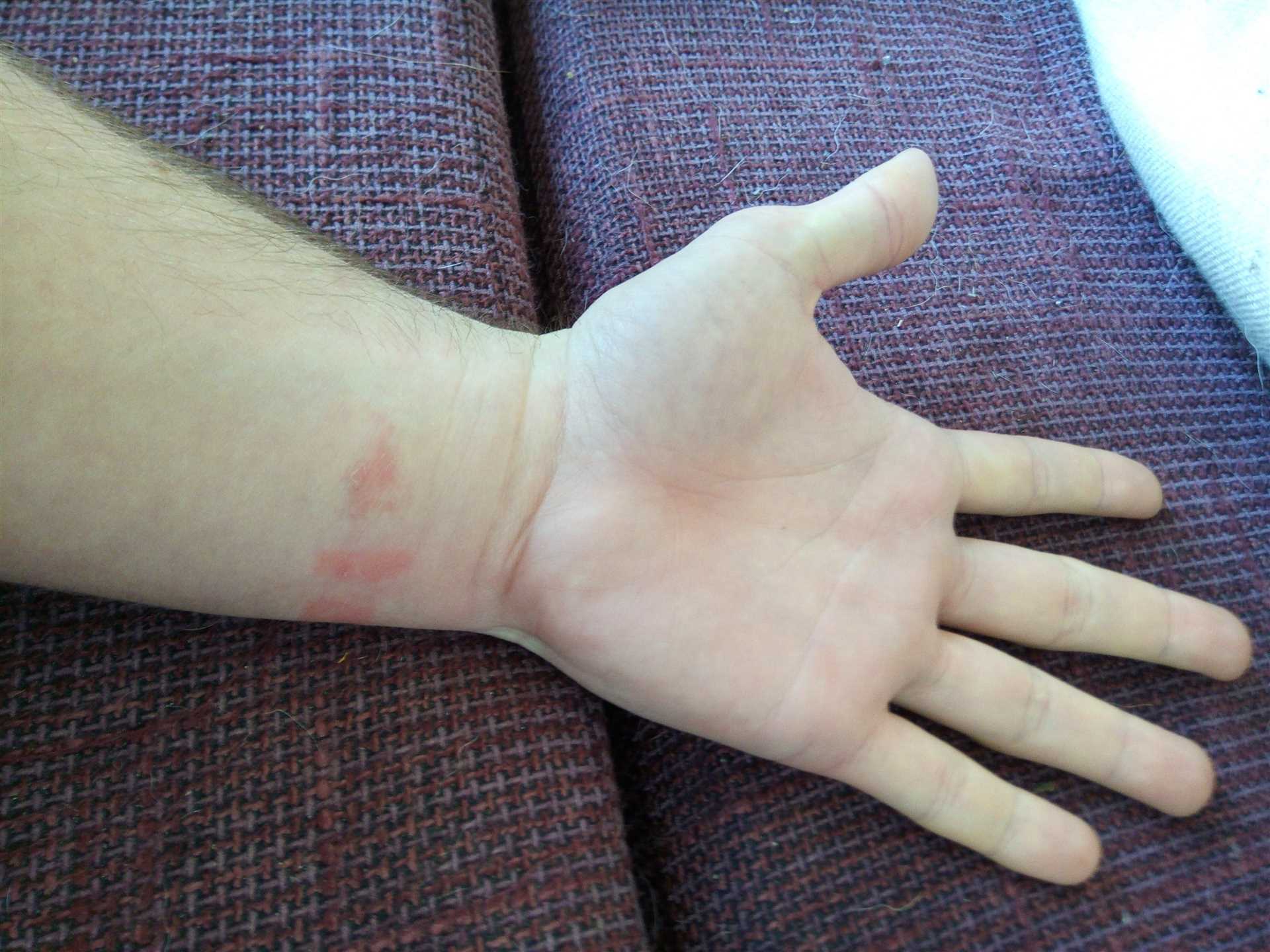
Skin irritation often arises from prolonged contact with wearable technology. One major factor is the material of the device. Irritants can include metals like nickel, found in many bands and components, leading to allergic reactions.
Another culprit is moisture buildup, especially during physical activities. Sweat can accumulate underneath the device, creating a breeding ground for bacteria and fungi, which may exacerbate skin issues.
Improper Fit
An ill-fitting strap can cause friction against the skin, resulting in chafing and redness. Regular adjustments are recommended to ensure the device sits comfortably without excessive pressure.
Prolonged Use
Wearing a device continuously without breaks can lead to skin sensitivity. It is advisable to periodically remove the gadget to allow the skin to breathe and recover. This simple practice can significantly reduce irritation.
Symptoms of a Burn or Skin Reaction from a Wearable Device
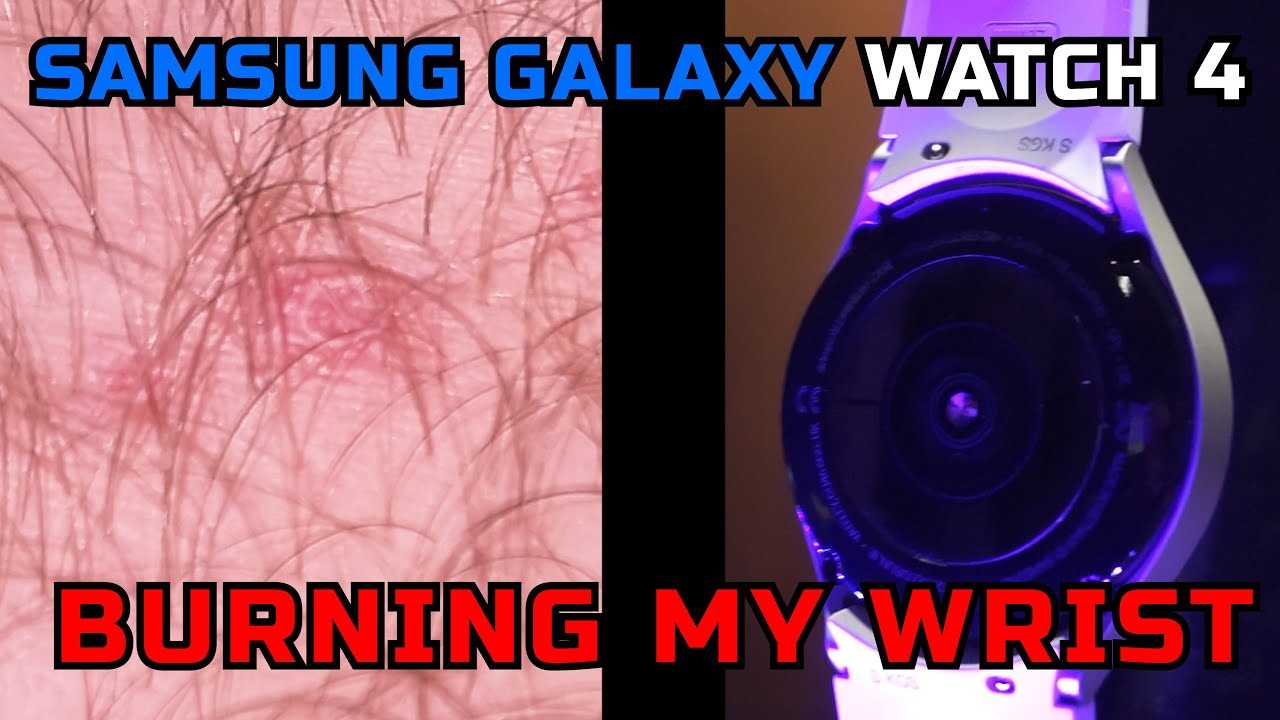
Redness, swelling, or blistering on the skin may indicate an adverse reaction to a wearable gadget. Immediate attention is required when experiencing any of the following symptoms:
Common Indicators
| Symptom | Description |
|---|---|
| Redness | An area of skin becoming inflamed or irritated, often surrounding the device. |
| Itching | Persistent desire to scratch the skin, typically accompanied by discomfort. |
| Burning Sensation | A feeling of heat or discomfort at the site of contact. |
| Blisters | Fluid-filled sacs indicating a more severe skin reaction that may require medical assistance. |
| Pain | Discomfort or soreness felt in the area of contact, signifying skin damage. |
When to Seek Medical Help
If symptoms persist or worsen, consult a healthcare professional. In extreme cases, allergic reactions can occur, leading to systemic symptoms like difficulty breathing or swelling beyond the contact area. Immediate medical attention is necessary in those situations.
How to Prevent Wrist Burns from Your Smart Watch
Regularly remove the device for at least a few minutes every hour. This allows the skin to breathe and reduces prolonged contact heat.
Choose models with breathable materials like nylon or silicone, which help promote airflow and minimize heat retention. Opt for adjustable bands to ensure the perfect fit, preventing excessive pressure on the skin.
Monitor usage intensity, especially during workouts. If the device becomes too warm, take a break until it cools down. Avoid wearing it too tightly to allow for air circulation and to reduce friction.
Implement frequent cleaning routines for both the skin and the device. Dirt and sweat can contribute to skin irritation; keeping surfaces free from debris can assist in prevention.
Pay attention to skin reactions and discontinue use immediately if any irritation occurs. Consult a dermatologist if symptoms persist or worsen.
Consider protective barriers, such as soft wristbands or thin fabric, between the device and skin, especially during prolonged wear.
Stay informed about firmware updates for the device, as manufacturers may periodically enhance thermal management and performance.
When to Seek Medical Attention for Skin Reactions
Seek medical help for any skin reaction that exhibits signs of infection, such as increasing redness, warmth, swelling, or pus. Immediate attention is warranted for severe pain or blistering that appears extensive and does not improve with basic home care.
If symptoms persist beyond a few days despite proper treatment, or if they worsen, consulting a healthcare professional is advisable. Any symptoms accompanied by systemic signs, such as fever or chills, should not be ignored.
Specific Indicators for Urgent Care
Menacing signs include:
- Rapidly expanding rash – A reaction that escalates quickly requires prompt evaluation.
- Severe itching – Intense discomfort disrupting daily activities necessitates medical intervention.
- Unusual discoloration – Any significant change in skin color adjacent to the reacting area warrants investigation.
Long-term Effects
For persistent skin discoloration or abnormal texture, professional assessment is crucial to rule out underlying conditions. Early detection of complications helps in effective management and reduces the risk of long-term damage.


