
 Ethan Cole

Wearing a timepiece should not lead to skin irritation or physical injury if specific precautions are taken. Select a model that allows for adequate breathability and comfort. Materials like silicone or leather tend to offer better ventilation compared to metal bands, which can trap moisture and heat.
Monitor tightness; a snug fit can cause abrasions or circulation issues. Adjust the strap or band to ensure it rests properly without excessive pressure. Look for timepieces with adjustable settings for a customizable fit, preventing unnecessary stress on the skin.
Regular cleaning is another key practice. Accumulated dirt and sweat can lead to irritation, particularly for sensitive skin. Use gentle soap and a soft cloth to maintain both the item and the health of the skin underneath. Opting for hypoallergenic materials can also help reduce the likelihood of allergic reactions.


Can a Timepiece Harm the Forearm?
Wearing a timepiece can lead to potential irritation or discomfort in the lower arm. Factors such as tightness, material, and prolonged use should be considered. A common recommendation is to ensure a secure yet comfortable fit that allows for slight movement without pinching the skin.
Material Considerations
Allergic reactions may arise from metals used in the construction of the band. Hypoallergenic materials such as silicone or titanium can be safer alternatives for sensitive skin. Regular cleaning of the strap is advisable to prevent buildup of sweat and bacteria, which can cause skin issues.
Wearing Duration and Posture
Extended periods of wearing a timepiece might result in pressure-related discomfort. It’s advisable to remove the accessory during activities like sports or heavy lifting. Regular breaks can alleviate symptoms of restricted blood flow or nerve compression, particularly in the case of bulkier designs.
Understanding the Weight and Material of Your Timepiece
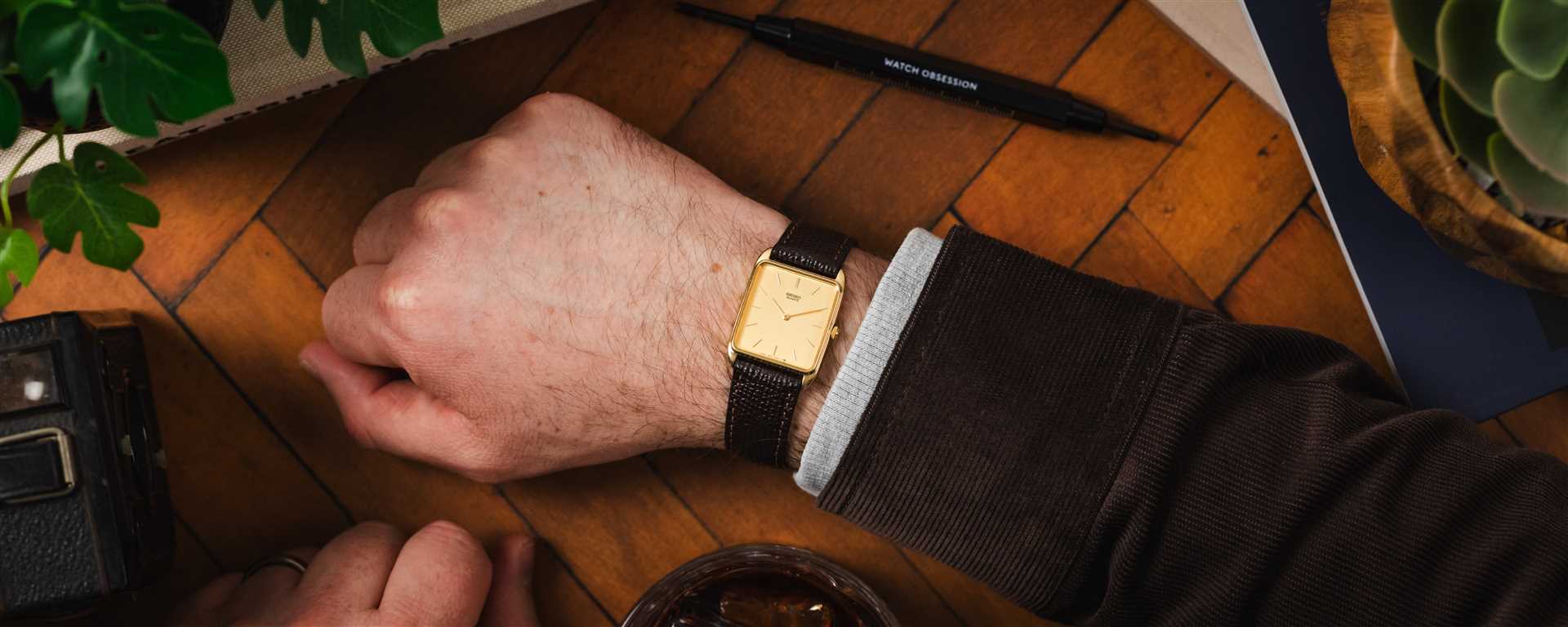
Select a model weighing no more than 100 grams to minimize strain during prolonged wear. Lighter designs reduce pressure, enhancing comfort without sacrificing style.
Materials significantly influence both aesthetics and comfort. Stainless steel offers durability but may feel heavier. Titanium is a lightweight alternative, providing strength while improving wearability. Leather straps, although stylish, can stretch or cause irritation over time, so regular inspection is necessary.
Choosing Appropriate Materials
Consider hypoallergenic materials such as ceramic or silicone to avoid potential skin reactions. Ceramic is not only lightweight but also resistant to scratches, maintaining its appearance over time. Silicone, with its flexible nature, can easily adapt to different wrist shapes.
Balance and Personal Comfort
Ensure the piece is well-balanced on the arm; top-heavy designs can lead to discomfort. Adjustability in straps allows for a customized fit, reducing risk of sliding or pinching. Regular adjustments based on changes in wrist size can prevent unnecessary pressure points, enhancing overall experience.
Identifying Signs of Discomfort from Watch Wear
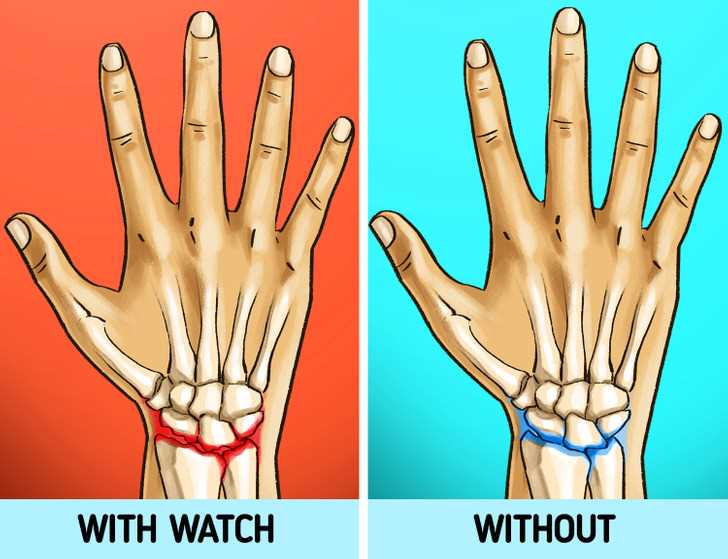
Regular monitoring of comfort levels is essential to avoid adverse effects from prolonged equipment use. Pay attention to any unusual sensations that may arise during or after wearing a timepiece.
Common Symptoms to Observe
| Symptom | What It Indicates |
|---|---|
| Redness | Possible irritation or allergic reaction to materials |
| Swelling | Pressure from a tight strap or an ill-fitting case |
| Itching | Allergy or sensitivity to the metal or strap materials |
| Pain | Excessive weight or constant friction on the skin |
| Marks on Skin | Improper sizing or too much torque |
Monitoring Advice
Regularly adjust strap tightness to maintain comfort. Periodically check the skin for any signs of irritation during wear. If discomfort occurs, take breaks and reassess fit. Consider consulting with a specialist for further evaluation if persistent symptoms arise.
Assessing Watch Fit: Loose vs. Tight
A proper fit is critical. A snug yet comfortable hold minimizes risk and enhances the experience. An overly tight band can lead to circulatory issues, while a loose strap may lead to unnecessary friction or movement, causing discomfort or irritation.
For precise fitting, measure the circumference of the wrist using a soft measuring tape. A well-fitted accessory should allow a finger to slip between the skin and the band without feeling constricted or excessively loose. Adjustability is key; selecting a model with a clasp or buckle that offers multiple sizing options is advisable.
Monitoring comfort is essential. If redness or indentations appear after removal, the fit may have been too tight. Conversely, if the item tends to shift or slide significantly during normal activities, it may be overly loose. Regular adjustments according to changes in activity levels or wrist size can enhance both comfort and usability.
Keep an eye on the material of the band. Some materials are more forgiving than others, allowing for minor adjustments in comfort. Consider breathable options for prolonged wear, particularly in warmer climates or during physical activity.
Impact of Watch Functions on Wrist Health
The presence of multiple features in a timepiece can significantly affect comfort and well-being. Evaluating functions such as GPS, heart rate monitoring, and haptic feedback is essential.
- GPS Functionality: The integration of GPS often increases the overall size and weight. Users may experience fatigue or discomfort during extended wear, particularly during physical activities. Opting for lighter alternatives can mitigate these issues.
- Heart Rate Monitoring: Continuous heart rate tracking may require sensors that come in direct contact with skin. This can lead to irritation, especially if the device is worn for long durations. Regularly cleaning the sensor area can prevent skin reactions.
- Haptic Feedback: Vibration alerts can provide immediate notifications but may contribute to irritation if the device is excessively tight. Ensuring proper fit can enhance both functionality and comfort.
Choosing a device with customizable features can enable users to disable functions when not in use, thus improving comfort levels during daily activities.
- Assess daily function usage to minimize discomfort.
- Regularly evaluate how features impact the experience.
- Consider alternating between devices for different tasks.
Awareness of how various elements influence comfort can lead to healthier wear practices and enhanced experience over time.
Protective Measures for Long-Term Comfort
Opt for materials that ensure breathability and comfort against the skin. Silicone, fabric, or leather can minimize irritation and allow moisture evaporation, preventing overheating during prolonged use.
Regular Adjustments
Monitor the fit regularly. A slight change in wrist size throughout the day may necessitate adjustment of the timepiece’s position. An ideal fit maintains stability without exerting excessive pressure.
Take Breaks
Remove the accessory periodically to allow the skin to recover. Even short breaks can enhance circulation and prevent discomfort associated with continuous wear.
Consider rotating different pieces to reduce repetitive pressure in the same area. This not only adds variety to your look but also gives specific points on the arm time to relax.
Select a model with adjustable features, such as interchangeable straps, to ensure personalized comfort. Customization allows for a fit that suits various activities, from casual wear to more intense situations.



