
 Ethan Cole

Yes, it’s entirely possible to replace the strap of your timekeeping device without much hassle. Begin by verifying the mechanism used for attachment; this could involve spring bars, screws, or other fastening methods. Once you determine the type, you can select an appropriate alternative that matches your style and preferences.
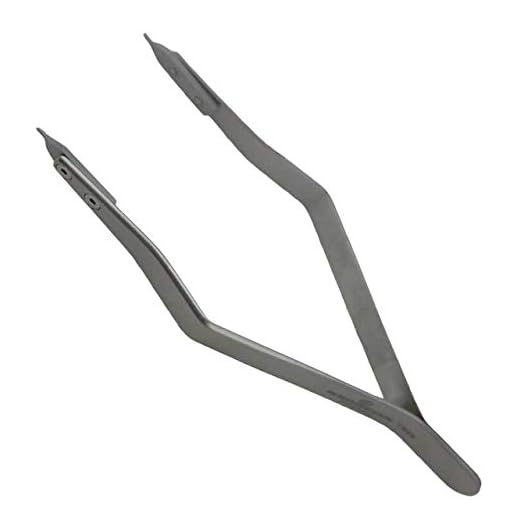
For effortless swapping, ensure you have the right tools on hand, such as a spring bar tool for designs using spring bars. This will allow for a smooth installation process while helping to prevent damage to the case or the new strap. Choosing the correct size is also imperative–most straps will have measurements indicating their fit. Measure the lug width of your timepiece to guarantee a perfect match.
Personalization is key; whether opting for leather, metal, or synthetic materials, consider factors like comfort, aesthetics, and durability. Each type brings a unique flair, enhancing the overall look while ensuring your timekeeper remains secure on your wrist. Take your time when selecting, as the right accessory can significantly impact the visual appeal and functionality of your accessory.
Changing Your Timepiece’s Band
Yes, it is entirely possible to swap out the band of your timepiece. The process typically requires minimal tools and can be completed at home with some basic equipment.
Tools You Will Need
- Pins or spring bar tool
- Replacement strap or band
- Screwdriver (if applicable)
- Clean cloth (for maintenance)
Steps to Follow
- Clean the area around the lugs of your timekeeper.
- Using the spring bar tool, release the pins from the lugs to detach the existing band.
- Align the new strap with the lugs.
- Insert the spring bars through the new strap and push them into place to secure.
- Double-check that the new band is securely attached before wearing.
When selecting a new strap, consider the material (leather, metal, or synthetic), width (measured in millimeters), and attachment style. Ensure compatibility with your model to maintain functionality and aesthetic appeal.
Types of Watch Bracelets Compatible with Your Model
Choosing the right type of band can enhance both the look and feel of your timepiece. Here are several styles that might fit your specific model:
1. Metal Bands
Metal bands are known for their durability and elegant appearance. They come in various materials such as stainless steel, titanium, and gold. Common types include:
| Type | Description |
|---|---|
| Link Bracelet | Consists of removable links, offering adjustability for a perfect fit. |
| Bracelet with Clasp | Features a secure clasp mechanism that allows for easy wearing and removal. |
| Mesh Band | Offers a breathable, flexible design that conforms to the wrist. |
2. Leather Straps
Leather options provide a classic and sophisticated aesthetic. Consider the following variations:
| Type | Description |
|---|---|
| Genuine Leather | High-quality leather that provides a luxurious feel. |
| Synthetic Leather | More affordable and resistant to wear, suitable for casual settings. |
| Suede Straps | Soft texture adds a unique touch, ideal for casual styles. |
Always ensure compatibility with your timepiece’s dimensions and attachment style before purchasing a new band. Explore these options for a tailored look that enhances functionality and comfort.
Tools Required for Changing Watch Bracelets
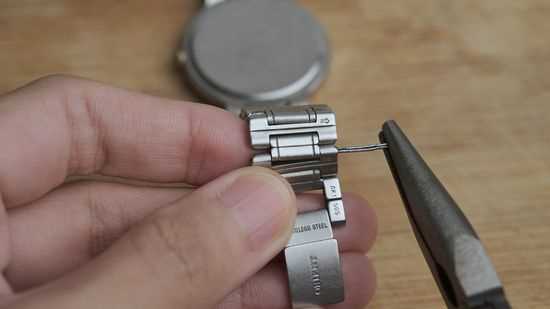
Gather the following tools to successfully replace the strap on your timepiece:
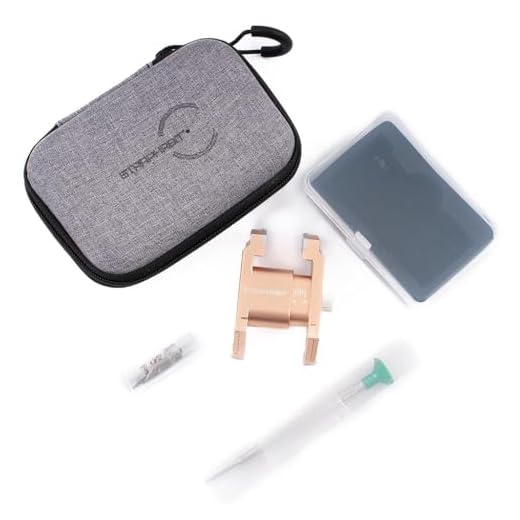
- Screwdriver Set: A precision screwdriver set with both flat and Phillips heads is essential for unscrewing the links or fasteners holding the band.
- Spring Bar Tool: This tool is specifically designed to remove and attach spring bars, allowing for quick swaps of different straps.
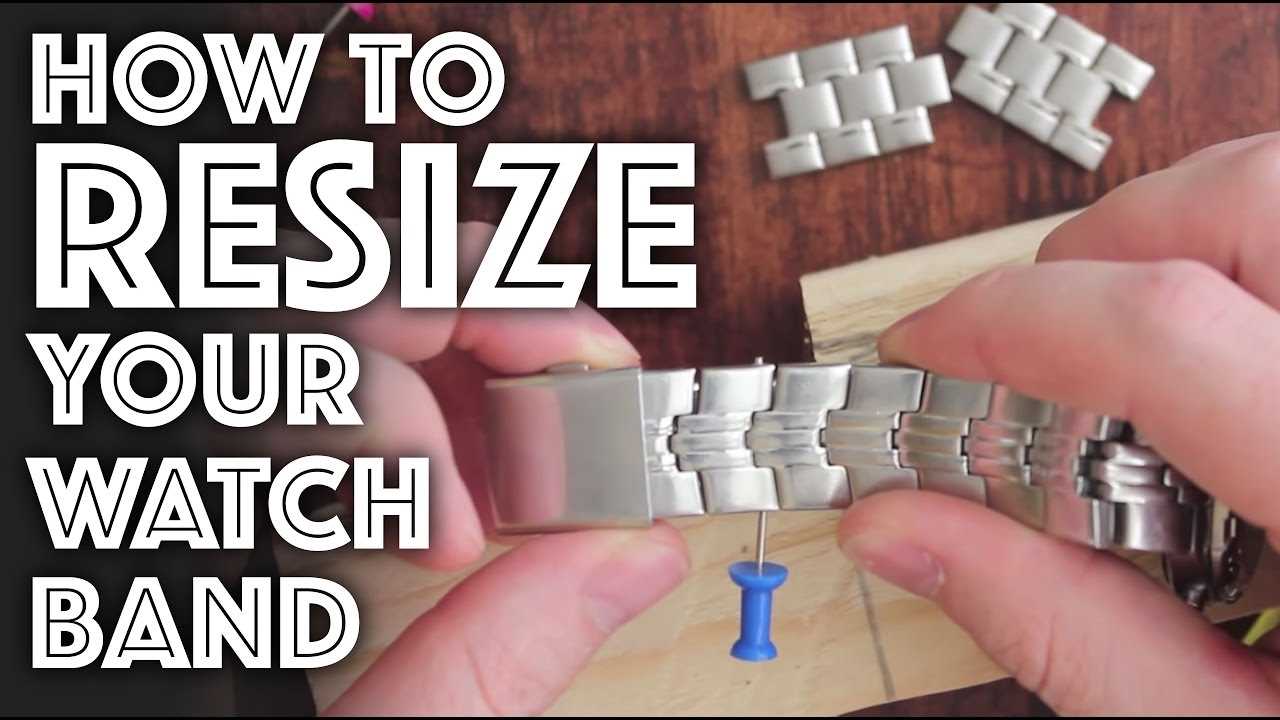
- Pin Pusher: Useful for pushing out pins that connect the links together, particularly in metal bands.
- Plastic Tweezers: Helps in handling small parts without risk of scratching the finish on your timepiece.
- Soft Cloth: Protects the surface of the timepiece from scratches during the swapping process.
- Magnifying Glass: Provides a clear view for precision work, especially in tight spaces.
- Bench Mat: A padded surface to prevent parts from rolling away or getting lost.
Ensure all tools are ready before starting the process for a smoother experience.
Step-by-Step Guide to Removing Your Old Bracelet
Gather your tools: a small screwdriver or pin pusher, a soft cloth, and optional tweezers.
Place the timepiece face down on the soft cloth to avoid scratches. Identify the pins or screws holding the band in place on either side of the case.
If your model uses pins, locate the small holes on the links. Insert the pin pusher or screwdriver into the hole and gently push the pin out. Repeat on the opposite side.
For screw-type fasteners, turn the screws counterclockwise until they are completely removed. Ensure you store the screws safely for future use.
Once the links are detached from the case, inspect the new band for compatibility. Position it carefully, aligning it with the case lugs.
Reinsert the pins by pushing them back into the holes until they click into place. Ensure they are secure.
If you used screws, align them and turn clockwise until secure. Avoid over-tightening to prevent damage.
Finally, test the newly attached band for stability. Adjust the fit, if necessary, before wearing the piece.
Attaching a New Bracelet: Tips and Techniques
Ensure correct alignment of the new band with the lugs for a secure fit. Avoid forcing components together to prevent damage. Use a gentle pressure technique to guide the bars into place. Even slight misalignments can cause wear issues over time.
Selecting the Right End Pieces
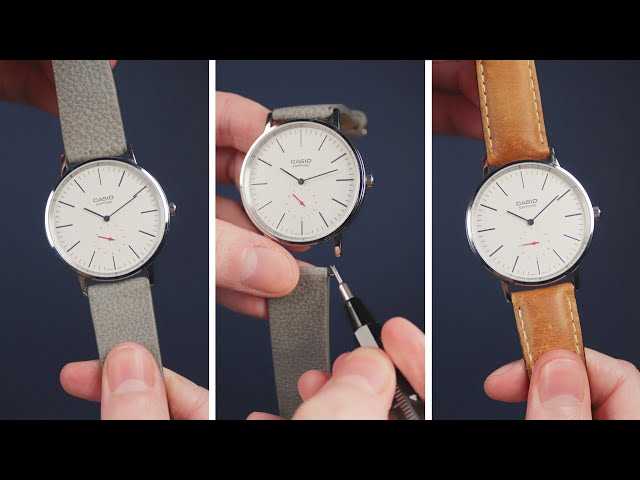
Match the end pieces with the style of the new band. If swappable, explore options for end pieces that might better complement the design and feel of your personalization. The appropriate fit can enhance comfort and aesthetics.
Tightening Mechanisms and Adjustments
Utilize the appropriate tools to ensure the connection is firm yet adjustable. If the new band includes adjustable sizing options, test various settings before securing them fully. This can extend the life of the attachment and improve overall comfort during wear.
Common Mistakes to Avoid When Changing Watch Bracelets
Neglecting to identify the correct sizing before attempting to replace the strap can lead to frustration and potential damage to your timepiece. Always measure the lug width of your device accurately to ensure a suitable fit.
Using improper tools is another frequent error. Always make sure to utilize appropriate tools such as spring bar tools or flathead screwdrivers designed for this task. Using makeshift tools can scratch the case or damage the pins.
Rushing through the removal process can result in bent pins or broken components. Take your time to gently push the spring bars and avoid excessive force, which can cause mechanical failure.
Overlooking the orientation of the new band can lead to an awkward or uncomfortable fit. Double-check that the new strap is aligned correctly to maintain aesthetic integrity and ensure comfort.
Failing to clean the connection points before installing a new strap can result in poor fitment and shorter lifespan of components. Always clean the lugs and ensure they are free from dust and debris.
Ignoring the material compatibility between the strap and the case may lead to discoloration or degradation over time. Ensure that materials used are suitable and complementary to avoid any adverse reactions.
Neglecting to test the security of the new attachment after installation is a common oversight. Always perform a gentle tug to ensure everything is securely fastened to avoid accidental detachment during wear.
Forgetting to adjust the length of the strap according to your wrist size can lead to discomfort while wearing. Tailoring the length properly ensures both aesthetic appeal and comfortable use.




