
 Ethan Cole

Storing your timekeeping device in your cargo hold is generally inadvisable. Potential for damage due to pressure changes, rough handling, or exposure to extreme temperatures could compromise its functionality and aesthetics.
Instead, carry it in your hand luggage. This ensures it remains secure, protected from environmental factors, and readily accessible for security checks. Before flying, verify specific regulations of your airline as guidelines may vary.
Consider using a protective case designed specifically for travel. Such cases are often padded and can absorb shocks, providing an additional layer of security against potential impacts and scratches while en route.
Being aware of the rules regarding electronics and jewelry can help avoid any complications at security screenings. Pack your accessory thoughtfully, and you’ll significantly reduce the risk of damage while enjoying your trip.


Can I Take My Timepiece in Checked Luggage?
It is advisable not to include your timepiece in the hold. These items can be fragile and susceptible to damage during transport. Instead, carry it in your personal item or hand luggage to ensure safety and avoid potential loss.
Many airlines’ policies do not prohibit such items in cabin bags, which allows for visibility and easy access. Moreover, if you are traveling with a high-value piece, having it with you minimizes security risks and unwanted surprises upon arrival.
For those with luxury or vintage timepieces, consider utilizing a protective case to safeguard against scratches or impacts while traveling. Delicate mechanisms require careful handling, making personal oversight preferable.
Before your trip, check your airline’s regulations, as some may have specific guidelines regarding valuable items. Prepare for security screening by removing it from your bag to facilitate a smoother process at checkpoints.
In case of layovers, keeping your item with you reduces the risk of theft or loss during transfers. If traveling internationally, be aware of customs regulations that may apply upon arrival.
Understanding Airline Regulations on Valuables
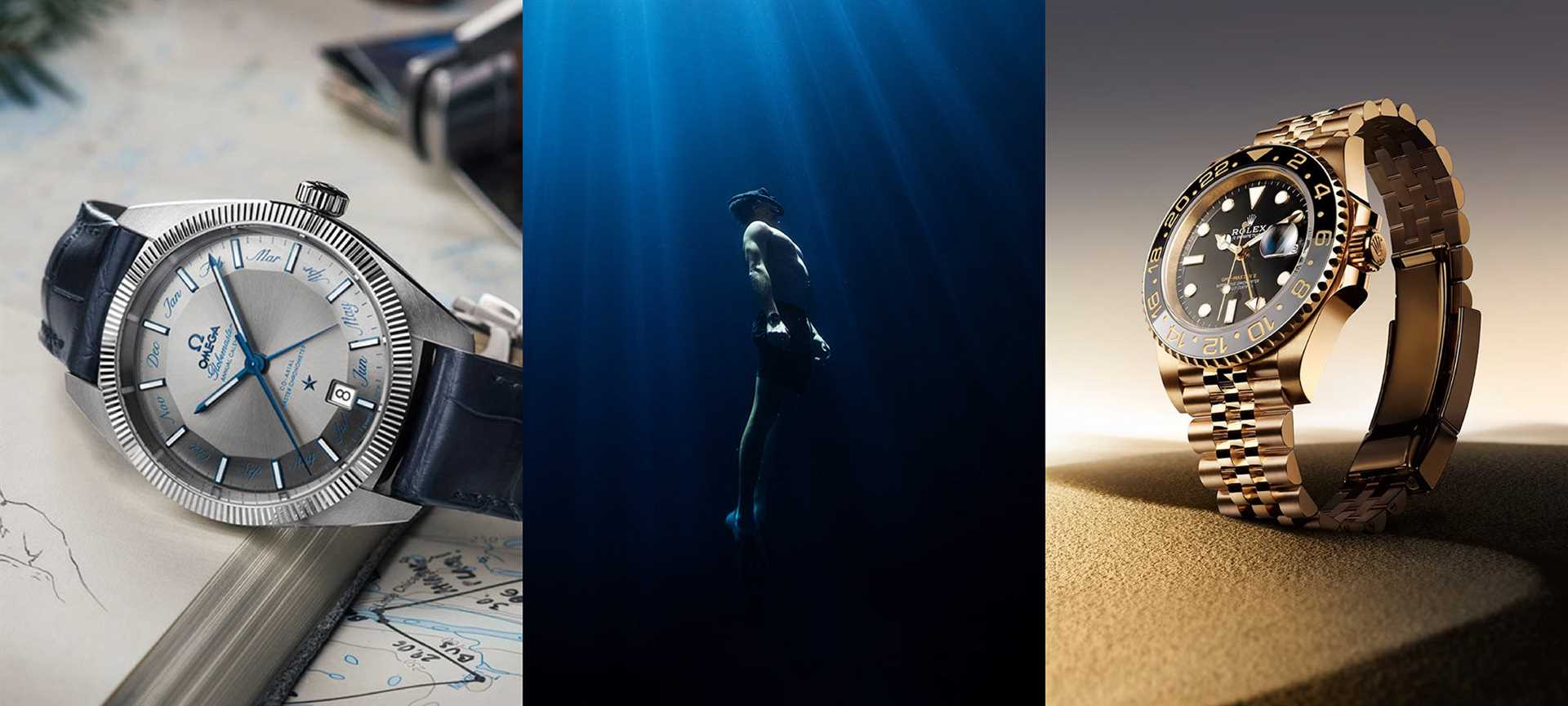
Prioritize keeping high-value items with you in the cabin. Many airlines impose restrictions on transporting precious belongings through cargo holds, which may result in loss or damage. Review the policies of specific carriers before traveling.
Key Guidelines
- Check individual airline terms regarding valuable items.
- Secure items in carry-on luggage for better protection.
- Avoid storing essentials, such as jewelry or electronics, in cargo compartments.
Insurance and Protection
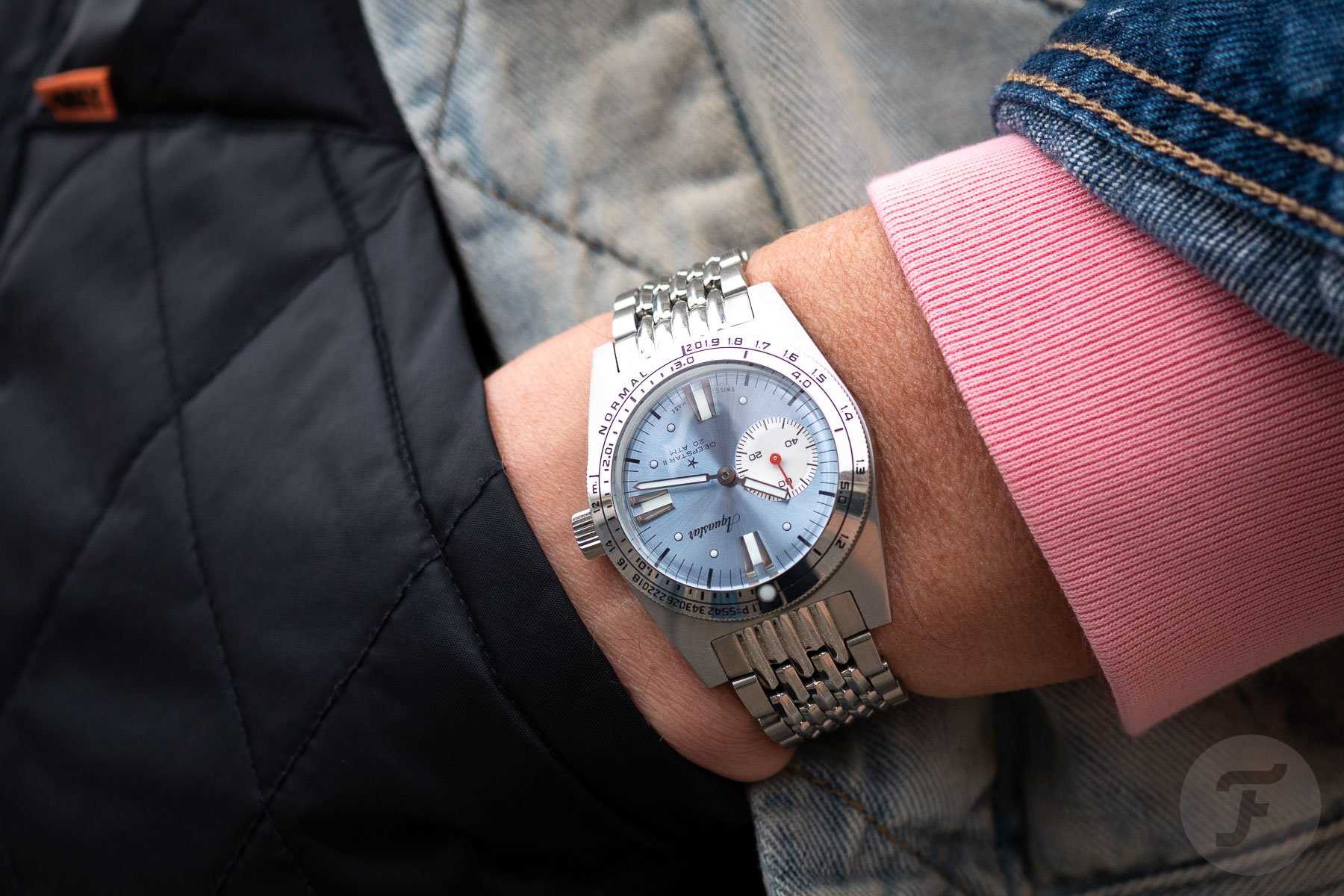
- Consider insuring valuable property prior to travel.
- Document all items with photographs and receipts for claims.
- Investigate travel insurance options that cover loss or theft of personal items.
Understanding regulations and taking proactive measures can minimize risks associated with traveling with valuables. Always err on the side of caution. Keeping precious belongings close enhances security and peace of mind during your journey.
Risks of Stowing a Timepiece in Luggage
Storing a timepiece in luggage carries specific hazards. Despite airline policies allowing such items in cargo, potential issues may arise during handling and transport.
One significant risk involves damage. Timepieces, particularly those with delicate mechanisms, can be impacted by rough handling, pressure changes, or sudden temperature shifts. These factors may lead to misalignment or even mechanical failure.
Theft is another concern. Valuables left in checked items might attract the attention of dishonest personnel. Stowing high-value articles, such as luxury timepieces, increases the likelihood of loss or theft.
Exposure to environmental factors may also adversely affect your item. Cargo holds often experience varying humidity levels, which can lead to corrosion or other forms of degradation if the item isn’t adequately protected.
Finally, insurance is a significant consideration. Many standard travel insurance policies do not cover loss or damage to valuable items in checked luggage. Always verify coverage details before deciding on storage methods for prized possessions.
| Risk | Description |
|---|---|
| Damage | Risk of mechanical failure or misalignment due to rough handling. |
| Theft | Higher chances of loss due to the presence of valuable items. |
| Environmental Factors | Potential corrosion or degradation from humidity changes. |
| Insurance Limitations | Limited coverage for valuables stored in checked luggage. |
Safe Packing Tips for Your Timepiece
Always secure your timepiece in a protective case specifically designed for transportation. This prevents scratches and accidental damage during handling.
Consider wrapping the watch in soft cloth or bubble wrap for extra cushioning. This step is vital, especially if the case is not heavily padded.
Place the secured timepiece in an interior compartment of your luggage, away from heavy items that could cause impact. This ensures that the watch remains in an undisturbed environment.
Avoid packing the strap loosely; a tightly coiled band can lead to deformation. Keeping the watch in a fixed position reduces the risk of movement that might cause harm.
If possible, take off fragile bands or additional attachments and store them separately. This minimizes chances of breakage and makes the transport safer.
Before departure, check the timepiece’s battery status. A fully powered battery reduces the risk of malfunction during transit.
Document valuable items with photographs and records of value. In the event of an issue, having proper documentation facilitates claims or inquiries.
Opt for a smaller carry-on bag for easy access to your valuable items if regulations allow. This adds an extra layer of security against potential loss.
Insurance Considerations for Checked Baggage Items
Ensure valuables in your suitcase are covered under travel insurance. Verify your policy specifically addresses high-value articles, including timepieces. If not, consider upgrading your coverage or acquiring a separate policy for such possessions.
Document the item’s condition and value before travel. Retain purchase receipts, warranties, and photographs to provide evidence in case of loss or damage. This documentation streamlines the claims process with your insurer.
Understand that airline liability limits may not cover the full value of expensive items. Review the airline’s policy on compensation for lost or damaged items to gauge potential recovery amounts. Invest in additional coverage if necessary.
Be aware of any exclusions related to valuable items, as certain policies may not compensate for losses in transit. Knowing these details helps in making informed decisions and managing expectations.
In the event of a claim, report any incidents to the airline immediately and follow their procedures for lost or damaged goods. Timely notifications improve the chances of satisfactory resolutions.
Regularly assess your possessions and adjust insurance amounts as needed, particularly if your collection grows or market values change. Staying updated protects your investments effectively.
Alternative Options for Traveling with Your Timepiece
An ideal method for transporting your expensive timepiece is wearing it during travel. This reduces the risk of loss or damage while providing easy access. A special travel case designed for timepieces can also be beneficial, offering protection while fitting in carry-on luggage without adding bulk.
<p.Another option involves selecting a travel-friendly variant. Many brands offer durable, lightweight models made for adventurers. These are less prone to damage compared to high-end models and can be a stylish travel companion.
Consider shipping the precious item via a secure courier service, especially if traveling with multiple valuables. Ensure that the parcel is adequately insured to safeguard against potential loss during transit.
Consult with airlines regarding their policies on valuable items. Some carriers offer specific services for precious belongings, which can provide additional peace of mind during your trip.
Finally, document the watch’s details, including photos, receipts, and certificates of authenticity. This information can be invaluable for claims or reports in case of theft or loss. Prioritize the safety of your valuable accessory through methods that suit your travel needs.



