
 Ethan Cole

Timepieces are allowed in clinical environments, provided they meet certain standards regarding hygiene and functionality. The focus should be on designs that minimize the risk of contamination, such as those with a smooth surface and easy-to-clean materials.
Look for models with a secure closure to prevent any accidental removal during duties. Timepieces that feature a clear display are beneficial for quick reading, aiding in efficient time management during patient care while ensuring accuracy in monitoring medication schedules and treatment times.
When selecting a timepiece, consider opting for those that are waterproof or resistant to disinfection solutions commonly used in healthcare settings. This not only helps maintain cleanliness but also prolongs the lifespan of the item. Always check your institution’s specific policies regarding accessories to ensure compliance with safety protocols.


Wrist Accessories for Healthcare Professionals
Utilizing timepieces is common in hospitals. However, specific guidelines should be considered regarding their use.
- Prioritize hygiene: Opt for designs that are easy to clean. Avoid leather or cloth bands which can harbor bacteria.
- Choose a simple face: Clarity is crucial for quick reading during shifts. A digital display may benefit those who prefer precise timekeeping.
- Lightweight options: Comfort is key. Ensure the accessory does not impede movement during busy hours.
- Durability: Look for robust materials that can withstand daily wear and tear. Water-resistant models are preferable, especially in environments where exposure to fluids is common.
- Minimalistic design: Avoid overly ornate styles that may be distracting or considered unprofessional in clinical settings.
Consult facility policies to confirm any specific restrictions related to accessories. Compliance with established regulations promotes safety and professionalism in patient care environments.
Infection Control Guidelines
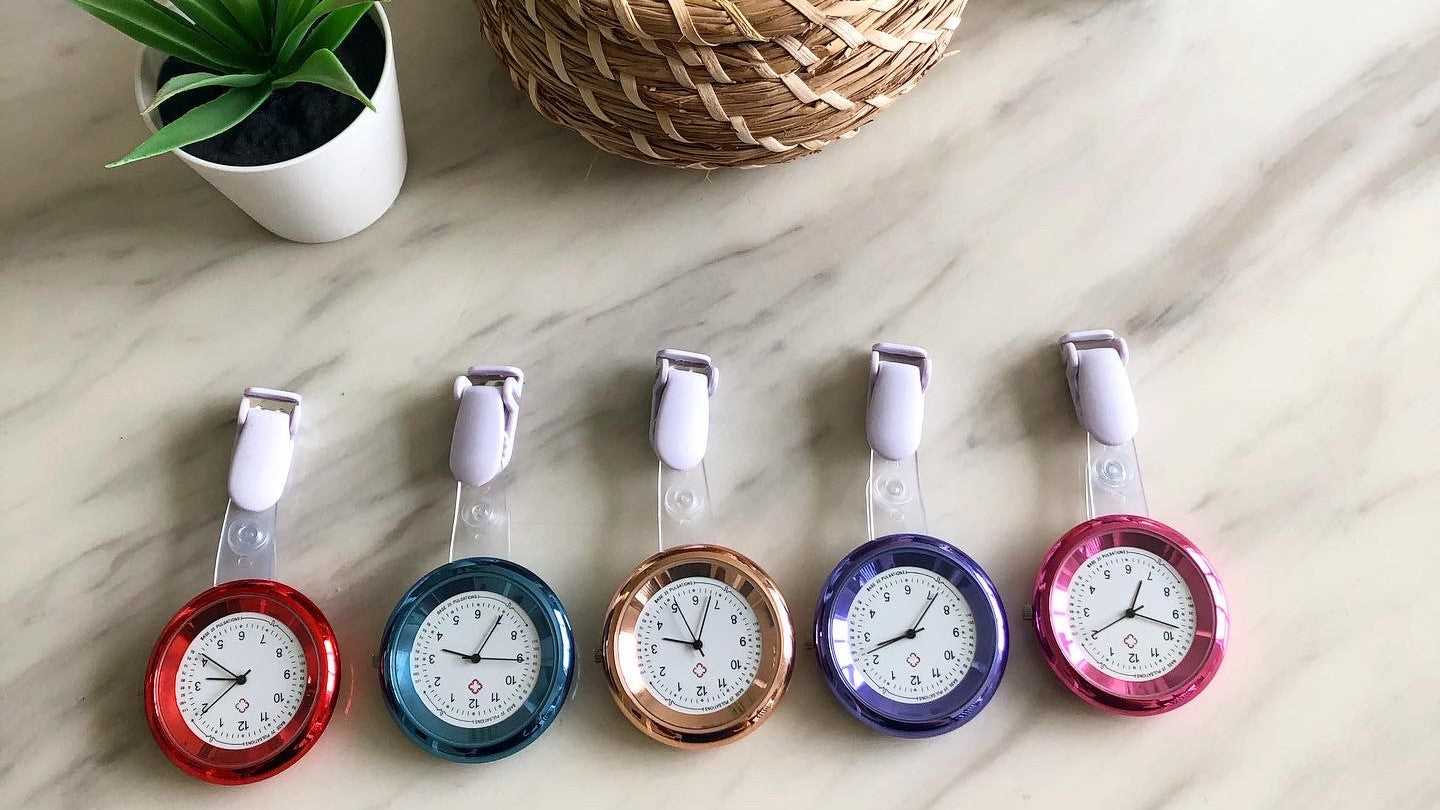
The use of timepieces in clinical settings poses specific infection control challenges. It is recommended to limit accessories that can harbor pathogens. Instead, consider alternatives that are easy to clean and sanitize.
Hand hygiene remains paramount. Any item attached to the wrist should not obstruct thorough washing of the hands and wrists. Choose designs that allow for full visibility of the skin, facilitating scrubbing of the entire area effectively.
When selecting items with timekeeping features, prioritize those made from non-porous materials. Such choices minimize the risk of microbial retention. Regular disinfection protocols for these items should be followed, utilizing approved cleaning agents.
Education on appropriate protocols is necessary. Staff should be trained to recognize high-risk areas for contamination related to accessory usage. This may include routine visual checks to confirm adherence to guidelines.
Table summarizing key points:
| Guideline | Recommendation |
|---|---|
| Material | Non-porous for easy cleaning |
| Accessibility | Should not hinder hand washing |
| Cleaning Protocol | Regular disinfection with approved agents |
| Training | Education on hygiene protocols |
Choosing the Right Type of Watch
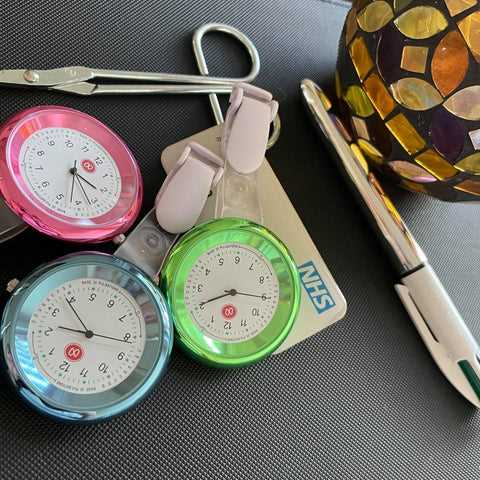
Select timepieces designed for easy cleaning, ensuring hygiene is maintained. Opt for models with a smooth, non-porous surface to minimize the risk of harboring pathogens. Materials such as silicone or stainless steel are preferable due to their resistance to moisture and simplicity in sanitation.
Consider the functionality required in a clinical environment. Analog styles often allow for quick reading of time, which is crucial during busy shifts. However, digital alternatives with features like alarms and timers can enhance efficiency in monitoring patient care.
Size matters; select a watch that fits comfortably without being cumbersome. A compact design reduces the likelihood of interference while performing tasks. Additionally, ensure the strap is adjustable and secure, preventing accidental dislodging during patient interactions.
Lastly, prioritize durability. Timepieces with water resistance and shockproof capabilities withstand the rigors of daily duties. Investing in a reliable option reduces the need for frequent replacements, making it a more economical choice in the long run.
Watch Maintenance and Cleaning Practices
Regular maintenance is crucial for longevity. Remove the timepiece before engaging in any activities that may cause exposure to moisture or excessive dirt. Store it in a protective case to prevent scratches and damage.
Daily Cleaning Routine
Wipe the surface with a soft, lint-free cloth after each use to remove dirt, sweat, and oils. For deeper cleaning, a damp cloth with mild soap can be employed. Ensure that no moisture enters the inner workings.
Periodic Inspections
Every few months, inspect for any signs of wear, including strap integrity and movement accuracy. Take it to a professional for comprehensive servicing if any issues arise. Battery replacements should be handled promptly to avoid leakage.
Maintaining the integrity of the timepiece not only enhances its aesthetics but also ensures its precise functioning for years to come.
Impact on Patient Interaction
The presence of timepieces on healthcare professionals can significantly influence patient interactions. Patients often feel reassured when they can observe that caregivers are conscientious about time management, which reflects an organized approach to care delivery. A visible and easily accessible timepiece may enhance a patient’s perception of staff being attentive and responsive to their needs.
During consultations, a quick glance at a well-positioned accessory can facilitate smooth communication. This allows for efficient dialogue regarding treatment timelines, medication schedules, and other critical information, fostering a sense of trust and partnership between caregiver and patient.
Patients with anxiety or discomfort may find comfort in observing the caregiver’s organized demeanor, which can be signified by their ability to keep track of time effortlessly. In these instances, timekeeping instruments can play a subtle role in alleviating stress and promoting a more positive healthcare experience.
Moreover, clarity in communication is paramount in critical care environments. The ability to manage time effectively while engaging with patients can be vital in ensuring that all necessary protocols are adhered to, thereby ensuring that the overall quality of care remains high.
Encouraging a culture of effective communication and time awareness, facilitated by appropriate timekeeping tools, can lead to enhanced patient satisfaction and experience during their healthcare journey.
Legal and Institutional Policies
Regulations regarding timepieces for healthcare professionals vary significantly across institutions and jurisdictions. It is advisable to consult specific institutional policies prior to using any type of timekeeping device in a clinical environment.
Regulatory Guidelines
- Local health authorities may issue mandates concerning the use of personal items during clinical duties.
- Facilities often have infection control protocols that specify acceptable accessories in patient care settings.
- State or national legislation might outline requirements for sanitation and hygiene practices affecting workplace attire and equipment.
Institutional Protocols
- Evaluate the dress code manual for the healthcare facility, which may include specifics on accessories.
- Seek clarification from supervisors regarding any gray areas not explicitly detailed in institutional documentation.
- Attend any training sessions related to compliance with these policies, ensuring understanding of organizational expectations.
Compliance with established guidelines not only protects patient safety but also enhances the professionalism within clinical settings. Periodically reviewing and adapting to policy changes ensures alignment with current best practices.
Alternatives to Traditional Timepieces
Consider utilizing digital devices such as smartwatches, which offer numerous functionalities, including health monitoring and notifications. These gadgets can provide quick access to time while assisting with tasks such as heart rate tracking, step counting, and communication.
Fitness bands serve as another option; they are lightweight and designed to track physical activity. These devices often include basic time display features along with health metrics.
Furthermore, pocket timers provide a practical solution for professionals who prefer to avoid traditional timepieces on their wrists. These can be easily carried in pockets or clipped to clothing for convenience.
For those who favor minimalism, using mobile phones for timekeeping is effective. A quick glance at a smartphone can confirm the time without additional accessories.
Lastly, wall clocks in work areas ensure that time is always visible. This approach promotes good hygiene by minimizing the number of personal items carried into clinical settings.
FAQ:
Can nurses wear wristwatches while on duty?
Yes, nurses can wear wristwatches while on duty, but this is often subject to the policies of the specific healthcare facility. Many hospitals and clinics allow nurses to wear wristwatches as they can be practical for keeping track of time, especially when managing medication schedules or patient care tasks. However, some institutions may have restrictions regarding jewelry and accessories for hygiene or safety reasons. It’s best for nurses to check their workplace guidelines.
What type of wristwatch is appropriate for nurses?
Nurses typically choose watches that are easy to clean and durable. A watch with a stainless steel or silicone band is often preferred due to its resistance to bacteria and ability to withstand the rigors of a medical environment. Additionally, a watch with a second hand is beneficial for taking vital signs, while water-resistant features can help in situations where exposure to fluids is possible. Digital watches or those with a simple, clear face are also popular for quick and easy reading.



