
 Ethan Cole

Recycling timepieces offers a practical solution for minimizing waste and promoting sustainability. Disassembling these instruments allows for the recovery of various materials including metals, glass, and plastics. Many local recycling centers accept such items, making it convenient to contribute to environmental efforts.
Noteworthy organizations focus on refurbishing and repurposing these timepieces. Many initiatives aim to restore functioning models to reduce consumption and promote conscious purchasing. Supporting these programs not only helps the planet but also revives craftsmanship and tradition.
Consider contacting local jewelers who specialize in repairs, as they often have experience in salvaging components. Some may even offer trade-in programs or accept non-functional pieces for responsible disposal. This thoughtful approach enriches the recycling process and fosters a more sustainable future.
Recycling Options for Vintage Timepieces
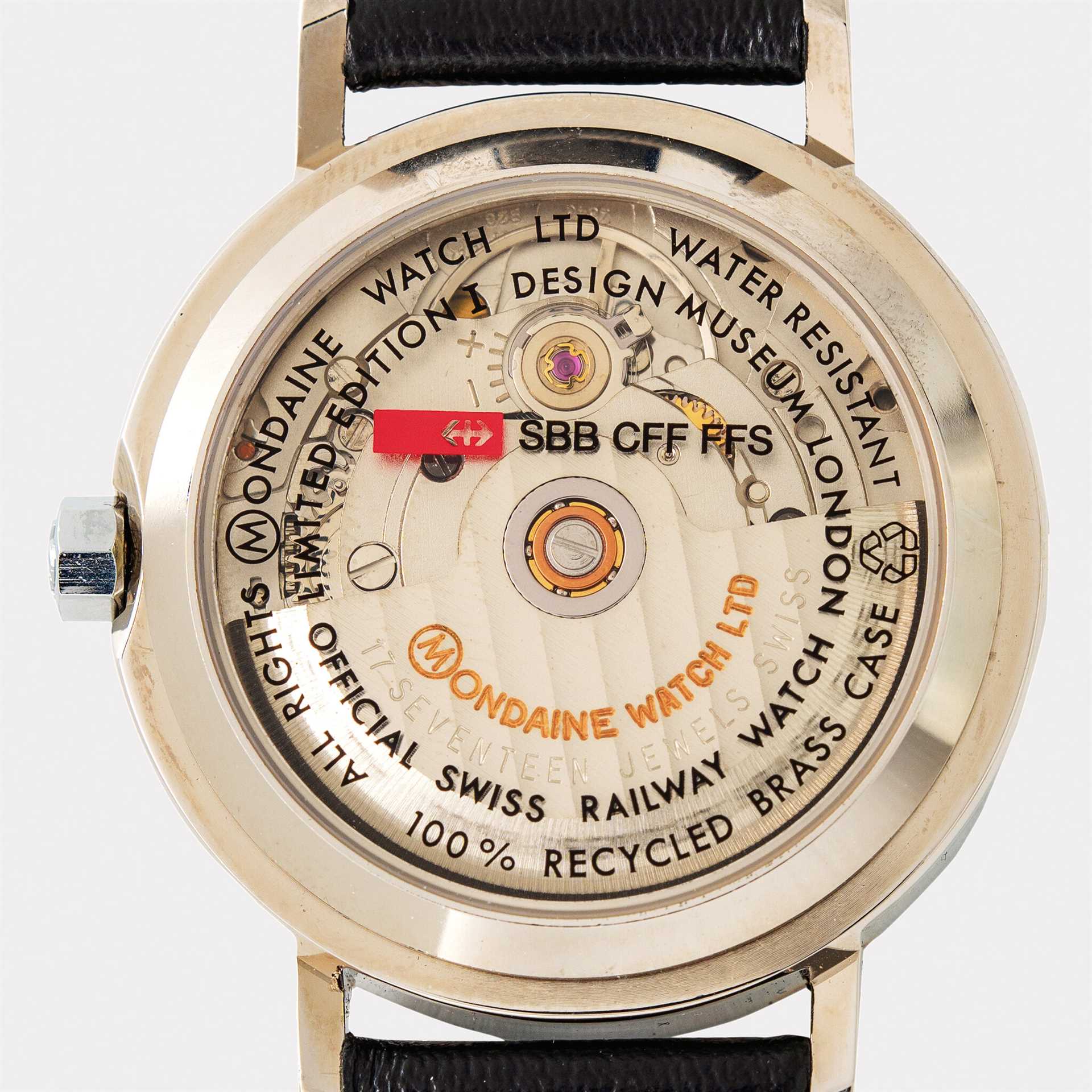
Transforming vintage timepieces into new products is feasible through various recycling initiatives. Numerous organizations accept these items, ensuring that valuable materials are repurposed rather than discarded.


For those looking to part with their unused devices, consider donating to charities that specialize in refurbishing and redistributing them. This approach not only supports environmental sustainability but also assists individuals in need.
Another avenue involves local jewelers who may offer exchange programs, turning the components of discontinued mechanisms into new designs or upcycled accessories. Engaging with skilled artisans can ensure that the materials are utilized creatively while honoring heritage craftsmanship.
Scrap metal collectors also play a role in this process. Many components, such as stainless steel or precious metals, fetch value in the recycling market. It’s wise to research local recycling centers that accept such materials.
Lastly, certain brands provide take-back programs, allowing customers to return their devices for proper dismantling and material recovery. Exploring manufacturer options can yield significant benefits, contributing to a circular economy.
Identifying Recyclable Materials in Timepieces
Examine components meticulously to determine which materials can be repurposed. The primary materials found include:
- Metals: Stainless steel, titanium, gold, and silver are often utilized in cases, bands, and internal mechanisms. These metals can be extracted and reused in various industrial applications.
- Glass: Mineral and sapphire crystals can be recycled, though the process requires specific methods due to their properties.
- Plastic: Some timekeeping devices feature plastic parts or bands that may be processed, particularly if marked with recycling symbols.
- Leather: Straps made from leather can be upcycled into new products or materials, although proper treatment is necessary to ensure durability.
- Electronic Components: Quartz movements and batteries contain valuable materials, including lithium and other metals that can be reclaimed.
Seek local recycling facilities or organizations specializing in electronic waste for guidance on processing these materials appropriately. Each component’s extraction requires careful handling to maximize potential reuse and minimize environmental impact.
Document the process of disassembly to evaluate the feasibility of recovering each material efficiently. Consider collaboration with professionals experienced in materials recovery to enhance the overall effectiveness.
Steps to Prepare Your Timepiece for Recycling
Remove the battery before proceeding with the recycling process. This ensures safety and prevents leakage of harmful substances.
Disassemble the casing using appropriate tools. Separate the various components such as the casing, crystal, and strap. Be cautious when handling small parts.
Identify and sort materials. Common components include stainless steel, brass, glass, and leather. Sorting aids in the recycling process, maximizing the efficiency of material recovery.
Check for any non-recyclable elements, like certain types of plastic or intricate electronic parts. Proper disposal of these elements is necessary to avoid contamination.
Clean each part thoroughly to remove any dirt or debris. This enhances the quality of recyclable materials and prepares them for processing.
Research local guidelines. Different regions may have specific protocols for disposing of various materials. Ensure compliance to streamline the recycling effort.
Consider donating functional pieces. If the timepiece still works, find organizations or individuals who may benefit from it. This extends the life of the item and reduces waste.
Package the separated materials carefully for drop-off or pickup. Use sturdy boxes to prevent damage during transport and keep materials organized.
Where to Drop Off Unwanted Timepieces for Recycling
Several options exist for disposing of timepieces in an environmentally friendly manner. Start by checking with local jewelry stores; many offer take-back programs to recycle components. Authorized dealers of specific brands often have initiatives for collecting worn-out items.
Recycling Locations
Municipal waste facilities may also accept timepieces for proper disposal. Contact your local recycling center to ascertain their guidelines on hazardous materials, as some timepieces contain batteries and other components that require special handling.
Nonprofit Organizations
Consider donating to nonprofit organizations that refurbish timepieces for charitable causes. This option extends the life of the item while supporting a good cause. Websites like eBay for Charity may also facilitate the resale or donation of timepieces, promoting sustainability.
The Environmental Benefits of Recycling Timepieces
Recycling timepieces significantly decreases environmental impact by conserving resources and reducing waste. Each component can be reclaimed, minimizing the need for new materials and energy consumption during manufacturing processes.
Resource Conservation
Metals such as stainless steel, gold, and silver can be recovered from dismantled timepieces, decreasing the demand for mining and refining. This preservation of raw materials supports sustainable mining practices and enhances ecological balance.
Waste Reduction
By diverting used timepieces from landfills, harmful chemicals and non-biodegradable materials are less likely to leach into the soil and groundwater. Disposal in landfills can lead to toxic exposure for surrounding ecosystems. Recycling mitigates these risks, fostering cleaner habitats.
Community Awareness about the importance of recycling these items promotes eco-friendly habits and encourages responsible consumer behavior. Initiatives to collect and process these pieces serve to educate the public about environmental stewardship.
Ultimately, embracing recycling methods not only supports resource management but also plays a significant role in safeguarding the planet for future generations.
Alternatives to Recycling: Repurposing Timepieces
Transforming an unused timepiece into something functional or artistic can be a rewarding endeavor. Here are several creative ways to repurpose these items.
Jewelry and Accessories
Disassemble the components of the timepieces and use gears, springs, or watch faces to create unique jewelry pieces. Consider crafting necklaces, bracelets, or earrings that offer a quirky aesthetic and serve as conversation starters.
Home Décor
Use cases or watch faces as decorative elements in your home. Here are a few suggestions:
| Item | Repurposing Ideas |
|---|---|
| Clock Cases | Convert them into photo frames, keeping memories alive in a stylish way. |
| Watch Faces | Create wall art or attach them to shadow boxes to display a unique collection. |
| Leather Straps | Reuse them as chic bookmarks or even as straps for bags. |
Engaging in such projects not only finds a new purpose for these items but also contributes to sustainability by minimizing waste.
Common Misconceptions About Watch Recycling
Many believe that timepieces are not suitable for recycling due to their complex components. In reality, most brands manufacture these items with recyclable materials such as stainless steel, gold, and even certain plastics.
Misperception 1: All Components Are Not Recyclable
While it is accurate that some internal mechanisms may not be recycled, the metallic parts often can be processed. Many organizations focus on extracting valuable materials from these items for reuse in new products.
Misperception 2: Recycling Is Time-Consuming
A common myth suggests that recycling these accessories requires significant effort. However, many local facilities accept them without the need for disassembly. Simply dropping them off can suffice.
- Check with local recycling centers.
- Some jewelry shops offer take-back programs.
- Communities may host special collection events.
Misperception 3: It Is Not Environmentally Beneficial
Contrary to some beliefs, reusing materials from these accessories significantly reduces the need for new raw materials. This process conserves energy and reduces harmful emissions associated with mining and manufacturing.
Misperception 4: All Brands Participate in Recycling Initiatives
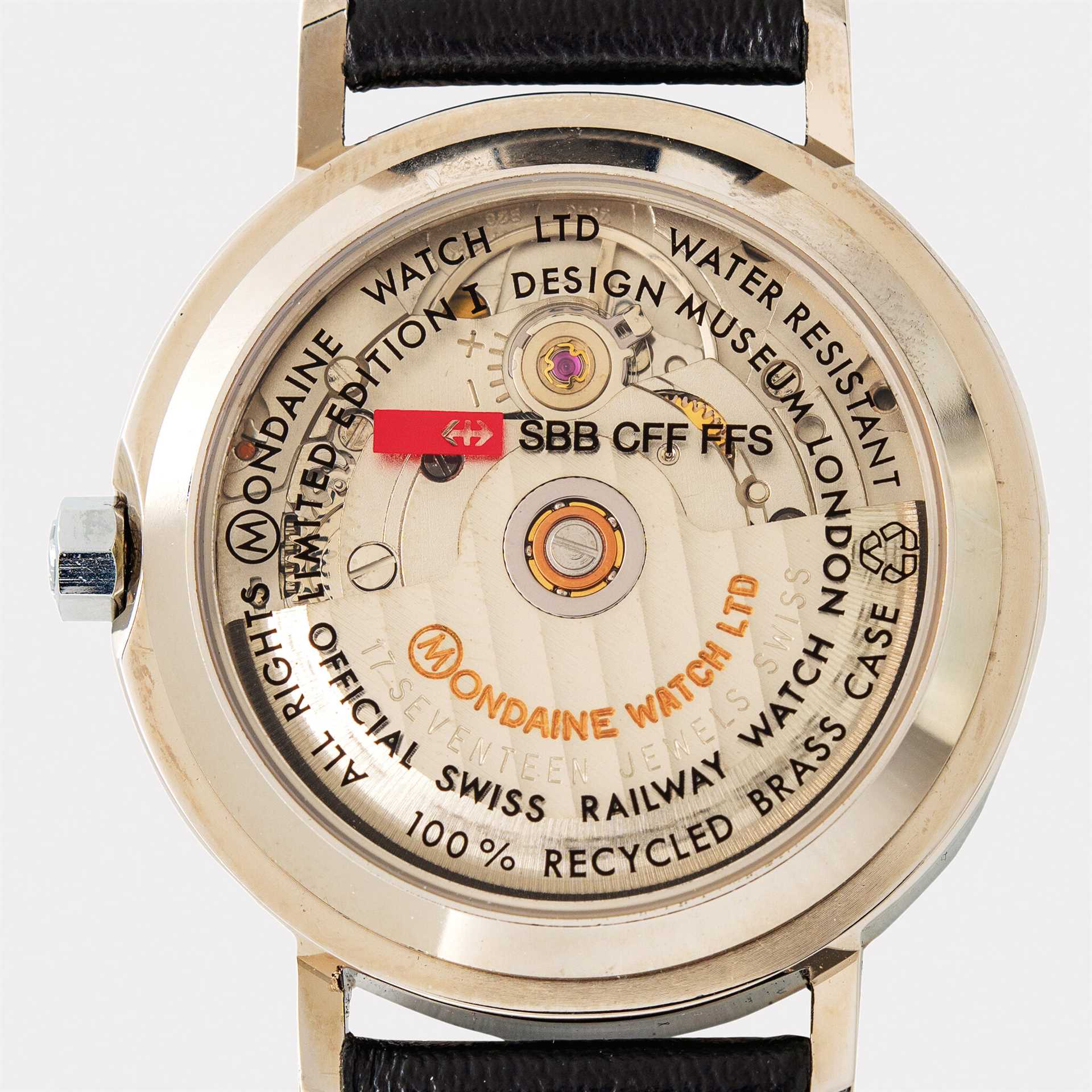
Not all manufacturers have established recycling programs. It is crucial to research brands to identify which offer options for returning or recycling products. Some companies may involve users in upcycling initiatives, making it essential to stay informed.
Misperception 5: Only Unwanted Watches Can Be Recycled
Even functioning timepieces can be recycled and reused. Donating or returning them can lead to a second life for these items, helping others while supporting eco-friendly practices.
By clearing up these misconceptions, individuals can make more informed decisions regarding their timepieces, ultimately contributing to sustainability efforts.


