Ethan Cole

Choosing the right timepiece is crucial to prevent discomfort in the forearm area. Tight straps, heavy materials, or improper fit can lead to irritation or pain. Opt for bands that allow some flexibility, and consider lightweight materials such as silicone or fabric.
Regular adjustments can play a vital role in comfort. A well-fitted accessory should rest snugly without feeling restrictive. Monitor your skin for signs of redness or indentation, which may indicate excessive pressure. Switching to a slightly looser fit during extended wear can alleviate discomfort.
Furthermore, take breaks throughout the day. Removing the accessory for a few minutes allows the skin to breathe and recover. Incorporating wrist exercises can also enhance circulation and reduce stiffness from prolonged use. Prioritize a balance between style and comfort for a more enjoyable experience.
Can Wearing a Timepiece Cause Discomfort in the Arm?
Adjustment of fit is paramount. Ensure the clasp is neither too tight nor too loose to avoid irritation. A snug but comfortable fit prevents chafing and allows for proper blood circulation.


Regularly inspect the material of the band. Some individuals are sensitive to certain metals or synthetic materials, leading to rashes or irritation. Opting for hypoallergenic options can minimize adverse reactions.
Be mindful of usage duration. Long periods of wear can lead to soreness. It’s advisable to remove the accessory during activities that may cause strain or repetitive motion in the arm.
Maintain cleanliness of the strap. Accumulation of sweat, dirt, and skin oils can lead to discomfort and skin issues. Regular washing or use of breathable materials is beneficial.
Consider the weight of the accessory. Heavier models may induce fatigue over time; lighter designs can reduce strain on the arm.
Monitor for any signs of injury. If any discomfort arises, reassess wear habits, and consult a professional if symptoms persist.
| Tip | Description |
|---|---|
| Fit Adjustment | Maintain a comfortable but secure fit to prevent irritation. |
| Material Selection | Choose hypoallergenic materials to avoid skin reactions. |
| Usage Duration | Remove during strenuous activities to reduce strain. |
| Regular Cleaning | Keep the strap clean to prevent skin issues. |
| Weight Consideration | Opt for lighter designs to minimize fatigue. |
| Monitor Symptoms | Pay attention to any discomfort; seek advice if needed. |
Impact of Watch Weight on Wrist Comfort
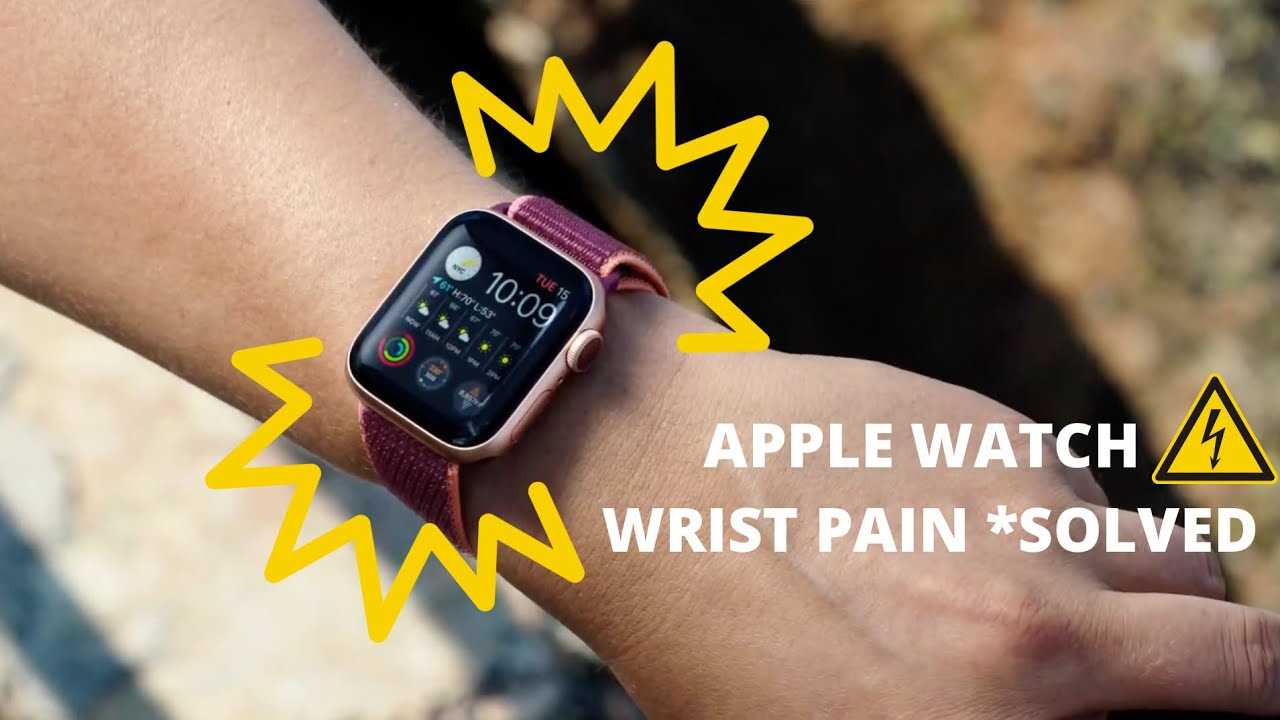
Choosing a timepiece with an appropriate mass significantly influences comfort levels. Heavier models may result in strain, leading to soreness or fatigue over extended periods of use. It’s advisable to opt for lighter designs, particularly for daily wear, as excessive weight can contribute to discomfort and potential irritation.
Recommended Weight Range
For optimal wrist comfort, select a wrist accessory weighing between 50 to 100 grams. This range balances presence and lightness, allowing for easier mobility and reduced pressure on the arm. Test several pieces within this bracket to identify the most pleasant experience without compromising style.
Material Considerations
The choice of material affects both aesthetics and weight. Stainless steel provides durability but tends to be heavier, while titanium offers a robust yet lighter alternative. Resin and silicone bands are excellent choices for minimal weight, improving overall comfort. Prioritize materials that suit both personal style and physical comfort for sustained wear.
Choosing the Right Strap Material to Prevent Irritation
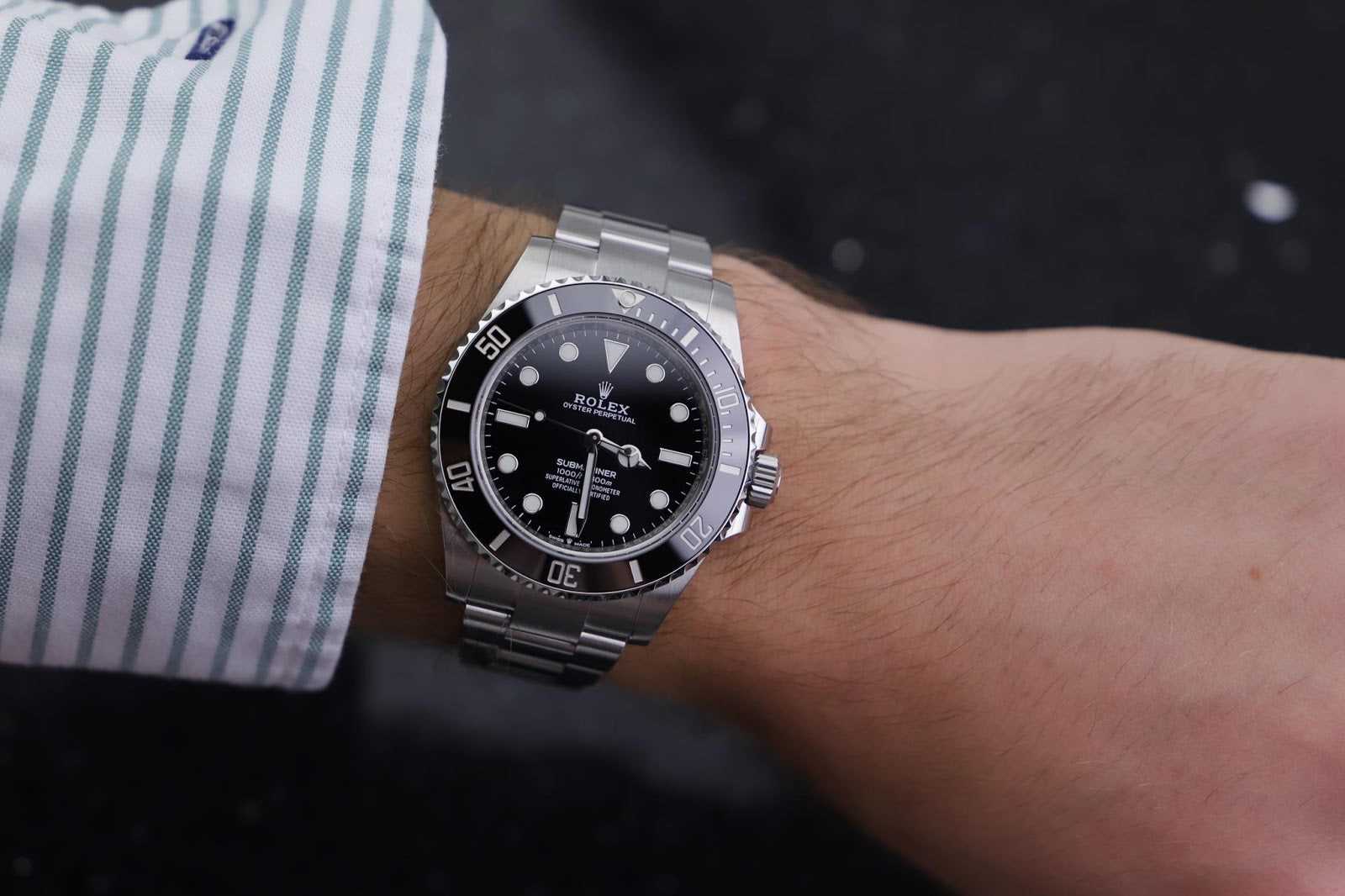
Select leather, silicone, or fabric for a comfortable fit that minimizes skin irritation. Leather provides breathability and natural softness, making it ideal for long-term use. Ensure it is of high quality and properly treated to avoid moisture retention and odors.
Silicone straps are lightweight and flexible, perfect for active individuals. They are waterproof and resistant to sweat, making them an excellent choice for those with sensitive skin. Choose hypoallergenic options to reduce the chance of allergic reactions.
Fabric materials, like nylon or canvas, offer breathability and comfort. They wick moisture away and are gentle on the skin, reducing friction. Look for straps with adjustable features for a tailored fit, promoting airflow around the skin.
Maintenance Tips for Strap Longevity
Regular cleaning of straps is crucial for preventing buildup of dirt and sweat that may cause irritation. For leather, use a damp cloth and appropriate leather cleaner. Silicone and fabric can often be washed with mild soap and water to keep them fresh and hygienic.
Adjusting Fit for Comfort
Ensuring the correct size is essential. A strap that is too tight can cause discomfort or restrict circulation, while one that is too loose may cause chafing. Experiment with different notches or holes to find the most comfortable setting for prolonged wear.
Optimal Watch Fit: How Tight is Too Tight?
For maximum comfort, a timepiece should fit snugly but not constrictively. Aim for a balance where the device remains secure without causing indentations on the skin. A good starting point is to check if one can comfortably slide a finger beneath the band; if not, it may be overly tight.
Monitor for any signs of discomfort. Redness, swelling, or a tingling sensation indicates an excessive grip around the joint. Frequent adjustments throughout the day might be necessary to maintain a suitable fit, especially after physical activities. Given body temperature variations and movements, watch positioning may require periodic changes.
Thickness of the Band
The thickness of the strap can significantly influence fit. Thicker bands often create more pressure on the skin, particularly during extended wear. Opt for materials that offer flexibility, such as silicone or fabric, which tend to conform better to the body’s contours, reducing strain.
Activity Level Considerations
Activity levels also play a role in optimal fit. When engaging in sports or manual tasks, a looser fit can provide comfort and prevent friction, while a tighter band could lead to increased irritation and distraction. Assessing your daily routine is important for determining an appropriate fit that supports both functionality and comfort.
Signs of Discomfort: When to Remove Your Watch
If experiencing any of the following symptoms, consider taking off your timepiece:
- Pain: Sharp or persistent soreness indicates an immediate need for removal.
- Redness: Noticeable skin irritation or discoloration suggests that the strap may be too tight or made of an irritating material.
- Swelling: Any swelling around the area where the device sits may indicate excessive pressure, warranting its removal.
- Numbness or Tingling: Changes in sensation can signal restricted blood flow, requiring urgent attention.
- Chafing or Abrasions: Any sign of skin wear or friction suggests a poor fit or incompatible material.
- Excessive Heat: If skin feels unusually warm under the band, it’s a sign that airflow may be restricted, indicating a potential need for adjustment.
Regularly assess comfort levels; if discomfort persists despite adjustments, it may be time to explore different styles or models. Prioritizing comfort ensures that the accessory remains an enjoyable part of daily life.
Preventative Measures for Long-Term Watch Wearers
Regularly rotating timepieces helps avoid irritation caused by prolonged pressure on the same area of the arm. This practice allows the skin to recover and reduces the risk of developing sore spots or rashes.
Material Swaps
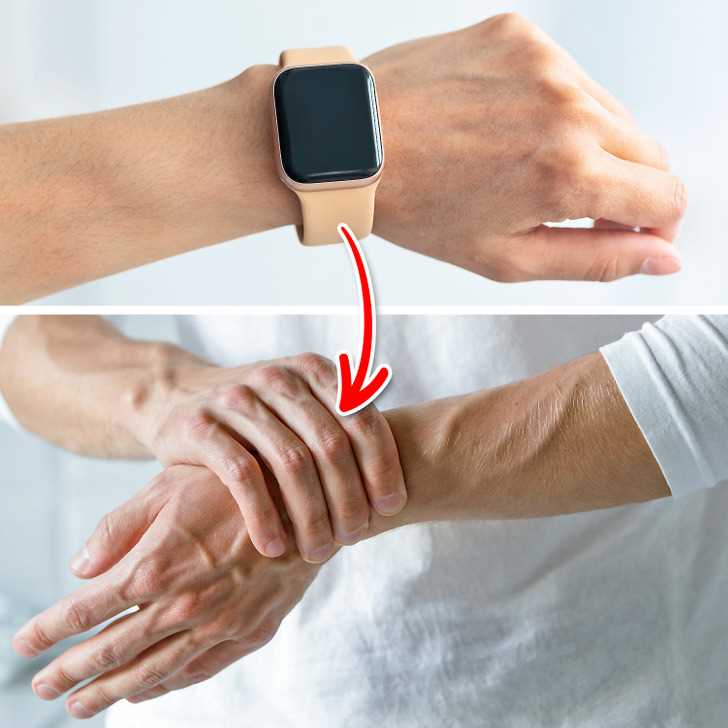
Selecting different strap materials can greatly influence comfort. Consider using:
- Breathable fabrics like nylon or canvas for daily activities.
- Silicone or rubber for sports or outdoor activities, which offer flexibility and moisture resistance.
- Leather for formal occasions, ensuring it is well-conditioned to prevent cracking.
Scheduled Breaks
Establishing intervals for removing the accessory is beneficial. Aim for:
- 15-30 minutes of removal every few hours to relieve pressure.
- Extended breaks during activities that require repetitive arm movement to prevent discomfort.
Engaging in wrist and forearm stretches enhances blood circulation and can mitigate stiffness over time. Prioritize hydration and skincare to maintain skin elasticity, further preventing irritation from prolonged accessory use.
FAQ:
Can wearing a watch cause wrist pain?
Yes, wearing a watch can lead to wrist pain, especially if the watch is too tight or heavy. A tight watch can restrict blood flow and cause discomfort, while a heavy watch can put excess pressure on the wrist over time. It is important to wear a watch that fits properly and to take breaks if you experience any pain.
What factors should I consider to avoid wrist discomfort from wearing a watch?
To prevent wrist discomfort from a watch, consider factors such as size, weight, and strap material. Choose a watch that fits comfortably, allowing for movement without being too loose or too tight. Lighter watches can exert less pressure on the wrist, and materials like leather or fabric can be more comfortable than metal. It is advisable to adjust your watch periodically and remove it when engaging in activities that could strain your wrist.
Is there a difference in wrist pain between analog and digital watches?
There may be a difference in wrist pain experienced between analog and digital watches, primarily due to design and weight. Analog watches often have heavier mechanisms, which can add extra pressure on the wrist. Digital watches, on the other hand, tend to be lighter and less bulky. However, individual experiences may vary based on the specific models and personal fit, so it is important to try on different types to see what feels best.