
 Ethan Cole

Applying specialized coatings to the underside of timepieces presents a viable strategy for individuals sensitive to specific alloys. Such treatments prevent skin contact with materials that typically trigger hypersensitive reactions.
Various alternatives exist, including titanium nitride and ceramic coatings, both of which offer substantial durability alongside hypoallergenic properties. Manufacturers often utilize these technologies to create a barrier, effectively shielding the skin from irritants.
Seeking professional consultation can further identify personalized solutions. Experts may recommend custom modifications to existing pieces or suggest models already designed with allergy considerations in mind.

Regular maintenance of the item is equally important. Keeping the surface clean ensures longevity of both the coating and the device, contributing to a more comfortable wearing experience.
Options for Coating to Alleviate Reactions
Applying a protective layer to the underside of timepieces is a practical solution for those sensitive to certain materials. Several techniques and materials are available to create a barrier between the skin and the metal, reducing the risk of irritation.
Common Coating Materials
- Nickel-free alloys: Choosing alloys that do not contain nickel can significantly minimize allergic reactions.
- Coatings such as epoxy or polyurethane: These synthetic materials can be applied to form a robust layer, offering durability and resistance to wear.
- Medical-grade silicone: Flexible and skin-friendly, silicone can be an excellent option for users with severe sensitivities.
Application Process
- Surface preparation: Thorough cleaning of the metal surface is critical to ensure proper adhesion of the coating.
- Application: A spray, dip, or brush-on method can be utilized based on the chosen coating type.
- Curing: Allow sufficient time for the coating to cure, forming a protective barrier that will endure daily wear.
Opting for these methods can significantly improve comfort for individuals prone to reactions, extending the enjoyment and wearability of personal accessories.
Understanding Reactions to Materials Used in Timepieces
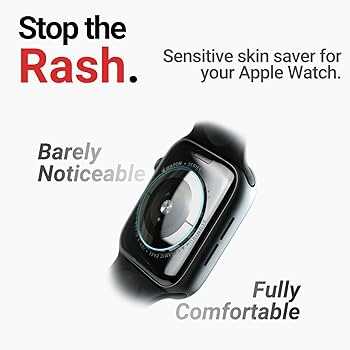
Individuals experiencing skin irritations often react to specific components in timekeepers, particularly the alloys employed in creating straps and cases. The primary offending agents are nickel, cobalt, and chromium. Selecting designs that utilize hypoallergenic materials, such as surgical stainless steel, titanium, or ceramics, can significantly mitigate adverse reactions.
Materials to Consider
Opting for components composed of high-grade titanium or platinum, which are less likely to induce irritation, offers a practical solution. Additionally, some manufacturers provide pieces with special finishes, reducing skin contact with allergens. Ceramic models also present an excellent alternative due to their non-reactive nature.
Monitoring Skin Conditions

Regularly inspecting the skin for signs of irritation after wearing a timepiece is advisable. If redness, itching, or swelling occurs, consulting a dermatologist can provide tailored recommendations. Patch testing may also determine specific sensitivities, allowing individuals to make informed choices about their accessories.
Common Coating Materials for Watch Backs
Common choices for protective layers include titanium, which provides excellent corrosion resistance and is lightweight. Another option is ceramic, known for its durability and hypoallergenic properties. Additionally, PVD (Physical Vapor Deposition) coatings, often applied to metals, create a hard, scratch-resistant finish while reducing allergic reactions.
Gold plating, though less common due to potential allergic responses, serves as an option for luxury pieces, offering a barrier against skin contact with more reactive metals. Epoxy resins are also utilized, providing a smooth protective layer and enhancing aesthetics.
Silicone coatings are increasingly favored for their flexibility and comfort, ideal for those sensitive to traditional materials. Each of these coatings plays a significant role in minimizing skin irritation while prolonging the lifespan of the timepiece.
Application Process for Coating Watch Backs
To improve tolerance for individuals sensitive to certain materials, a specialized application of protective finishes can be beneficial. First, ensure the surface is free of contaminants by cleaning thoroughly with isopropyl alcohol. Allow it to dry completely to achieve maximum adhesion.
Select a high-quality coating that offers hypoallergenic properties, such as medical-grade silicone or polyurethane. These options not only form a barrier but also enhance durability against wear and tear.
After selecting the finish, use a fine brush or spray application method for even coverage. Apply a thin layer, taking care to avoid drips or pooling, which can compromise the finish. Let it cure as per the manufacturer’s instructions, usually involving a specified drying time at room temperature.
Once the initial layer is dry, a second coat may be necessary for added protection. Repeat the application process to ensure comprehensive coverage, particularly in areas prone to contact with the skin. After the final coat has cured, inspect for any missed spots or imperfections.
For long-lasting performance, consider periodic maintenance and reapplication based on wear patterns. Regular assessments help maintain effectiveness and prolong comfort for sensitive skin. Always document the type and date of the applied coating for future reference.
Testing and Certification for Hypoallergenic Coatings
Compliance with international standards is essential when evaluating the safety of hypoallergenic finishes. Utilizing recognized testing methods ensures that the surfaces meet the necessary criteria for skin compatibility. Various organizations, such as the ASTM International and ISO, provide guidelines for testing the biocompatibility of materials used in personal accessories.
Common testing involves the following approaches:
| Test Type | Description |
|---|---|
| Patch Tests | Involves applying coated samples onto the skin for a specific duration to observe any allergic reactions. |
| In Vivo Testing | Conducted on animal models to assess the biological response to the materials used. |
| In Vitro Testing | Utilizes cultured human cells to evaluate the cytotoxicity of coatings. |
| Extract Testing | Determines if any harmful substances leach from the coatings when in contact with skin. |
Certification marks, such as the Oeko-Tex Standard 100, signify that the coatings have undergone rigorous testing for harmful substances. Consumers should look for such certifications when selecting coated items.
Regular audits and re-evaluation of the manufacturing processes assure compliance with safety standards and quality control. This step helps manufacturers maintain transparency about the material properties and potential impacts on users’ skin health.
Alternatives to Coating for Sensitive Skin
Opt for materials known for hypoallergenic properties such as titanium, surgical stainless steel, or ceramic. Each of these alternatives minimizes the risk of skin reactions while maintaining durability and aesthetic appeal.
Consider silicone as an excellent choice, especially for straps. This flexible material is often more comfortable and less likely to irritate sensitive skin.
- Titanium: Lightweight and highly resistant to corrosion, titanium is often favored for its skin-friendly qualities.
- Surgical Stainless Steel: Specifically grades 316L or 904L offer high resistance to rust and tarnishing; ideal for sensitive dermis.
- Ceramic: Non-metallic, scratch-resistant, and available in various colors, ceramic also provides a stylish option without compromising comfort.
Explore leather or fabric straps, crafted from materials that do not trigger reactions. These options not only provide comfort but can add a unique flair to your accessory.
- Ensure the choice of leather is hypoallergenic and treated to avoid irritation.
- Look for breathable fabric blends to prevent moisture buildup against the skin.
Always prioritize regular cleaning of accessories to reduce skin contact with allergens. This practice enhances longevity and preserves comfort levels. Furthermore, when purchasing, inquire about product specifications to ascertain materials used and any potential irritants.


