
 Ethan Cole
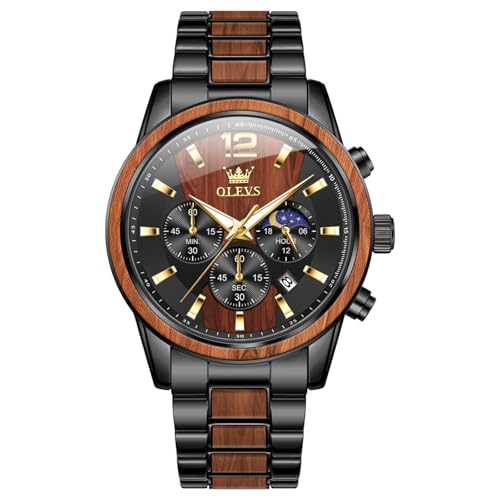
Yes, in many cases, certain timepieces can appreciate in worth, making them not just accessories but also potential investments. Market trends indicate that luxury brands such as Rolex and Patek Philippe frequently show significant resilience against depreciation. For instance, some models have been observed to double or even triple their retail prices over a period of years, especially if they are kept in excellent condition and come with original packaging and documentation.
Research suggests that limited editions and vintage pieces tend to perform better in terms of financial appreciation. Specific model attributes, such as rarity, craftsmanship, and historical significance, play a pivotal role in determining resale potential. A particular model may see demand increase as collectors or enthusiasts seek to add unique items to their collections.
It is advisable to monitor auction results and secondary market prices closely. Platforms that specialize in luxury goods can provide valuable insights into what specific models are fetching in terms of resale. Additionally, joining collector communities can enhance understanding of trends and preferences that influence worth.
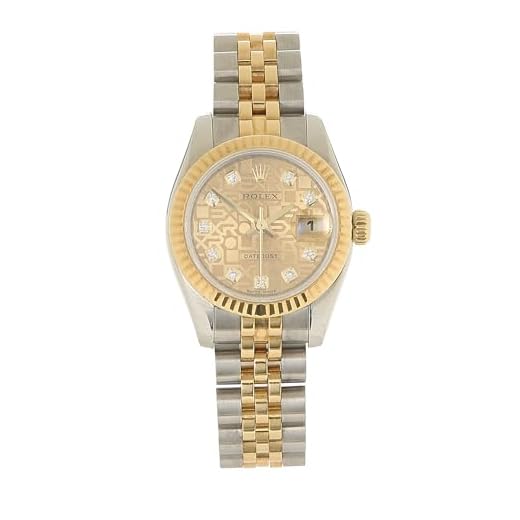

Do Wrist Watches Hold Their Value
Investing in high-quality timepieces often proves beneficial. Brands such as Rolex, Patek Philippe, and Audemars Piguet exhibit impressive appreciation rates, sometimes reaching upwards of 10% annually.
Condition plays a significant role; pieces in excellent shape with original packaging and documentation garner higher prices. Limited editions or discontinued models frequently attract collectors, increasing desirability.
Market trends demonstrate that models favored by celebrities or featured in popular media can spike in demand, enhancing resale potential. Research current auction results to gauge which models appreciate consistently.
Active communities and specialized platforms provide insights into buying and selling, aiding in strategic decision-making. Engaging with fellow enthusiasts can yield valuable information about emerging trends.
Ultimately, diversifying selections and focusing on timeless designs helps ensure a robust investment. Prioritize pieces with iconic status or unique attributes for optimal long-term retention.
Factors Influencing Watch Resale Value
To maximize return on an investment in timepieces, focus on the following elements:
- Brand Reputation: Renowned brands with a history of quality and prestige typically retain superior resale prices. Seek brands with a strong heritage, as they tend to attract collectors.
- Model Scarcity: Limited editions or discontinued models are often more sought after. Rarity significantly enhances a model’s desirability and market price.
- Condition: The physical state directly affects resale potential. Ensure that the item is well-maintained, serviced regularly, and free from significant wear or scratches.
- Documentation and Accessories: Original boxes, papers, and documentation contribute to authenticity. Having these items can significantly enhance appeal and equity.
- Market Demand: Trends fluctuate. Stay informed about popular models and what collectors are currently seeking. Timing a sale for high-demand periods can lead to better financial outcomes.
- Materials and Craftsmanship: Timepieces made with premium materials (such as gold, platinum, or unique alloys) often offer better resale prospects. Complicated mechanisms or innovative designs can boost desirability as well.
- Provenance: A notable previous owner or a unique story can increase interest. Items that have a rich history often command higher prices.
- Market Platforms: Choose the right avenue for selling. Trusted auction houses or specialized marketplace platforms can attract the right audience and yield higher prices.
Pay attention to these aspects to enhance the potential return on investments in timepieces and make informed decisions regarding purchase and sale strategies.
Comparison of Luxury vs. Non-Luxury Timepieces
Luxury brands consistently outperform non-luxury counterparts in resale markets. For instance, Rolex and Patek Philippe exhibit remarkable stability, often appreciating over time. Certain models, like the Rolex Submariner, can command prices significantly above retail, whereas typical fashion brands depreciate rapidly once purchased.
Rarity significantly impacts desirability. Limited editions from renowned houses tend to sell at premiums, sometimes fetching twice their initial cost. In contrast, mass-produced items struggle to retain interest and can lose up to 70% of the initial price shortly after acquisition.
Materials and craftsmanship play significant roles in distinctions. Precious metals and complex movements found in luxury models contribute to collector interest and long-term prospects. Examples include Omega’s Co-Axial escapement–a feature that enhances both performance and collectibility.
Brand heritage also influences market perceptions. Iconic labels with rich histories often attract buyers seeking both status and investment. Non-luxury brands, while functional, rarely evoke the same emotional engagement, affecting resale returns.
Condition remains paramount; pristine examples of high-end models can fetch numerous offers, while wear and tear on lesser brands diminish appeal. Proper maintenance ensures longevity, further securing potential returns on investment.
Market dynamics, including economy fluctuations and collector trends, can also sway pricing. However, established luxury brands typically endure economic downturns better than non-luxury offerings, retaining a more resilient demand base.
Impact of Brand Reputation on Timepiece Value Retention
Brand reputation significantly influences the resale potential of a timepiece. High-profile manufacturers such as Rolex, Patek Philippe, and Audemars Piguet are known for maintaining rigid quality standards and exclusivity, leading to sustained demand in secondary markets.
Consider the following factors regarding brand prestige:
- Heritage: Brands with a rich history often command higher prices. For example, brands founded over a century ago tend to attract collectors and enthusiasts.
- Exclusivity: Limited edition models or rare timepieces from esteemed labels significantly enhance desirability. Scarcity often drives up appreciation.
- Quality: Renowned brands are associated with superior craftsmanship, resulting in prolonged consumer trust and interest.
- Marketing and Endorsements: Effective promotional strategies and celebrity endorsements can elevate brand image, enhancing demand and subsequent resale figures.
Research suggests that timepieces from reputable brands can appreciate by more than 50% within certain time frames, while lesser-known manufacturers may depreciate rapidly. Therefore, when selecting a timepiece, prioritizing renowned brands can prove beneficial for long-term investment considerations.
Track the market trends of high-end labels and observe historical resale data for guidance. A well-informed choice can safeguard against market fluctuations and increase investment longevity.
Market Trends Affecting Watch Prices Over Time
To stay informed about market dynamics that influence the pricing of timepieces, focus on consumer preferences and economic conditions. Key factors include brand popularity, limited editions, and technological innovations, which significantly sway demand and influence resale opportunities.
Current taste trends lean towards vintage and heritage models, driving prices upward, especially for iconic pieces from renowned manufacturers. The luxury segment sees consistent demand, boosted by a growing number of collectors who view timepieces as investment opportunities.
Economic fluctuations also play a role. During periods of economic downturn, the demand for non-luxury pieces may decline, while high-end items often retain desirability due to their status symbol nature. Interest rates and inflation can further affect buyer behavior, as potential owners consider the financial implications of their purchases.
| Trend | Impact on Prices |
|---|---|
| Brand Popularity | Increased demand leads to higher prices |
| Limited Editions | Higher resale value due to scarcity |
| Technological Innovations | Attracts tech-savvy buyers, increasing value |
| Economic Conditions | Fluctuating demand based on consumer confidence |
| Collector Trends | Drives interest and prices of vintage models |
Keeping an eye on these trends will enable individuals to make informed decisions regarding acquisitions, ensuring that investments yield favorable returns over time.
How to Maintain Your Watch for Better Value
Regularly service your timepiece according to manufacturer recommendations, typically every 3 to 5 years. Professional servicing ensures that all components function optimally and extends the lifespan.
Store your item in a protective case or box to prevent scratches and exposure to extreme temperatures or humidity. Avoid wearing it during physically strenuous activities to minimize wear and tear.
Clean the exterior with a soft, lint-free cloth to remove dirt and moisture. For deeper cleaning, consult a professional, especially for intricate designs or delicate materials.
Avoid exposing your accessory to chemicals, including perfumes, lotions, and cleaning products. These can damage the materials and finishes over time.
Utilize a watch winder for automatic models to keep the movement lubricated, preventing the internal components from seizing and maintaining accuracy.
Finally, maintain all documentation and original packaging. These items significantly enhance appeal during resale, as buyers often seek complete sets.


