
 Ethan Cole

Opt for the dominant side for optimal functionality. Most individuals find ease in positioning a timekeeping device on their dominant arm, as this helps streamline daily activities. If left-handed, consider the right arm; vice versa for right-handed users. This alignment aids in avoiding potential damage during routine tasks.
Comfort plays a significant role. Evaluate the wrist’s flexibility and movement range. While the left side may seem conventional, personal comfort dictates preference. A snug fit is crucial; ensure the band allows natural mobility without constriction.
Style and aesthetic impact should not be overlooked. An accessory’s placement can enhance overall appearance; experiment with both wrists to identify what complements your wardrobe. Influences from cultural or social contexts may also sway one’s decision, making it a personalized choice.
Left Wrist vs Right Wrist: Popular Trends
Choosing to place a timepiece on the left or right forearm reflects personal style, practicality, and cultural influences. Research indicates that approximately 90% of the population prefers the left side for wearing timepieces. This trend often stems from the prevalence of right-handedness, making access and visibility more convenient.
Right-handers typically find placing a watch on the left side minimizes interference while performing tasks. Alternatively, left-handed individuals may opt for the right side to maintain similar functionality. In fashion circles, notable figures such as musicians and athletes often sport their accessories on the opposite side to make a bold statement or to showcase unique pieces more prominently.

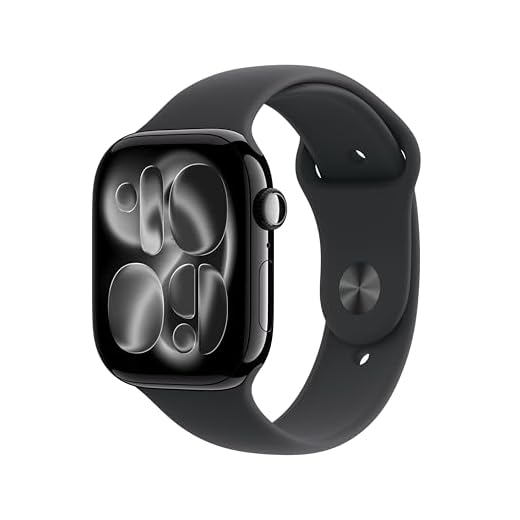

Additionally, lifestyle factors influence decisions. For example, individuals engaged in manual labor or sports may favor a more strategic positioning to ensure comfort and protection for their timepieces. Recent surveys show that younger generations are increasingly experimenting with unconventional placements, such as wearing watches on the inside of the arm or alternating wrists, reflecting personal expression over traditional norms.
Color, strap style, and watch size can also affect preferences. Sleek designs may lend themselves better to left placement, while bulkier models might be more comfortably fitted on the right. Current fashion trends suggest that mismatched accessories are gaining popularity, leading many to choose placements based on aesthetics rather than functionality alone.
Comfort and Functionality for Daily Activities
For maximum comfort during daily tasks, position the timepiece opposite to your dominant hand. This practice minimizes friction, especially during activities like typing, cooking, or exercising.
Optimal Placement for Various Activities
- Typing: If right-handed, place the timepiece on the left for smoother keyboard use, avoiding obstruction.
- Sports: Secure the device on the non-dominant side to prevent interference with movements. A left placement works best for right-handed individuals.
- Crafts: Left-hand users benefit from having the gadget on their right side, allowing better tool control.
Material Considerations
Select breathable materials to enhance comfort. Metal bracelets may irritate the skin during extended wear, while fabric or rubber straps often provide better ventilation and adaptability to wrist movement.
Choosing the right location for a timepiece can significantly enhance daily functionality and overall comfort, seamlessly integrating it into various aspects of life.
Watch Types and Their Recommended Wrist Placement
Different styles of timepieces can influence the ideal location for sporting them. Here are key recommendations based on types:
- Analog Watches:
- Classic analog models often fit comfortably on the left, especially for right-handed individuals. The crown typically faces the palm, ensuring ease of adjustment.
- Left-handers may prefer the opposite arrangement for similar reasons, allowing for quick access.
- Smartwatches:
- These gadgets frequently perform better on the non-dominant side, preventing accidental taps while using a smartphone or engaging in activities.
- Monitoring health metrics is often easier with the device snugly fitting the wrist, so adjust for comfort and sensor accuracy.
- Dive Watches:
- Featuring rotating bezels, these models are typically more convenient on the right side, allowing right-handed users to adjust settings without obstructing the view.
- Making adjustments underwater may also be more manageable with quick access using the dominant hand.
- Dress Watches:
- For formal occasions, traditional styling often lends itself well to placement on the left side. The polished look complements cuffed shirts without snagging.
- Fitness Trackers:
- These devices are most effective when fastened on the wrist that aligns with workouts. Non-dominant placement may better assist during rigorous physical activity.
Assess functional needs alongside personal style for optimal comfort and practicality. Each type carries unique features beneficial for specific preferences and situations.
Social and Cultural Significance of Wrist Choice
Choosing a side for timepiece placement transcends mere functionality; it reflects personal identity, cultural background, and societal norms. For instance, many cultures associate the left side with receiving and the right with giving, influencing how individuals select their preferred arm. In specific traditions, the left wrist symbolizes submission, while the right conveys authority.
Historical patterns reveal interesting tendencies. In Western cultures, most people gravitate towards the left side due to a majority of individuals being right-handed. A survey showed that approximately 60% preferred this choice, linking it to comfort and accessibility when using handheld devices. Conversely, some Asian cultures advocate for right-side placement, attributing it to auspicious beliefs or spiritual significance related to actions performed by the dominant hand.
Celebrity influence and fashion trends can significantly impact choices. High-profile figures often showcase timepieces on one particular side, prompting fans and followers to emulate their style. This can create a ripple effect, reinforcing collective preferences within specific demographics.
Gender also plays a role. Men typically opt for the left side, while women may choose either arm, often influenced by jewelry and accessories. This bifurcation points to a broader narrative regarding masculinity and femininity as expressed through watch selection.
| Arm Side | Cultural Context | Influences |
|---|---|---|
| Left | Common in Western cultures; symbolizes receptivity | Comfort and right-hand dominance |
| Right | Favored in various Asian cultures; signifies authority | Spiritual beliefs and traditions |
| Both | Less defined; reflects personal taste | Fashion trends and individual identity |
Ultimately, personal preference intertwines with cultural connotations, resulting in diverse practices around timepiece placement. Recognizing these nuances offers insight into broader societal trends and individual expression through accessory choices.
Impact on Watch Performance and Durability
Wearing timepieces on the dominant side can influence their operational longevity and resilience. For instance, if one is right-handed, placing the accessory on the left side may prevent unintentional impacts during routine tasks, enhancing protection from accidental damage.
The design of some watch models also plays a role. Watches with crown settings on the right side are often engineered for ergonomic comfort when positioned on the left. Conversely, models designed for left-handed individuals might face usability challenges if worn on the opposite arm, potentially compromising user experience.
Protection Against Environmental Factors
Positioning timepieces correctly can aid in shielding them from elements like moisture or dirt. Wearing a watch on the non-dominant side may reduce exposure during activities such as cooking or sports, decreasing the chances of grime buildup or water damage.
Strap Wear and Tear
The choice of arm impacts how wrist straps interact with the skin and clothes. If a timekeeping device is placed on the side that experiences more friction with sleeves or other materials, it can lead to accelerated wear, ultimately decreasing the lifespan of the strap. Selecting an appropriate arm helps maintain the integrity of both the device and its band, ensuring longevity.
Personal Preference: Finding Your Ideal Fit
Select a position that aligns with daily activities and lifestyle choices. Consider dominant hand functionality; for right-handed individuals, placing the timepiece on the left tends to be more practical, while the opposite applies for those who are left-handed.
Evaluate comfort by trying different positions to identify the most suitable fit. Take into account the shape of the forearm and aesthetic appeal, choosing a layout that complements personal style. Pay attention to wrist size; adjustability of the strap will impact overall experience, influencing movement and comfort throughout the day.
Consider occasions for usage. Formal events may benefit from showcasing the accessory prominently on the side that receives more attention. For sports or physical activities, ensuring the timekeeper is secure and not likely to interfere with performance is key.
Finally, personal affinity plays a significant role. Choosing a spot that feels natural can enhance the overall experience, allowing for an effortless connection with the device. Testing various placements can lead to discovering the ultimate fit for individual preferences and needs.
FAQ:
Does the wrist I wear my watch on affect its functionality?
Wearing a watch on one wrist versus the other may not significantly impact its core functionality. However, there are some practical considerations. For example, if you wear your watch on your dominant wrist, you might find it more convenient to operate the watch’s functions. Additionally, wearing it on your non-dominant wrist may help prevent scratches and damage from activities involving your dominant hand. It ultimately comes down to personal comfort and lifestyle preferences.
Are there any cultural or social implications of wearing a watch on a specific wrist?
Yes, there can be cultural and social meanings associated with which wrist you choose for your watch. In some cultures, wearing a watch on the left wrist is more common, especially for right-handed people. This might be linked to the practice of keeping your dominant hand free for tasks. Additionally, certain fashion trends or styles may dictate which wrist is considered more fashionable. Ultimately, the choice can reflect personal style, comfort, and cultural influences, making it a nuanced decision.



