
 Ethan Cole

For those considering wearable devices for cardiovascular monitoring, it’s essential to select models that exhibit precision in readings. Research indicates that devices equipped with oscillometric technology can offer reasonable estimates, but discrepancies are common compared to traditional methods.
Clinical studies reveal that certain brands report a variation of up to 15 mmHg from standard sphygmomanometers. Regular calibration and alignment with medical guidelines are key factors in ensuring consistent results. Users should compare readings with those from certified gauges during routine examinations.
While convenience is a hallmark of such gadgets, relying solely on these tools without corroboration from healthcare professionals may lead to misinterpretations. To maximize their utility, users are advised to understand the specific capabilities and constraints of their devices before incorporating them into regular health assessments.

Ultimately, maintaining an informed perspective will enhance the effectiveness of cardiovascular management and ensure that the data gleaned from wearables is both beneficial and actionable.
How Accurate Are Wrist Watch Blood Pressure Monitors
For obtaining reliable readings with these compact devices, proper technique is fundamental. Ensure the wrist is positioned at heart level during measurements to mitigate errors caused by gravity. Validating findings against traditional upper arm devices enhances trustworthiness.
Clinical studies have indicated that discrepancies can occur, especially in individuals with certain medical conditions. It’s essential for users to maintain regular follow-ups with healthcare professionals to calibrate and verify the readings from portable devices.
Calibration protocols vary among brands; users should consult manufacturers for specific guidelines. Frequency of calibration plays a significant role in preserving measurement quality over time.
Due to their convenience, these handheld instruments can encourage more frequent monitoring, leading to better overall health management. However, awareness of their limitations is key to responsible usage.
Consulting product reviews and expert recommendations can guide consumers in choosing models with proven reliability in various scenarios. Continuous improvement in technology promises advancements in measurement precision, making further research crucial in this segment.
Understanding the Technology Behind Wrist Monitors
The functionality of wrist-based devices for measuring arterial tension hinges on oscillometric technology. This method detects the fluctuations in arterial wall pressure with each heartbeat. Pressure cuffs inflate around the wrist, applying force until blood flow is temporarily obstructed. As the cuff deflates, sensors monitor the vibrations within the vessel.
These gadgets utilize an algorithm to interpret these vibrations, calculating systolic and diastolic figures. Accuracy can vary based on user positioning, such as keeping the arm at heart level during measurement. Calibration with a standard sphygmomanometer enhances reliability, ensuring that readings align more closely with recognized values.
Battery power and sensor technology also influence performance. Many modern devices incorporate advanced sensors that compensate for external factors such as temperature and movement, which can skew results. Regular firmware updates improve data processing and correct potential inaccuracies over time.
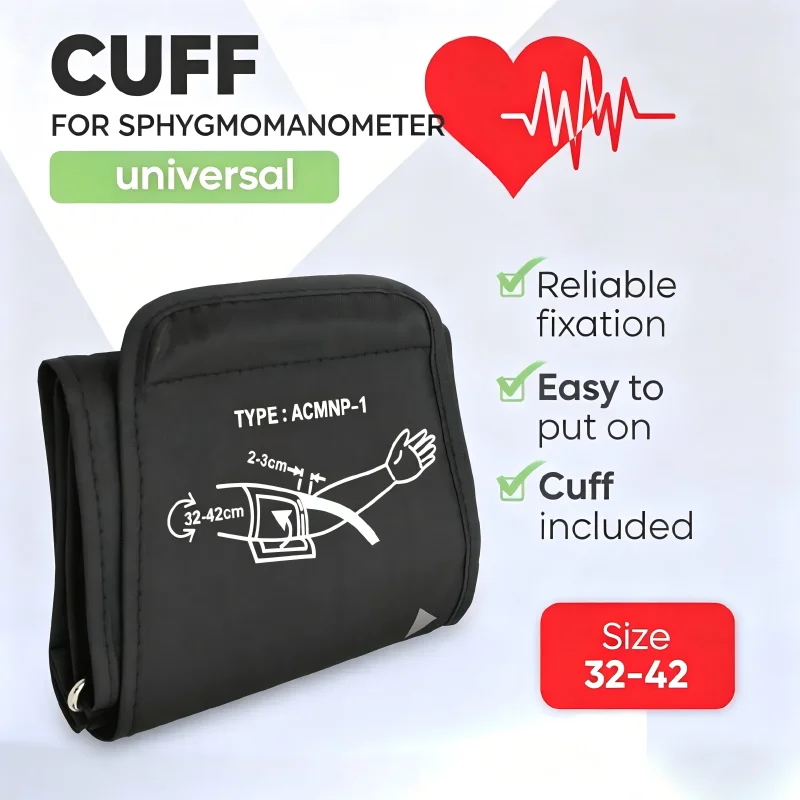
Users should consider the recommended cuff size for optimal results. Cuffs too tight or loose can result in incorrect values. Proper user training is equally vital, as familiarizing oneself with the device’s operation can significantly impact result consistency.
Lastly, it’s prudent to compare measurements with those from traditional devices intermittently to cross-verify information. Tracking trends in readings over time can also provide useful insights into cardiovascular health and device performance.
Comparison with Traditional Measurement Techniques
The accuracy of innovative devices must be weighed against conventional techniques such as auscultatory and oscillometric methods. The former uses a stethoscope to detect sounds while a cuff is inflated and slowly deflated, which requires skill and experience. The latter employs sensors to register changes in oscillations as pressure is released, making it user-friendly but still prone to minor variances depending on the device quality.
Clinical studies indicate that automated oscillometric systems tend to provide readings within ±5 mmHg of standard sphygmomanometer values. However, continuous wrist variants often show departures from these standards, especially under conditions like high levels of motion or improper positioning, which can alter readings by up to 10 mmHg.
Comparative analysis reveals that upper arm measurements yield more consistent and reliable results. The diameter of the artery influences readings, where wrist devices may struggle to accommodate the anatomical differences among individuals. For optimal results, it’s advisable to use a traditional arm cuff for verifying readings obtained from portable gadgets.
Enhanced accuracy is achievable by following manufacturer guidelines, ensuring proper alignment of the device, and taking multiple readings. Consistency is vital in establishing a clear trend over time. It is recommended that individuals use high-quality units and validate their performance against more established tools periodically, particularly when tracking significant health changes.
Factors Affecting Accuracy of Wrist Blood Pressure Readings
Positioning of the device plays a critical role in the precision of measurements. Ensure the gadget is level with the heart while taking readings.
Technique is equally significant. Users should adopt a relaxed posture and refrain from movement during assessment. Caffeine or nicotine consumption prior to checking can skew results. Waiting for at least 30 minutes post-ingestion is advisable.
Device calibration cannot be overlooked. Regular checks against a recognized sphygmomanometer are necessary to confirm accuracy. Healthcare professionals should periodically verify device functionality.
Environmental Conditions
- Temperature: Extreme heat or cold can impact sensor performance.
- Noise: Background sounds may lead to distractions during measurement.
Individual Physiological Factors
- Body size: Measurements can be less precise for individuals with larger forearms.
- Heart rate variability: Fluctuations may affect electrical readings.
- Pre-existing health conditions: Specific medical issues can alter anticipated values.
Using the right cuff size is pivotal. A cuff that is too small or large results in misleading figures. Ensuring compatibility with arm circumference enhances the reliability of results.
Frequent usage aids in familiarity, thus improving overall consistency. Adopting a routine schedule for measurements can foster more stable data collection.
Proper Use of Wrist Devices for Optimal Results
Position the device just above the wrist bone and keep the arm at heart level during measurement.
Ensure the wrist is free from any tight clothing or accessories that may interfere with the reading.
Calibrate the device according to the manufacturer’s guidelines before taking your first measurements.
Take readings at the same time each day to maintain consistency.
Remain still and relaxed for at least five minutes before conducting measurements.
Record multiple readings within a short period and average them for a more reliable estimate.
Avoid caffeine, nicotine, and exercise for at least 30 minutes prior to taking measurements.
Make sure the device fits snugly but comfortably on the wrist for accurate data collection.
Consult with a healthcare professional regarding the ideal frequency of readings for personal health monitoring.
Recognizing Signs of Inaccurate Readings
Frequent discrepancies in measurements can indicate issues with device operation. Pay attention to recurring results that deviate significantly from prior readings or conventional methods. A difference greater than 10 mmHg may signal an unreliable apparatus.
Situational factors greatly influence outcomes. Measurements taken in a noisy environment or while engaging in physical activity can lead to erroneous results. Ensure quiet surroundings and rest for at least five minutes prior to testing.
Improper positioning of the unit can compromise precision. The device should be at heart level during the assessment. If the arm is positioned too high or low, readings may vary.
Calibration errors are another common source of inaccurate outcomes. Ensure that the device has been calibrated according to the manufacturer’s guidelines. Regular maintenance is necessary to avoid performance degradation.
An unexplained variance in readings may arise from external factors like temperature or humidity. Store and use the device in a controlled environment to minimize such influences.
Battery levels can also impact measurement reliability. Low power may lead to inconsistent readings, so check battery status regularly and replace as needed.
If any unusual behavior is observed, such as erratic display or failure to power on, consider consulting the user manual or contacting customer support for troubleshooting and potential replacement options.
Using these strategies can help in identifying issues and ensuring that the device provides reliable assessments.
Recommendations for Choosing a Reliable Monitor
Select devices from reputable brands known for quality and accuracy. Research customer reviews and expert opinions to gauge reliability.
Key Features to Look For
- Ensure the model offers automatic inflation for consistent readings.
- Choose a device with a large, easy-to-read display, facilitating quick interpretation.
- Look for adjustable cuffs to ensure a proper fit on different wrist sizes.
- Verify that the product has been validated for accuracy, preferably meeting ISO or AAMI standards.
Price vs. Performance
Balance cost with functionality. Higher price tags often reflect better technology and durability, yet several affordable options perform satisfactorily. Aim for models within the $50-$150 price range for dependable quality.
| Brand | Price Range | Features | Validation Status |
|---|---|---|---|
| Brand A | $60 – $90 | Automatic inflation, large display | ISO Approved |
| Brand B | $100 – $150 | Bluetooth connectivity, adjustable cuff | AAMI Validated |
| Brand C | $40 – $70 | Basic functions, easy to use | None |
Test different models in-store to ensure comfort and ease of use. Familiarize yourself with the instructions and maintenance requirements for optimal longevity.



