
 Ethan Cole

For accurate monitoring, select devices equipped with photoplethysmography (PPG) sensors that illuminate the skin and measure light absorption variations caused by pulse changes. This enables the calculation of heart rate and, indirectly, circulatory parameters related to arterial tension.
Focusing on features such as user-friendly interfaces, Bluetooth connectivity, and compatibility with mobile applications will enhance your experience. Many modern alternatives provide historical data analysis, offering insights into fluctuations over time and helping identify trends.
Regular calibration against traditional measurement methods ensures reliability. Users should engage in consistent testing under similar conditions to improve accuracy. Maintaining comfort during readings, by ensuring the device fits snugly without restricting circulation, can significantly enhance data validity.
How a Wrist Device Measures Arterial Force
A compact gadget on your wrist can measure the force exerted by the circulating fluid on the walls of your arteries. Utilizing oscillometric technology, this device detects subtle changes in pressure through a built-in cuff mechanism that wraps around the wrist. As the cuff inflates, it temporarily restricts blood flow, creating a pressure differential that the device can analyze.

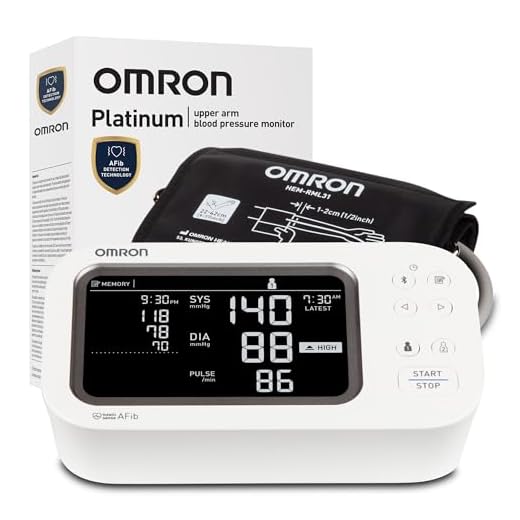
When the cuff gradually deflates, the device picks up vibrations in the arterial wall. These vibrations correspond to systolic and diastolic values, which are the top and bottom numbers typically reported in readings. Advanced algorithms further refine the data to ensure accuracy and reliability.
Calibration and Accuracy
Regular calibration is essential for maintaining precision. Users should compare readings with those from a traditional sphygmomanometer at set intervals, ideally under similar conditions, to verify outcomes. Consideration of factors such as body position, activity level, and stress impact the outcomes, so a consistent measurement environment enhances reliability.
Interpreting Results
Readings should be interpreted in conjunction with additional health metrics for a complete health assessment. Understanding when to consult a healthcare professional based on the recorded figures can provide better insight into your overall cardiovascular condition. “Normal” ranges can vary; targeting specific numbers for optimal health is recommended depending on individual risk factors and medical history.
Understanding the Technology Behind Blood Pressure Measurement
Advancements in wearable technology utilize oscillometric detection for reading vascular conditions. The device employs a cuff positioned around the wrist, which inflates momentarily, creating a pressure wave that travels through arteries. Sensors capture vibrations, translating them into specific numerical data representing systolic and diastolic values.
Key Components Involved
Microprocessors play a pivotal role in processing captured oscillations. Algorithms analyze waveforms to determine the peak amplitude, which correlates to arterial status. The accuracy of these readings relies heavily on calibration against traditional methods, ensuring high reliability in real-time monitoring.
User Guidelines for Accurate Readings
For precise results, maintaining a consistent position during measurement is critical. Keeping the arm at heart level and in a relaxed state minimizes errors. Avoiding movement or conversation while recording data further enhances measurement reliability.
Operation of Sensors in a Device for Monitoring Arterial Force
The accurate assessment of arterial force relies heavily on advanced sensors integrated within the device. These components utilize two primary methodologies: photoplethysmography (PPG) and oscillometric measurement. Understanding these technologies enhances users’ ability to monitor their cardiovascular status effectively.
Photoplethysmography (PPG)
This technique employs light transmission to detect the volumetric change in blood circulation. A light source, typically a light-emitting diode (LED), illuminates the skin, while a photodetector captures changes in light absorption caused by pulsing blood flow. The data captured is then analyzed to infer arterial force.
Oscillometric Measurement
This method measures fluctuations in arterial wall movement during each heartbeat cycle. Sensors detect variations in pressure within the arterial vessel, leading to calculations of systolic and diastolic readings. It provides real-time adaptations for accurate evaluations, even when the device is in motion.
| Technology | Methodology | Advantages |
|---|---|---|
| Photoplethysmography | Light absorption analysis | Non-invasive and continuous monitoring |
| Oscillometric | Pressure fluctuation detection | Precision in varying conditions |
For optimal performance, ensuring proper positioning and skin contact of the sensors is paramount. Regular calibration of the device also enhances measurement accuracy, allowing users to maintain significant awareness of their cardiovascular health.
The Role of Algorithms in Analyzing Blood Pressure Data
Algorithms play a pivotal role in interpreting data collected from various sensors designed to assess vascular function. They process raw data to derive meaningful metrics, facilitating accurate readings. These computational methods utilize mathematical models to handle noise and anomalies, ensuring viable outputs.
Data Processing Techniques
Advanced filtering techniques eliminate irrelevant signals caused by body movement or external factors. Adaptive algorithms can modify their parameters in response to changes in physical conditions, enhancing accuracy. Predictive modeling forecasts potential cardiovascular events based on historical data, allowing for timely interventions.
Integration with User Interfaces
Processed results are then seamlessly integrated into user-friendly displays. These interfaces present trends and insights, aiding individuals in monitoring their vascular health effectively. By visualizing the data, users become empowered to make informed lifestyle changes and seek medical advice when necessary.
Factors Affecting Accuracy of Readings
Several elements influence the precision of measurements taken by portable devices designed for assessing vascular tension. Understanding these factors is critical for reliable results.
Measurement Technique
- Positioning: The arm’s position significantly impacts values. Ensure that the device sits level with the heart for optimal results.
- Posture: Sitting or lying down rather than standing can lead to more consistent findings.
- Clothing: Avoid tight-fitting garments on the arm to prevent interference with measurements.
User-Related Variables
- Activity Level: Recent physical exertion can temporarily elevate readings. Relax for at least five minutes before testing.
- Stress: Emotional states can cause fluctuations. Maintaining a calm environment before measurement is advisable.
- Hydration: Dehydration may alter results. Ensure proper fluid intake prior to assessment.
Awareness of these influences can aid in achieving accurate readings and improving the reliability of health monitoring devices.
Interpreting Results from a Health Meter Wrist Watch
For accurate analysis of readings from your device, compare multiple measurements taken at consistent times during the day. Monitoring at the same time allows for meaningful trends to emerge. Establish a baseline over several days to identify normal fluctuations.
Understand that results may display systolic and diastolic values; systolic indicates pressure during heartbeats, while diastolic measures pressure between beats. Familiarize yourself with standard ranges: a reading below 120/80 mmHg is considered normal, while readings above may suggest potential health issues.
Consider the context of readings. Stress, recent physical activity, or even room temperature can influence outcomes. If you consistently observe elevated or unusually low results, consult a healthcare provider for further evaluation.
Reviewing patterns, rather than individual figures, offers a clearer picture of cardiovascular health. Document your findings over time, noting lifestyle changes that may impact these metrics. Regular analysis contributes to informed discussions with health professionals.
Use the accompanying mobile application for personalized insights and educational resources. Many applications provide commentary on values, helping to demystify what various numbers might mean for individual health. Utilize these tools effectively to enhance understanding.
Remain aware of potential inaccuracies. Factors such as improper fit, movement during measurement, or device calibration can skew results. Familiarize yourself with the manufacturer’s guidelines for optimal usage to ensure precision.
Ultimately, prioritize consistent monitoring combined with professional input for a comprehensive view of overall cardiovascular status. Stay proactive in managing your well-being through informed decisions based on reliable data from your device.
Best Practices for Using a Wrist Watch to Measure Blood Pressure
Ensure consistent results by measuring at the same time each day. Select a moment when the body is at rest, preferably after sitting quietly for a few minutes.
Maintain the correct positioning of the device. Place it snugly on the wrist, just above the bone, to guarantee accurate readings. Keep the arm level with the heart during measurement to avoid discrepancies.
Stay relaxed during the process. Stress or rapid movements can significantly affect the accuracy of the readings. Take deep breaths and remain still until the measurement is complete.
Follow the manufacturer’s instructions thoroughly. Each device may have specific guidelines regarding usage that should be adhered to for optimal performance.
Confirm battery levels regularly. A low battery can lead to unreliable readings. Replace or recharge the battery as needed to maintain accuracy.
Keep the device clean and free from interference. Ensure that sensors are wiped down to prevent obstructions and potential false readings.
Avoid consuming caffeine, alcohol, or nicotine shortly before checking the readings, as these substances can influence systolic and diastolic values, leading to misleading information.
Document your measurements over time. Recording results can help track patterns or abnormalities, assisting healthcare professionals in making informed decisions if needed.
If discrepancies arise between different readings, wait a few minutes and take another measurement. Log the average of several readings for a more accurate reflection.
Consult a healthcare provider if persistent irregularities are noted. Professional evaluations are necessary for interpreting long-term trends and addressing potential health issues.


