
 Ethan Cole
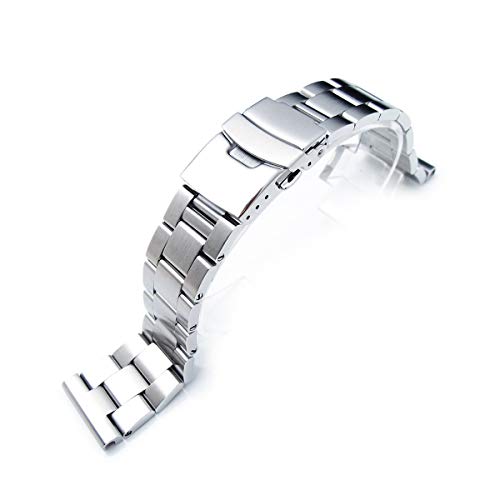
Choose the correct wrist for accessorizing: the left side is traditionally preferred, allowing easier access for adjustments and time-checking. Consider the size and weight of the timepiece; lighter models are more suitable for prolonged wear, while heavier ones can cause discomfort over time.
Think about the outfit pairing. A classic stainless steel band complements formal attire, while a leather strap can enhance casual looks. Ensure that the watch fits snugly–there should be a slight gap between the watch and wrist, allowing for flexibility without feeling loose.
Remember to match metals and colors. If wearing other jewelry, coordinate the tones to achieve a cohesive appearance. For an elegant style, avoid overlapping layers of wrist adornments. This creates a clean silhouette and highlights the chosen accessory effectively.
Choosing the Right Watch Size for Your Wrist
Select a timepiece with a case diameter between 26mm and 34mm for slender arms. This range ensures proportionality, complementing a delicate appearance without overwhelming the wrist.
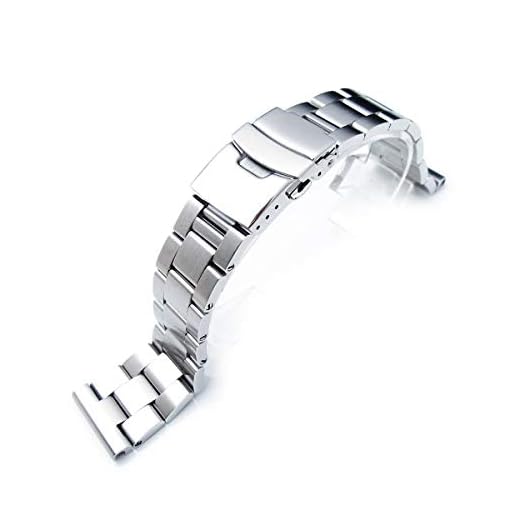

<p.For average-sized wrists, a case size of 34mm to 40mm fits best, providing an ideal balance of elegance and visibility. Consider the thickness as well–slimmer designs enhance comfort and style.
For more robust wrists, options between 38mm and 44mm suit larger frames, offering an assertive presence. Ensure that the watch sits comfortably and does not slide excessively along the arm.
Pay close attention to the lug-to-lug distance, as this measurement affects how the timepiece aligns with the wrist’s contour. A shorter distance typically provides a better fit.
Try various styles on before making a selection. The watch should feel secure yet comfortable, allowing for daily wear without restriction.
Lastly, both the strap type and material matter. A flexible band can aid in achieving a snug fit, while a rigid option might affect comfort. Consider your lifestyle and aesthetic preferences when choosing the perfect accessory.
Positioning Your Watch for Comfort and Style
For optimal comfort and a chic appearance, position your timepiece about an inch above your wrist bone. This placement ensures that the accessory sits securely without sliding down or pinching the skin.
Avoid wearing it too loose, as this can lead to constant adjustments. Conversely, an overly tight fit restricts circulation and can lead to discomfort. Aim for a snug fit that allows for slight movement without excessive slack.
Select the side for display based on your dominant hand; if you are right-handed, wearing it on the left is standard, and vice versa. However, personal preference or practicality may dictate otherwise.
Consider the type of activities planned. For formal occasions, a lower position may enhance style, while active events may require a higher placement to prevent interference.
Regularly evaluate the fit throughout the day, as wrist size can fluctuate with temperature and activity. Adjusting the timepiece as needed helps maintain both comfort and elegance.
Layering Your Watch with Other Accessories
Stack bracelets and rings alongside your timepiece for a chic look. Choose materials that complement the wrist adornment, such as leather bands paired with silver jewelry or gold pieces that resonate with metallic details of the timepiece.
Colors are significant; opt for shades that harmonize. For instance, a black leather strap can work beautifully with both silver-tone and gold-tone accessories. Layering should appear intentional rather than overwhelming, so limit vibrant hues to one or two standout pieces.
Mix textures to add dimension. Consider pairing a smooth metal bracelet with a braided leather cuff for visual contrast. Incorporate pieces of varying widths; a thin bracelet alongside a chunkier band can create an enticing balance.
Be mindful of layering heights. Position items at different levels on the arm to maintain an elegant silhouette. Avoid overcrowding by leaving some skin visible between layers–this enhances the overall aesthetic and keeps the look from feeling heavy.
Lastly, consider your outfit. A glammed-up evening dress may call for sparkling accessories, while a more casual look could benefit from understated creations. Align with the formality of your attire to ensure harmony in your overall style.
Choosing Watch Straps That Compliment Your Outfit
Select straps that coordinate with your clothing style and occasion. For formal events, opt for leather or metal bands that convey sophistication. Casual outfits pair well with fabric or silicone options for a relaxed vibe.
Color Coordination
Match the strap color with key elements of your attire:
- Neutral colors like black, brown, or silver work well with various outfits.
- Bold shades can enhance vibrant ensembles or serve as a statement piece.
- Patterns, such as floral or geometric designs, can add a playful touch when carefully chosen.
Material Selection
Different materials offer unique aesthetics:
- Leather: Timeless and versatile, ideal for both chic and professional settings.
- Metal: Exudes elegance and durability, perfect for evening attire.
- Fabric: Comfortable and breathable, suitable for casual outings.
- Silicone: Great for sporty looks or outdoor activities.
Consider the occasion and your personal style to create a harmonious look. Choose straps that not only fit your wrist comfortably but also enhance your overall appearance.
Adjusting the Fit for Optimal Wear
To achieve the perfect fit, adjust the strap or bracelet to ensure a snug yet comfortable fit on the forearm. A well-fitted timepiece should sit just above the wrist bone, allowing for slight movement without constricting circulation.
Steps to Adjust Strap Length
If your accessory features a traditional buckle, follow these steps:
- Remove the watch from your arm.
- Locate the hole in the strap nearest to the buckle that provides a secure fit.
- Fasten the strap, ensuring it is not too tight; you should be able to fit a finger comfortably beneath it.
Adjusting Metal Bracelets
For metal link designs, resizing might be necessary. Consider visiting a jeweler for professional adjustments. If attempting at home:
- Identify removable links by locating the tiny pins or screws.
- Use appropriate tools to remove the excess links until you achieve the desired fit.
Fit Testing
After adjusting, wear the accessory for a period. Move your arm and hand to ensure it remains in place and does not slide excessively. A properly fitting piece enhances both style and function.
| Criteria | Optimal Fit | Indicators of Poor Fit |
|---|---|---|
| Position | Above the wrist bone | Too high or low on the arm |
| Tightness | Snug but comfortable | Restrictive or falling off |
| Mobility | Allows arm movement | Interferes with daily activities |
Maintaining a Classy Look with Your Timepiece
Opt for metallic finishes like gold or silver for an elegant touch that complements evening attire or professional outfits. A minimalist design can elevate your appearance, ensuring the accessory remains sophisticated and not overpowering.
Consider the materials used in your accessory; leather or high-quality fabric straps can enhance sophistication. In contrast, rubber or plastic may convey a casual vibe, which suits more relaxed settings.
Dress your timepiece according to the occasion. For formal events, a classic analog model with a sleek profile is ideal, while a sporty chronograph can add flair to a casual gathering.
Maintain the condition of your accessory through regular cleaning and servicing. This practice preserves its aesthetics and functionality, ensuring you always present a polished look.
Avoid overly flashy designs; subtle details often convey elegance, allowing the piece to enhance an outfit rather than dominate it. Mixing textures can add intrigue to your ensemble while keeping the overall appearance refined.



