
 Ethan Cole

Using signals from atomic time standards ensures exceptional accuracy in your timepiece. This synchronization process involves receiving time signals broadcasted from national atomic clock facilities, allowing for precise timekeeping with minimal drift.
Frequency modulation plays a crucial role in this technology. A transmitter emits signals at a specific frequency, typically around 60 kHz in the U.S., which the timekeeping device utilizes to adjust its internal clock. This adjustments occur regularly to maintain time accurately.
Battery life proves significant in a radio-controlled device; many models can operate for several years without needing a replacement. Furthermore, these instruments often include features like automatic adjustment for daylight saving time, enhancing convenience for the wearer.
A high degree of resilience against environmental factors enhances functionality. Water resistance and shockproof construction are common attributes in contemporary designs, rendering them suitable for various lifestyles while preserving precision.

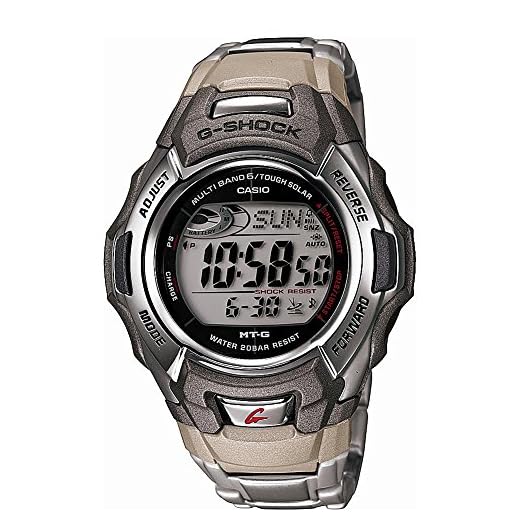
Understanding the Mechanism of Precision Timepieces
These advanced timekeeping devices synchronize with atomic signals emitted from specific national laboratories, ensuring remarkable accuracy. By receiving radio signals transmitted from atomic clocks, they adjust themselves several times throughout the day. The frequency of these signals stabilizes the measurement, resulting in an error margin of less than one second per several million years.
Core Components
The internal structure comprises a miniature radio receiver, a microprocessor, and a display unit. Each component plays a crucial role in maintaining precision:
| Component | Function |
|---|---|
| Receiver | Captures time signals from local atomic clock sources. |
| Microprocessor | Processes received signals and adjusts time accordingly. |
| Display | Visually represents the accurate time to the user. |
Operating Principle
The precise oscillations of atoms form the basis for time measurement. When the timepiece picks up a signal, it decodes the atomic frequency information. This data is translated into time adjustments, allowing the watch to maintain unparalleled accuracy. Additionally, many models are equipped with features like solar charging and synchronization alerts for optimal performance.
Understanding Atomic Timekeeping Technology
Precision in time measurement relies heavily on cesium or rubidium atoms, which serve as the foundation of this technology. A frequency standard is established by observing the vibrations of these atoms, which resonate at a specific frequency. For instance, cesium atoms oscillate at 9,192,631,770 cycles per second, a benchmark that defines the second.
Timekeeping devices utilize radio signals to synchronize with national atomic time standards. These signals are transmitted from atomic clock stations, allowing timepieces to adjust accurately. A small antenna integrated into the timepiece receives this data, facilitating real-time updates.
Calibration is critical. Regular transmission ensures that even minimal time discrepancies are corrected, maintaining accuracy over years. Some models feature additional sensors that compensate for environmental factors, such as temperature fluctuations that might affect performance.
Maintenance surveys indicate that timepieces leveraging this technology require minimal servicing, often just a battery replacement. This reliability appeals to professionals who depend on precise timing in fields like aviation or telecommunications.
To select a suitable model, consider battery life, signal range, and availability of updates. Look for options that provide additional features, such as world time functions or altimeters, enriching the user experience and expanding functionality.
Components of an Atomic Timepiece
The precision of a timepiece relies on several key elements, each contributing to its accuracy and reliability.
- Oscillator: This component serves as the heartbeat, typically utilizing a quartz crystal to maintain a stable frequency for keeping time.
- Time Signal Receiver: Located within the casing, this part captures radio frequency signals from atomic clocks situated around the globe, ensuring synchronization.
- Microcontroller: The brain of the mechanism, processing incoming signals and regulating the timekeeping functions based on the data received.
- Power Source: Usually powered by a long-lasting battery or solar cells, providing the necessary energy for operations without frequent replacements.
- Display: Can vary from analog dials to digital screens, presenting time in a user-friendly format.
Each element is engineered for durability and precision, promoting enhanced timekeeping capabilities.
Incorporating these sophisticated components allows for minimal deviation from the established time standard, ensuring consistent performance in various conditions.
How Signals from Atomic Clocks are Received
Receiving signals from precise time-keeping devices relies on an array of sophisticated technologies. The process commences with the transmission of microwave signals, typically occurring from dedicated facilities situated globally. These benchmarks utilize highly stable frequency sources derived from transitions in atoms, predominantly cesium or rubidium, facilitating accurate time messages.
Time signals are dispatched in a binary format, ensuring resilience against interference during transmission. Watches equipped with radio receivers are tuned to specific frequencies, allowing them to capture these signals. Standard frequencies include 60 kHz for long-wave transmission and 100 kHz for short-wave communication, depending on regional service providers.
Once captured, the watch’s internal electronics utilize a demodulator to decode the incoming signal. This process extracts the time data, enabling synchronization with the originating atomic source. Factors such as geographic location and atmospheric conditions can impact signal reception; therefore, many timepieces are designed to acquire signals during specific intervals for optimal accuracy.
After successful acquisition and decoding, the enhanced time information is utilized to calibrate the timekeeping mechanism within the device. This ensures that the displayed time remains consistent with the universal standard. Regular synchronization not only aids in correcting potential drift but also ensures reliability for everyday use.
For maximum efficiency, some models feature powered antennas or built-in boosters that enhance signal reception capabilities. This advancement can significantly reduce acquisition times, particularly in locations with weak signal strength or obstructions.
Battery Life and Power Consumption in Atomic Timepieces
The longevity of batteries in these timekeeping devices typically spans between 2 to 5 years, depending on usage and specific model characteristics. These devices utilize quartz crystal oscillators, allowing for low power consumption during typical operation. However, signal reception significantly affects energy demands.
When receiving time updates from satellite signals, energy use may peak briefly. The sophisticated internal circuits are designed to minimize this energy draw, returning to a low-power state quickly. Many models feature “sleep modes” to extend battery life further when not actively updating.
Choosing a watch with solar capabilities can reduce dependency on traditional batteries, as they convert light into energy, extending operational life. This feature is particularly effective in environments with ample light, significantly enhancing efficiency.
Regular maintenance, such as ensuring proper sealing and occasional battery replacements by professionals, can also prolong the operational lifespan of the device. Adhering to manufacturer guidelines guarantees optimal performance, reducing unnecessary battery drainage.
Calibration Process and Accuracy Maintenance
For optimal performance, periodic calibration is necessary to ensure precision in timekeeping. Most advanced timepieces sync with radio signals transmitted by national atomic clock facilities that operate on Universal Time Coordinated (UTC). These signals help adjust minor discrepancies that may arise over time due to environmental factors or battery conditions.
Calibration Methods
Manual calibration can also be performed. Users should refer to the manufacturer’s guidelines for the precise steps to adjust the time. The synchronization process typically involves pressing a designated button to initiate reception of the signal. Ensure the timepiece is exposed to open skies for the best signal reception.
Monitoring Accuracy
Regular monitoring of the timekeeping accuracy is recommended. Using a reliable time standard, compare the watch to a reliable clock to check for deviations. Most models typically maintain accuracy within a few seconds per month, but environmental factors such as temperature fluctuations or magnetic fields can introduce variances.
In challenging environments, additional protective measures might be required to maintain synchronization and overall functionality. For instance, away from large metal structures or electronic equipment, recalibration may be advantageous for consistent performance.
Advantages of Using Atomic Timepieces Over Standard Timepieces
Precision stands out as a primary benefit of timepieces that synchronize with atomic signals. These instruments maintain accuracy to within a fraction of a second, significantly surpassing conventional timekeeping methods. This unparalleled precision reduces the need for frequent manual adjustments, ensuring reliability in time measurement.
Enhanced Functionality
- Automatic synchronization with global atomic clocks allows these devices to adjust to time changes seamlessly.
- Many models incorporate additional features such as alarm functions, world time adjustments, and calendar displays, enhancing practicality.
Durability and Longevity
- Quality timepieces equipped with advanced technology typically have longer battery life due to efficient power management systems.
- Robust designs often withstand extreme conditions, making them suitable for outdoor activities and harsh environments.
Overall, these advantages offer significant benefits for individuals requiring dependable and precise timekeeping in everyday life or professional settings.


