Ethan Cole

To appreciate the intricacies behind a timekeeping device, it’s essential to focus on its heart–the movement. Typically quartz mechanisms dominate the market, utilizing a battery as the primary power source. These batteries send energy through a quartz crystal, which oscillates at a precise frequency, ensuring accurate time measurement.
Another critical component is the integrated circuit, which governs the flow of energy throughout the assembly, translating oscillations into legible time. This circuit operates by converting electric signals into motion, creating the ticking sound often associated with these devices.
The display, whether analog or digital, is the final aspect that translates all internal processes into human-readable form. In analog models, tiny gears and hands work in unison, while in digital counterparts, LCD or LED screens illuminate the time numerically. Understanding these elements–energy source, movement, and display–provides a comprehensive view of the technology that keeps time on your wrist.
Operation of a Quartz Timepiece
A quartz timepiece relies on the vibrations of a quartz crystal to maintain accurate timekeeping. When an electric current flows through the crystal, it vibrates at its natural frequency, typically 32,768 times per second. This frequency is stable and allows for precise time measurement.
The vibrations are converted into electrical signals that are counted by an integrated circuit. Every 1,024 vibrations trigger a counter increment, resulting in a pulse every second. This pulse drives the movement of the timekeeping hands or activates the display in a digital format.


The power source, usually a small battery, ensures continuous energy supply to the circuit. As the battery discharges, the timepiece will exhibit decreased accuracy, signaling maintenance or replacement needs.
Additions like alarms and timers depend on further programming within the integrated circuit, allowing the user to set specific functions while the core timekeeping remains autonomous and reliable.
Understanding these components and their interactions provides insight into how these devices manage to deliver consistent performance across various designs and styles.
The Role of Quartz in Timekeeping
Quartz crystals serve as the core component in the timekeeping mechanism of these portable timepieces. These crystals oscillate at a precise frequency when subjected to an electric field, generating a stable and consistent pulse. This oscillation rate is typically set at 32,768 Hz, a frequency that strikes a balance between accuracy and energy efficiency.
The pulse from the quartz crystal is processed by a microcontroller or circuit, which divides this frequency down to a manageable number of pulses per second, commonly one pulse per second. This division aligns with the standard time format and facilitates accurate tracking of seconds, minutes, and hours.
Temperature stability is pivotal for quartz’s accuracy, allowing it to maintain time through varying environmental conditions. Advanced models include temperature compensation features to fine-tune the timekeeping accuracy even further.
Quartz’s durability enhances the longevity of these timekeeping instruments, reducing wear and maintaining precision over extended periods. The incorporation of quartz technology significantly lowers manufacturing costs, making these timepieces widely accessible.
Collectively, these factors–precise oscillation, energy efficiency, temperature stabilization, and robustness–underscore the indispensable role of quartz in modern timekeeping devices.
Understanding the Circuitry of a Digital Timepiece
The functionality of a digital timepiece relies heavily on a meticulously designed circuit board that integrates various components to ensure precise timekeeping and operation. Each element plays a distinct role in the overall performance.
Main Components
- Microcontroller: Acts as the brain, managing time calculations and user interface interactions.
- Display: LED or LCD screens show the time and can also visualize additional data, such as alarms and timers.
- Battery: Supplies power, with many modern devices featuring lithium-ion or lithium-polymer batteries for longevity.
- Resistors and Capacitors: Control the flow of electricity, stabilizing the circuit and managing voltage levels to prevent damage to sensitive components.
- Quartz Crystal: Provides an accurate frequency for timekeeping, generating a specific number of oscillations each second.
Circuit Design
The layout of the circuit board minimizes the distance between components. This not only reduces signal loss but also enhances reliability. Designing the circuit with adequate trace widths and lengths ensures optimal current flow and thermal management.
Grounding is a critical aspect to prevent interference from external sources, enabling the device to maintain accuracy. A well-designed soldering technique promotes longevity and durability, ensuring that connections remain firm over time.
Testing the circuit before assembly is vital. Implementing software simulations can identify potential issues early in the design process, leading to modifications that improve overall functionality.
In conclusion, understanding these circuit fundamentals aids in appreciating how a digital timepiece operates efficiently, balancing appearance, power consumption, and reliability.
Battery Types and Their Impact on Performance
The longevity and reliability of any timekeeping device hinge on the type of battery utilized. Optimal performance is achievable with the right power source.
- Alkaline Batteries: Commonly found in entry-level models, these batteries offer affordability and decent battery life but may need frequent replacement.
- Lithium Batteries: Known for their superior longevity, lithium variants provide stable voltage and can last several years, making them suitable for higher-end models.
- Rechargeable Nickel-Metal Hydride (NiMH): While eco-friendly, these batteries may offer lower capacity compared to non-rechargeable counterparts and can require more maintenance.
- Silver-Oxide Batteries: Favored for precision timepieces, these batteries maintain consistent energy output throughout their lifespan, ensuring accurate timekeeping.
Battery choice significantly affects performance metrics:
- Longevity: Lithium and silver-oxide batteries outperform others, minimizing the need for replacement.
- Voltage Stability: Consistent voltage from silver-oxide types enhances time accuracy.
- Temperature Sensitivity: Lithium batteries exhibit better performance in extreme conditions, providing resilience in various environments.
Consider the application to determine the best power source. For everyday use, consumer-grade batteries suffice, while precision instruments benefit from premium options.
Advantages of LCD vs. LED Displays
Choosing between LCD and LED displays can significantly influence user experience in timekeeping devices. LCDs offer superior clarity in well-lit conditions due to their ability to provide high contrast and sharp visuals. This makes them ideal for reading time quickly in various environments.
Power Efficiency
LCD displays generally consume less power than their LED counterparts when displaying static images, which enhances battery longevity. This characteristic is critical for timepieces relying on minimal energy consumption for extended use.
Color Accuracy
LCD technology tends to provide better color accuracy, making it suitable for displaying vibrant graphics or detailed information, such as alarms and notifications. While LED displays can be brighter, they sometimes struggle with color representation at lower brightness levels.
In summary, for users prioritizing power savings and precise color rendition, LCD presents compelling advantages. Meanwhile, LEDs excel in brightness and dynamic display capabilities, appealing to those valuing visibility in varying lighting scenarios. Selecting the appropriate display technology ultimately hinges on user needs and preferences.
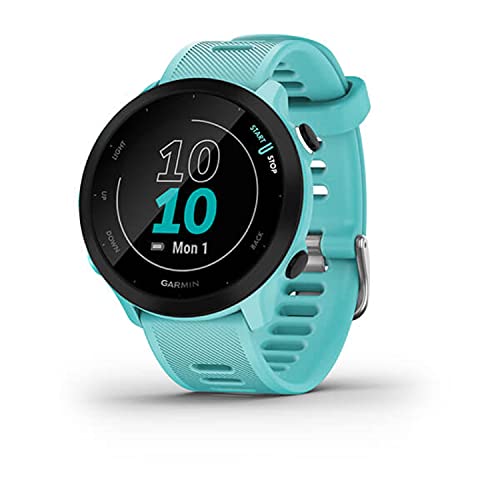
Features and Functions of Modern Smartwatches
Modern smart devices incorporate a multitude of capabilities that enhance daily life. Key functions include fitness tracking, which allows users to monitor physical activity, heart rate, and sleep patterns.
Fitness and Health Tracking
These gadgets often include integrated sensors for heart rate monitoring and pedometers to track movement. Advanced versions feature SpO2 sensors for blood oxygen levels and ECG functionality to assess heart health.
Communication and Connectivity
Smart timepieces enable seamless communication through notifications for calls, messages, and social media alerts. Connectivity options typically include Bluetooth for pairing with smartphones and Wi-Fi for internet access.
| Functionality | Details |
|---|---|
| Fitness Tracking | Monitors steps, heart rate, and sleep. |
| Notifications | Displays calls, messages, and app alerts. |
| GPS Navigation | Includes map services for navigation. |
| Music Control | Allows for music playback and control. |
| Mobile Payments | Facilitates contactless transactions. |
Battery life varies widely, influenced by features in use. Most devices provide sufficient power for daily use, with options for power-saving modes to extend lifespan during prolonged periods without charging.
Additionally, customization options through interchangeable bands and watch faces allow users to personalize their devices, catering to both function and style preferences.
Common Issues and Maintenance Tips for Electronic Timepieces
Regularly check the battery status. A weak or depleted cell can lead to inaccurate timekeeping or complete failure of functionality.
Clean the exterior frequently. Use a soft, lint-free cloth to wipe the surface, removing dirt and moisture that can affect performance. For intensive cleaning, a small amount of mild soap in water can be used, followed by thorough drying.
Be cautious around magnetic fields. Exposure to strong magnetic sources can disrupt the internal mechanisms, causing time discrepancies. Store devices away from speakers, refrigerators, and other magnetic items.
Avoid extreme temperatures. Excessive heat or cold can damage components. Maintain a stable environment for optimal performance, ideally between 15°C and 25°C (59°F and 77°F).
Inspect seals and gaskets for water resistance. Regular maintenance ensures longevity, especially if frequently exposed to moisture. Consider pressure testing after battery changes or if the device has been submerged.
Update software for smart devices regularly. Manufacturers often release updates to improve functionality and fix bugs. Ensure the device remains compatible with apps and services.
Store the device properly when not in use. Consider using a protective case to avoid scratches or physical damage. Ensure it is kept in a dry, cool place.
If experiencing persistent issues, consult a professional technician. Avoid attempting repairs unless skilled, as improper handling can lead to further damage.