Ethan Cole

Strap or clasp timepieces approximately 1-2 centimeters above the wrist bone for optimal comfort and functionality. This placement minimizes movement while ensuring easy access to the display.
Research indicates that the average individual prefers positioning straps snugly, yet not too tightly. This balance helps prevent undue pressure, which could hinder circulation. An ideal approach is to ensure that the timekeeper remains stable during daily activities, without excessive sliding.
Fashion preferences also influence this positioning. For formal occasions, a tighter fit can enhance a sleek appearance, whereas a looser fit may be suitable for casual outings, allowing for some wrist movement. Experimenting with different heights can lead to a personalized fit that caters to both style and comfort.
Optimal Placement on the Forearm
Positioning timepieces typically rests within the space between the wrist bone and the elbow. For general comfort and accessibility, aim for a spot approximately two to three finger widths above the wrist bone. This location allows for easy adjustment and visibility without restricting movement.

Factors Influencing Placement
Individual preferences and lifestyle factors can greatly impact the chosen location. Active individuals may prefer a lower placement to prevent interference with physical activities or gear. Alternatively, those in formal settings might opt for a more elevated position, enhancing sophistication and style.
Styles and Trends
Current trends show a shift towards unique placements, with some opting for a higher position that aligns with the forearm’s natural contour. This can create an avant-garde look, especially with larger styles that command attention. Ultimately, personal style dictates the best location, balancing comfort and aesthetics.
Understanding Wrist Placement Preferences Among Watch Wearers
Positioning timepieces on the forearm typically varies, but aiming for placement just above the wrist bone is advisable. This position allows for optimal visibility and comfort while minimizing the risk of obstruction during daily activities.
Research indicates that individuals favor different heights based on lifestyle and personal style. For active individuals, securing the accessory further up the arm may prevent interference with sports gear. Conversely, those who prioritize aesthetics often opt for a lower placement that complements sleeve lengths.
Surveys suggest that over 60% of enthusiasts prefer the timepiece resting on the wrist bone or slightly above, allowing for easy access to controls or features. Comfort is paramount; thus, ensuring a snug fit without pinching or excessive movement is vital.
Taking into account fashion trends, styles of accessories, and even cultural influences, the desired placement can differ significantly. In formal settings, a lower positioning may be more appropriate, while casual gatherings often allow for more experimentation.
Individuals experimenting with placement should consider factors such as specific wrist sizes and the overall weight of the chosen accessory. A balanced design enhances comfort and ensures the piece remains securely in place, regardless of activity.
Factors Influencing Watch Position on the Wrist
Placement of timepieces can vary based on multiple elements. Individual comfort plays a vital role; some prefer a position closer to the hand for easy access, while others choose a higher location to prevent interference with activities.
Physical Attributes
Wrist anatomy significantly affects placement choices. Those with smaller frames often position time indicators higher to avoid bulkiness, while larger builds might find a lower setting more proportional. Adjustments based on watch size–be it oversized or minimalist–also influence positioning.
Cultural Influences
Regional trends can dictate styles. In some cultures, wearing a timepiece prominently reflects status, leading to elevated placements, whereas other traditions may favor subtlety. Additionally, fashion movements sway preferences; certain eras witness shifts towards more visible adornments.
Functional aspects cannot be overlooked. Specific activities, such as sports, necessitate a certain location to ensure comfort and usability. Those engaged in rigorous tasks may opt for a tighter fit–positioned securely on the arm rather than a looser approach.
Lastly, personal style complements functional needs. Watch enthusiasts might select distinct locations based on the type of timepiece or outfit, merging practicality with aesthetic appeal. This blend of factors generates varied preferences in positioning, making it a unique choice for each individual.
Comparing Styles: Casual vs. Formal Wristwatch Positions
Positioning a timepiece varies significantly between casual and formal attire. Casual styles typically favor placement just above the wrist bone, allowing for ease of movement and comfort. This orientation complements everyday clothing, making it a practical choice for various settings.
Casual Styles
For a relaxed look, position the accessory around 1 to 2 inches above the wrist joint. This height facilitates a natural arm motion and harmonizes with less restrictive outfits, such as t-shirts and jeans. Additionally, materials like fabric or rubber bands work well with this positioning, contributing to a laid-back aesthetic.
Formal Styles
In formal circumstances, aim for a slightly higher placement, around 2 to 3 inches above the wrist bone. This positioning enhances the watch’s visibility without compromising the elegance of tailored suits or dress shirts. Metal or leather bands often complement this style, lending to a polished overall appearance.
Comfort and Mobility: Finding the Right Watch Height
Optimal placement typically resides 1-2 inches above the bony prominence of the ulna, just above the wrist joint for most individuals. This position integrates aesthetics with practicality, ensuring the timepiece remains accessible while allowing for free movement.
Key Factors in Watch Positioning
Several elements influence the best height for a timepiece. These include wrist size, personal comfort, and lifestyle preferences. Individuals with slimmer wrists might prefer a lower profile, while those with larger diameters may opt for a slightly higher positioning for balance and visibility.
Practical Mobility Insights
Assessing mobility is essential. When selecting a watch’s elevation, ensure that it does not impede activities such as typing, sports, or daily tasks. A higher placement can become cumbersome, while a lower stance might restrict visibility. Experimenting with slight adjustments can yield the best fit.
| Watch Height | Comfort Level | Mobility Impact |
|---|---|---|
| 1 inch above wrist | Comfortable | Minimal restriction |
| 1.5 inches above wrist | Moderately comfortable | Minor restriction |
| 2 inches above wrist | Less comfortable | Potential restriction |
Finding a sweet spot based on personal preference will enhance the overall experience with the timepiece while ensuring it remains stylish and functional.
Regional Variations in Watch Wearing Practices
In Europe, especially in countries like Italy and France, high placement is common, aligning with a penchant for style and fashion. In contrast, German wearers often prefer a lower position, favoring practicality and mechanical precision.
- Italy: Elevated on the arm, often matching with outfit colors.
- France: High up, accentuating luxury and design features.
- Germany: Positioned lower, reflecting a focus on functionality.
Asian practices frequently vary as well. In Japan, the watch is often worn close to the hand for ease of access, while in China, a more traditional approach might see it resting nearer the forearm.
- Japan: Practicality dictates wrist positioning, leaning toward accessibility.
- China: Cultural significance may influence placement; it can vary greatly.
In North America, there is a blend of styles; however, casual settings generally witness lower placements compared to formal occasions, where accessories reflect a more sophisticated approach. South America follows a similar pattern, valuing the elegance of higher placements, particularly in urban fashion contexts.
- North America: Mix of casual and formal; better visibility preferred in casual settings.
- South America: Higher positioning linked to urban fashion trends.
Ultimately, these regional differences highlight how cultural attitudes towards timepieces influence placement, shaping an individual’s expression and lifestyle choice.
Adjusting Your Watch for Optimal Fit and Style
To achieve an ideal adjustment for timepieces, aim for a snug but comfortable fit. The optimal positioning should allow for slight movement without sliding excessively down the arm. Follow these steps for precise sizing:
- Measure wrist circumference using a flexible tape or string, ensuring a relaxed hand position.
- Determine whether your wrist tends to swell in warm conditions and account for this in your sizing.
- When fitting the strap, it should be tight enough that the watch stays in place, yet allows for the comfortable movement of the hand.
- Inspect the placement: the bottom of the watch should rest just above the wrist bone to enhance visibility while maintaining ease of motion.
For enhancing style along with fit, consider the following:
Watch Type and Strap Material
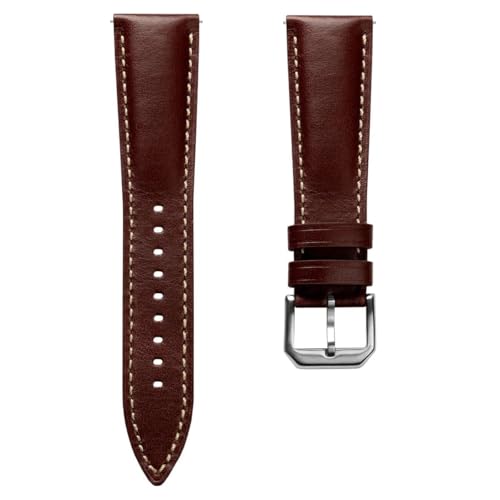
- Leather straps tend to stretch slightly over time, so an initial snug fit is preferable for longevity.
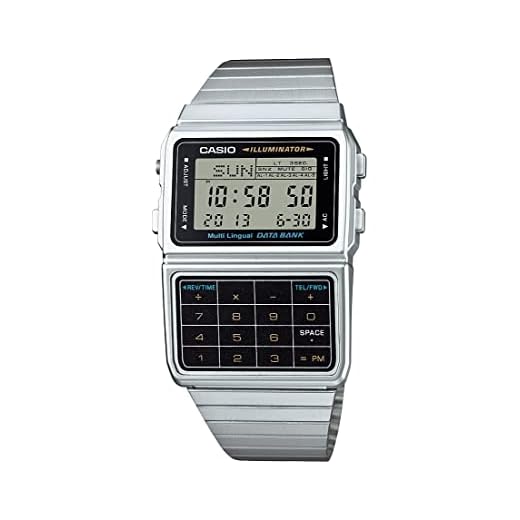
- Metal bracelets offer adjustable links, allowing for a personalized fit that accommodates wrist variations.
Occasion and Outfit Compatibility
- For formal events, positioning the timepiece slightly higher on the arm can create a polished look, enhancing sleeve visibility.
- Casual settings allow for a more relaxed placement, closer to the wrist joint for a laid-back appearance.
Assess the combination of these factors regularly for both comfort and style, adapting the fit as necessary to suit changing circumstances and preferences.