
 Ethan Cole

Consider integrating wrist devices into daily routines for a seamless blend of style and functionality. These instruments have transcended mere utility, shaping norms and behaviors across diverse demographics. In modern settings, they symbolize professionalism and punctuality.
Statistical insights reveal that 64% of individuals believe personal adornments reflect character traits and aspirations. It’s a clear indicator that these fashionable artifacts contribute to social interactions and perceptions. Beyond telling time, they provoke discussions and establish connections among peers.
Further analysis shows that wrist instruments have played an essential role during significant historical events. For instance, military personnel relied on these devices to coordinate efforts, demonstrating precision in high-stakes situations. Their presence in various industries continues to signal reliability and commitment.

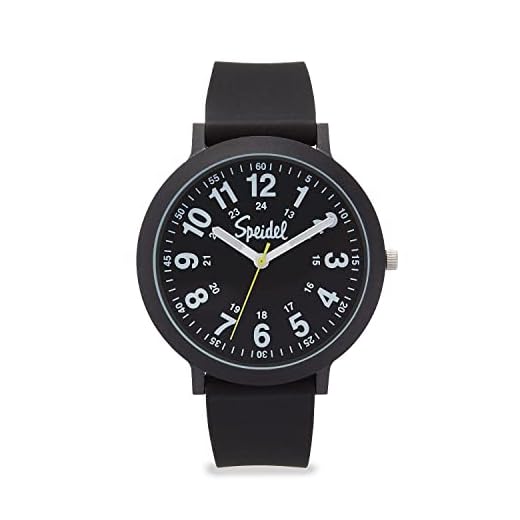
As technology evolves, timepieces are becoming more intricate. Modern features often include fitness tracking and smartphone connectivity, appealing to health-conscious and tech-savvy segments. This evolution prompts users to reconsider how they perceive and utilize these tools in everyday life.
The Role of Wrist Watches in Personal Branding
Integrate a distinguished timepiece into daily attire to amplify personal branding. A carefully selected accessory communicates style, status, and individuality, allowing wearers to express their identity non-verbally. Choose designs that resonate with your values and professional image.
Key Factors for Selection
Consider materials, functionality, and design. Luxury metals and high-end craftsmanship signal success, while unique designs or artisanal pieces can showcase creativity. A minimalist watch often aligns with a modern aesthetic, while vintage options evoke nostalgia and classic taste.
| Style | Message Conveyed |
|---|---|
| Luxury (e.g., Rolex, Patek Philippe) |
Success, wealth |
| Smart (e.g., Apple Watch) |
Tech-savvy, innovation |
| Casual (e.g., Swatch) |
Laid-back, approachable |
| Formal (e.g., Movado) |
Professionalism, elegance |
Importance of Care and Maintenance
Regular maintenance and proper care enhance longevity and appeal. A well-maintained timepiece reflects attentiveness, supporting a polished image. Keep your accessory clean and functioning to maintain its significance in your personal branding.
Wrist Watches as a Status Symbol: Cultural Implications
Opt for timepieces recognized for their craftsmanship and exclusivity. High-end brands like Rolex, Patek Philippe, and Audemars Piguet convey messages of wealth and prestige, often reflecting the owner’s social standing.
Cultural Significance
In various cultures, luxury timepieces symbolize success. For instance, in affluent settings, owning a valuable chronometer can enhance an individual’s status during professional engagements and social events.
- Business environments often place value on visible luxury. A costly piece can facilitate networking and solidify professional relationships.
- Gifting exquisite timepieces is a common practice in cultures where it signifies deep respect and appreciation, further intertwining luxury items with social ties.
Current Trends
Modern consumers increasingly associate smartwatches with distinct fashion trends, yet traditional timepieces remain revered as symbols of timeless elegance. This coexistence showcases the relationship between technology and classic style, stressing how societal values adapt while maintaining a connection to heritage.
- The rise of influencer culture has propelled luxury watches into the spotlight, with social media serving as a platform for showcasing collections.
- Vintage pieces have gained traction, denoting a sense of nostalgia while simultaneously enhancing perceived value, appealing to collectors.
Make an informed decision when investing in a timepiece. Beyond mere functionality, the choice reflects personal identity and societal perceptions.
The Influence of Timepieces on Time Management Habits
Adopting timepieces promotes a structured approach to managing daily activities. Observing time at a glance encourages punctuality, reducing procrastination and increasing accountability in personal and professional settings.
Setting Reminders and Goals
Wearing a timekeeper enhances goal-setting capabilities. Regular checks on time help individuals allocate specific periods for tasks, allowing for measurable progress. This practice aids in achieving daily, weekly, or monthly objectives through designated time slots.
Encouraging Mindfulness
Using a timepiece fosters mindfulness about how time is spent. Individuals become more aware of their routines, leading to a reassessment of priorities. This conscious awareness helps eliminate time-wasting activities, contributing to enhanced productivity.
Moreover, embracing time management techniques, such as the Pomodoro Technique, is made simpler with a visible time indicator. By splitting work into focused intervals, individuals can balance productivity with necessary breaks, optimizing overall performance.
In essence, incorporating a timekeeper into daily life influences habits positively, supporting an organized approach to time management and enhancing overall effectiveness in various endeavors.
Technological Advancements in Timepieces and Their Societal Effects
Smart functionalities in timepieces offer substantial benefits for daily living. Wearables today incorporate health monitoring, GPS navigation, and seamless connectivity with smartphones, streamlining personal management and communication. This connectivity enhances awareness of personal health metrics, fostering proactive behavior toward wellness. For instance, statistics show that users actively engage in fitness activities due to tracking features, promoting healthier lifestyles.
Solar and kinetic technology in modern devices reflects an increased concern for sustainability. Enhanced battery life reduces electronic waste, aligning consumer choices with environmental values. This shift influences purchasing decisions, encouraging brands to innovate ecologically friendly products.
Impact on Professional Environments
Integration of advanced timepieces in professional settings alters workplace dynamics. Remote work technology synchronizes schedules seamlessly, promoting productivity. Time-tracking functions assist in managing workloads effectively, ultimately shaping work-life balance. Detailed analytics derived from usage patterns guide companies in optimizing project management and employee efficiency.
Sociocultural Shifts Induced by Wearable Technology
Adoption of fashion-forward designs combined with high-tech capabilities influences cultural perception. The merging of style and substance encourages users to express individuality through their choice of device. Furthermore, increased accessibility to advanced features democratizes technology, inspiring varied demographics to participate in digital culture. This democratization fosters a shared societal identity driven by innovation and lifestyle choices.
Environmental impact of watch manufacturing and consumption
Prioritize sustainable brands that emphasize eco-friendly practices in production processes. Choices in materials play a significant role; opt for timepieces crafted from recycled metals, biodegradable plastics, or sustainably sourced wood. This approach minimizes the carbon footprint and reduces waste associated with traditional manufacturing techniques.
Encourage the adoption of quartz or solar-powered mechanisms. These alternatives consume less energy, leading to lower environmental degradation. Additionally, promoting repair and maintenance rather than replacement can extend the lifespan of these accessories. This shift not only conserves resources but also lessens the pressure on landfills.
Recognize the effects of mass production. Fast fashion brands contribute significantly to environmental challenges through excessive resource extraction and pollution. Support local artisans and small-scale manufacturers who prioritize craftsmanship and sustainability over rapid production cycles.
Awareness of packaging can further enhance eco-conscious choices. Brands utilizing minimal, recyclable packaging reduce waste, while those that offer refillable or reusable solutions encourage responsible consumption patterns. Seek out initiatives focused on taking back old timepieces for recycling, facilitating a closed-loop system.
Lastly, consider lifestyle choices that promote conscious ownership. Initiate discussions around the importance of valuing quality over quantity. Opting for timeless designs can reduce the urge to frequently purchase new models, thus minimizing environmental strain. By embracing these strategies, individuals can collectively foster a more sustainable approach to timekeeping.



