
 Ethan Cole

To create a snug fit, measure the circumference of your wrist using a soft measuring tape. Ensure the tape fits comfortably without being too tight; this will guide you in selecting the appropriate adjustments necessary for your accessory. If you lack a measuring tape, use a piece of string, marking the point where it overlaps, and then measure this length with a ruler.
Before making any changes, examine the clasp mechanism on your timepiece. Different styles may vary significantly; pin buckles usually require simple pin removals, while butterfly clasps often involve more complex procedures to release and adjust. Understanding the type you have will streamline the modification process.

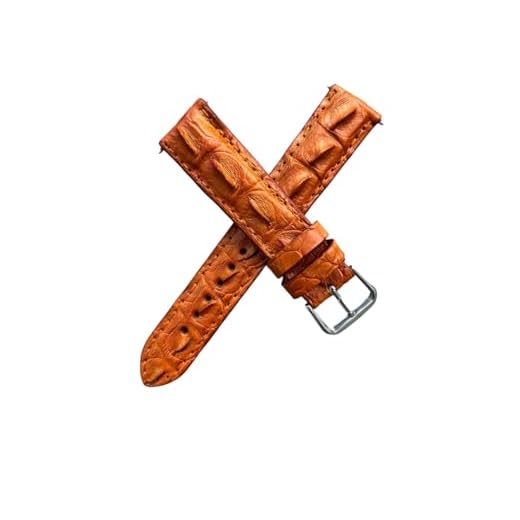
For straps made of leather or fabric, additional care is necessary. Consider using a small hole punch to create new sizing holes if the fit is too loose. Conversely, if the band is overly tight, expanding the length might involve replacing the strap or using an extender link, which can easily be found in most accessory shops.
Regular maintenance can prolong the life of your strap. Clean leather bands with a specialized conditioner to prevent cracking, while fabric can be gently hand-washed when dirty. Proper upkeep ensures a lasting, comfortable fit and keeps your accessory looking pristine.
Adjusting Your Timepiece Strap
Begin by identifying whether your band is made of metal, leather, or synthetic material, as the method will differ accordingly. For metal links, you will typically need a small tool known as a link remover or a pin pusher.
Metal Link Method
- Locate the small pins on the link you wish to remove.
- Insert the pin pusher into the hole at one end of the pin and gently push it out.
- Take out the desired number of links to achieve your preferred size.
- Reconnect the remaining links by pushing the pins back into their holes securely.
Leather or Synthetic Strap Method
- Examine the buckle mechanism for holes or notches.
- Remove the strap from the clasp to change the length.
- Reinsert the end of the strap into the desired hole for a tighter fit.
- Secure the strap back into the clasp.
Finish by ensuring the timepiece sits comfortably on your wrist without being too loose or too tight. This ensures functionality without discomfort during wear.
Understanding Different Watch Strap Types
Metal bands often feature links that can be removed or added to adjust length. Use a pin or a specialized tool to push out the connecting pins, allowing for size modifications. Ensure a secure fit once reassembled.
Leather straps typically have holes punched along one side for fitting segments. To change the length, select the appropriate hole that achieves comfort and wearability. Be mindful of the belt’s break-in period; it may feel tighter initially.
NATO straps, made from durable nylon, offer quick adjustments thanks to their sliding buckle mechanism. Simply pull the strap to the desired length and adjust the buckle for a snug fit.
Rubber straps often include measuring increments or ridges to customize lengths. Choose the best notch that contributes to comfort during use and prevents excessive movement.
Understanding these differences is essential for effectively wearing your timepiece and ensuring optimal comfort throughout the day.
Tools Needed for Watch Strap Adjustment
Gather the following items before proceeding with any modifications to the band:
A spring bar tool is essential for removing and replacing the pins that secure the band. This tool usually features a forked end, allowing for easy engagement with spring bars.
Micro-screwdrivers will be required if your band includes screws to adjust links. A set of various sizes ensures compatibility with different types of fastenings.
A pair of pliers is useful for handling smaller components and making subtle adjustments without losing grip.
A soft cloth or mat provides a protective surface to work on, minimizing the risk of scratching or damaging the device.
Measuring tools, like a ruler or tape measure, can help ensure accurate sizing and precision with modifications. This is especially helpful for customizing fit to your preferences.
If your strap is made from leather or another delicate material, a leather punch with varying hole sizes may be necessary to create additional attachment points without damaging the strap.
Finally, a magnifying glass can assist in inspecting small parts and ensuring that every element is correctly positioned before assembly.
Step-by-Step Guide to Shorten a Metal Watch Band
Begin by identifying the links that need removal to achieve the desired length. Lay the band flat on a clean surface for easy access.
Next, use a small tool like a pin pusher or a spring bar tool to drive out the pins holding the links together. Insert the pin pusher into the small hole at the end of the link and push it gently until the pin is free.
Once the pin is removed, carefully detach the unwanted link from the band. Repeat this process for each link you wish to eliminate. Ensure even removal on both sides to maintain balance.
After reducing the number of links, realign the remaining pieces. Insert the pin back through the link holes to reconnect the band. Make sure it fits snugly; use the pin pusher again if needed to secure the pin.
Finally, check the fit by putting the band on your wrist. Make additional adjustments if necessary by repeating the steps above until comfort is achieved.
| Step | Action |
|---|---|
| 1 | Identify and mark links for removal. |
| 2 | Lay the band flat on a surface. |
| 3 | Use a pin pusher to remove pins from links. |
| 4 | Detach unwanted links from the band. |
| 5 | Reconnect remaining links with pins. |
| 6 | Test the fit and make further adjustments if necessary. |
Techniques for Lengthening a Leather Watch Strap
To extend a leather band, consider these methods:
- Adding Additional Holes: Use a leather punch to create extra holes. Measure carefully to maintain equal spacing and ensure comfort.
- Using a Strap Extender: Purchase a leather strap extender, which can be securely attached to the existing band, easily providing additional length.
- Inserting a Leather Insert: Cut a piece of matching leather to create an insert. Secure it with strong adhesive or stitching for a seamless look.
- Utilizing a Ruler: Measure the desired length accurately before making adjustments to avoid mistakes.
- Seek Professional Help: If unsure, consult a professional watch repair service for expert assistance in lengthening the strap.
Ensure that any modifications blend well with existing materials for a coherent appearance. Regular inspections are recommended to maintain the strap’s integrity over time.
When to Seek Professional Help for Watch Adjustment
Consider consulting an expert if you’re uncomfortable with tools or mechanical components, as improper handling can damage the timepiece. If the band material is unfamiliar, like titanium or intricate leather, professional assistance ensures proper care without wear or tear.
Additionally, if you encounter resistance during the resizing process or notice any unusual sounds, stop and contact a specialist. Misalignment between links in metal bands can lead to permanent damage or inability to secure the clasp properly.
Complex Mechanisms or Features
For models that include complicated features–such as integrated straps or specialty closures–it’s advisable to enlist professional help. Certain designs may require specific tools or techniques that ensure the integrity of the entire mechanism.
When Replacement Is Necessary
If you find the need for a new or alternate strap, a jeweler can guide you in selecting compatible options that match the watch’s style. They will also professionally fit the new band, reducing the risk of potential issues down the line.
Maintaining Your Watch Strap After Adjustment
Regular cleaning is crucial for longevity. Utilize a soft cloth to wipe down materials, especially leather and fabric. For metal links, consider a mild soap solution with water.
Check periodically for wear, particularly on leather or synthetic bands. Fraying edges or cracks may indicate the need for replacement. Pay attention to closure mechanisms and ensure they are secure to prevent loss.
Store timepieces in a dry environment, avoiding exposure to extreme temperatures and humidity, which can damage components. Use storage boxes or pouches to minimize scratches.
For leather varieties, apply a conditioner every few months to maintain suppleness and prevent cracking. Avoid prolonged moisture exposure, as this can lead to deterioration.
Metal links may require periodic tightening. Inspect for loose links or fasteners along the band. This will ensure a snug fit without risking damage to the strap.
Adjustments should be revisited based on changes in body size or clothing habits. A well-fitted accessory enhances both comfort and appearance.


