
 Ethan Cole

Regularly clean the exterior of your timekeeper using a soft, lint-free cloth to remove dirt and fingerprints. For metal bands, a gentle mix of mild soap and water can help restore shine without scratching the surface.
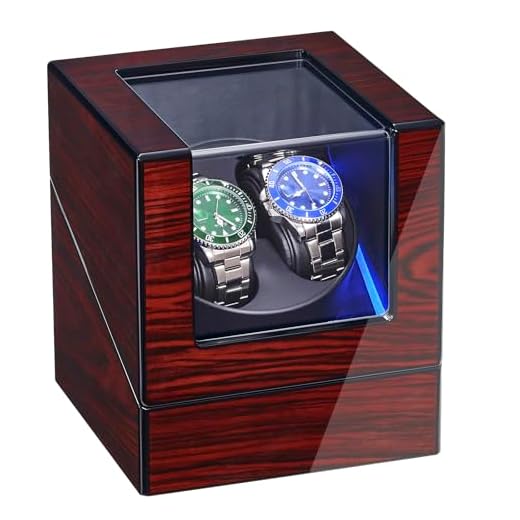
Protecting the movement is key; ensure to keep it away from extreme temperatures and magnetic fields. Additionally, if your mechanism is mechanical, consider winding it consistently or using a watch winder to preserve its functionality.
Water resistance is often overestimated; check the manufacturer’s guidelines regarding regular service intervals to maintain seal integrity. A professional inspection every few years is advisable to avoid moisture damage and ensure all components are functioning optimally.
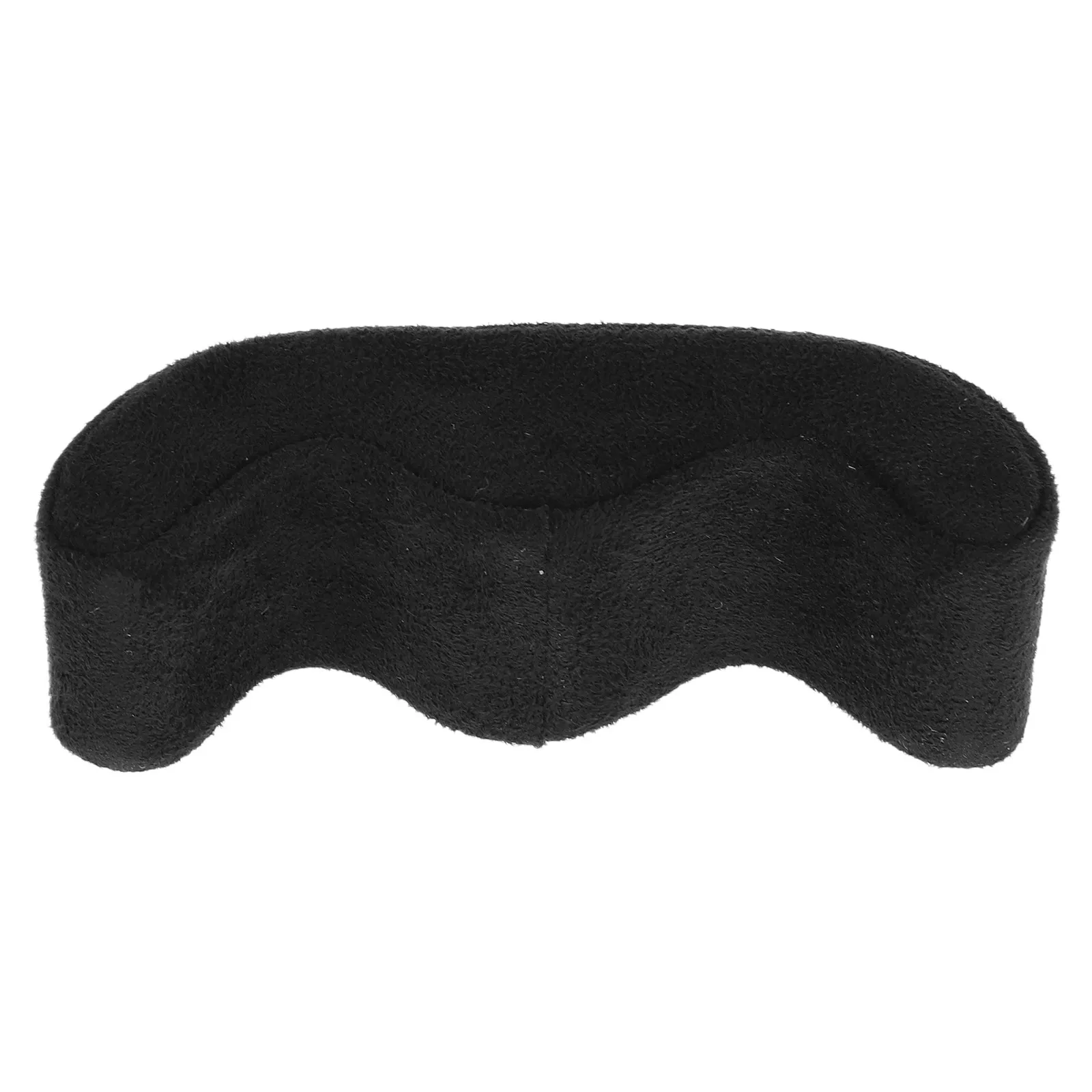
For leather bands, avoid exposure to water and moisture. Conditioning the leather with appropriate products can extend its lifespan and maintain its appearance. If the strap shows signs of wear, consider replacing it to enhance the overall look.
Lastly, store your treasure in a dedicated case to prevent scratches and impacts when not in use. This practice will keep your timepiece in pristine condition for years to come.
Cleaning Your Timepiece Safely
Utilize a soft, lint-free cloth for regular dusting and fingerprint removal. This prevents scratches and keeps the surface pristine.
If deeper cleaning is required, proceed as follows:
- Before starting, ensure the crown is fully pushed in or screwed down to avoid water damage.
- Prepare a solution of mild soap and warm water in a bowl, steering clear of harsh chemicals.
For metal bands:
- Soak a microfiber cloth in the soapy solution.
- Gently wipe the band, paying attention to any crevices.
- Use a soft brush, like an old toothbrush, for stubborn dirt.
For leather straps:
- Avoid soaking; instead, lightly dampen a cloth with the soapy water.
- Wipe the leather carefully and dry promptly with a separate dry cloth.
For crystal surfaces:
- Use the microfiber cloth without the soapy solution to prevent streaking.
- For tough smudges, a glass cleaner can be used, ensuring it doesn’t come in contact with the case.
After cleaning, allow your device to air dry completely before wearing it again. Regular maintenance will enhance longevity and appearance.
Maintaining the watch’s water resistance
Ensure the gaskets are in good condition by having them inspected regularly. Use a professional service to replace worn or damaged seals. The frequency of checks should increase if the item is exposed to extreme temperatures or water conditions.
Regular Testing
Consider getting the water resistance tested annually, particularly if the timepiece is frequently subjected to moisture. This assessment helps identify any potential issues before they compromise the internal mechanisms.
After Water Exposure
If the item comes into contact with saltwater or chlorine, rinse it with fresh water immediately. Salt and chemicals can damage seals over time, leading to leaks and moisture ingress.
| Water Resistance Level | Recommended Actions |
|---|---|
| 3 ATM / 30 M | Avoid water exposure, suitable for light splashes. |
| 5 ATM / 50 M | Can handle splashes and brief immersion, but not suitable for swimming. |
| 10 ATM / 100 M | Suitable for swimming and snorkeling; avoid diving. |
| 20 ATM / 200 M | Designed for professional diving; can withstand deeper water activities. |
Store the item in a dry place, and avoid exposing it to high humidity. Use a silica gel packet in the storage area to absorb moisture and enhance longevity.
Storing Your Timepiece Properly When Not in Use
Always place your timekeeper in a designated box or pouch to shield it from dust and scratches. Ensure that the storage area is dry and cool, as excessive moisture or heat can cause damage.
Using a Watch Winder
If your timepiece has a mechanical movement, consider investing in a watch winder. This device keeps the watch properly wound, preventing lubricant from settling and ensuring precision in timekeeping.
Avoiding Magnetic Fields
Keep your timepiece away from electronic devices, such as speakers or smartphones, as they can emit magnetic fields that may disrupt its movement. Store in an area free from such interference to maintain optimal function.
Regularly servicing and winding your mechanical timepiece
Schedule a professional service approximately every 3 to 5 years to ensure optimal functioning and prevent potential issues caused by wear. During this inspection, a skilled technician will clean, lubricate, and replace any worn components, maintaining precision and extending longevity.
For mechanical models, manual winding is fundamental. Wind the crown daily if the timepiece is not worn regularly, completing 30 to 40 turns to ensure accurate timekeeping. If the model features an automatic mechanism, wearing it ensures enough kinetic energy is generated for proper operation.
Observe the power reserve indicator if available. Keep track of the remaining energy to avoid unexpected stops. If your timepiece halts, wind it again fully to restart movement.
Monitor performance. Any noticeable deviations in timekeeping or unusual sounds suggest the need for immediate expert evaluation. Early detection can prevent further complications and costly repairs.
Avoiding Common Environmental Hazards
Direct exposure to extreme temperatures can damage internal components. Avoid leaving a timepiece in places like cars during hot summers or freezing winters. Keep it in a stable environment where temperature doesn’t fluctuate significantly.
Shield from Moisture
Even watches with water resistance can be compromised by prolonged exposure to moisture. Wipe off any sweat or rainwater immediately and avoid wearing it while swimming in chlorinated or saltwater environments. Ensure that the seals are intact regularly, especially before engaging in activities near water.
Limit Contact with Chemicals
Avoid contact with substances like perfumes, cosmetics, and cleaning agents that can degrade the materials. Store in a safe place away from household cleaners and other chemicals. Regularly inspect for signs of discoloration or damage to surfaces.


