
 Ethan Cole

Select a case diameter between 28mm to 34mm for a balanced look on slender arms. Avoid oversized designs that can overwhelm the delicate proportions. Consider lightweight materials such as titanium or aluminum to enhance comfort throughout the day.
Opt for slimmer profiles, ideally under 10mm in thickness, to create a more proportional appearance. Look for designs with adjustable straps that allow for a tailored fit, ensuring the piece remains secure without being too tight.
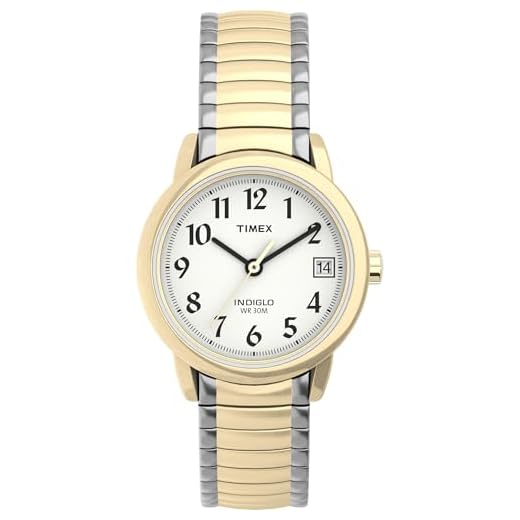

Focus on minimalist styles that feature clean lines and simple dials. Intricate embellishments may appear cluttered on a petite frame. Colors and textures should be chosen thoughtfully; neutral tones often work best, providing versatility.
Prioritize quality movement by selecting reputable brands known for their craftsmanship. A reliable mechanism ensures longevity, allowing the timepiece to be a lasting accessory rather than a fleeting fad.
Selection Guide for Petite Arms
Opt for cases between 28mm to 36mm in diameter. This range complements smaller proportions, ensuring a balanced appearance on the arm. Avoid oversized styles; they can overwhelm delicate features.
Strap Quality and Type
Material selection matters. Consider a lightweight metal or a slim leather band for comfort and style. Avoid heavy pieces that may cause discomfort or hinder mobility. Adjustability is key; look for options with several holes or a clasp that allows for a snug fit.
Color and Design Elements
Choose minimalist designs with clean lines and subtle colors such as silver, gold, or rose gold. Avoid overly intricate patterns that can appear busy on a smaller scale. Simple dials with clear numerals or markers enhance readability without overwhelming the visual space.
Understanding Watch Sizes and Dimensions
Focus on case diameter and thickness. For a delicate arm, opt for cases between 28mm and 36mm in diameter. Thinner profiles, ideally below 10mm, enhance comfort and aesthetics on petite frames.
Strap Width and Material
Strap width should complement the case size. A ratio around 1:2 is visually appealing; for a 34mm case, use a strap around 16-18mm wide. Materials like leather or mesh provide flexibility and comfort, avoiding heavy or bulky options.
Watch Weight and Balance
Consider lightweight materials such as titanium or certain plastics to minimize strain. Balance is key; a watch that feels heavy or too top-heavy may not sit well on a slender arm.
Choosing the Right Case Diameter
Opt for a case diameter between 28mm and 36mm. This size range complements the proportions of a petite forearm, providing a balanced and aesthetic appearance.
Understanding Comfort and Fit
- A watch with a smaller diameter wraps comfortably around the wrist, reducing bulk and ensuring a secure fit.
- Consider the thickness of the case as well; a thinner profile can enhance the overall look and feel.
Design and Style Considerations
- Choose a round or oval shape for a classic, refined look; these shapes tend to appear more elegant on narrower arms.
- Square or rectangular options can also be appealing; ensure they do not overwhelm the forearm’s width.
When assessing choices, take note of any embellishments or features that may add visual weight. A minimalist design often works best for a harmonious appearance.
Selecting Appropriate Strap Width
For individuals with a petite forearm, opting for a narrower band significantly enhances comfort and aesthetics. Aim for strap widths between 16mm and 18mm. This range complements smaller cases and provides better proportion.
Width Recommendations Based on Case Diameter
Strap width should align with the case size for visual harmony. The following table outlines recommended strap widths based on different case diameters:
| Case Diameter (mm) | Recommended Strap Width (mm) |
|---|---|
| 28-32 | 16-18 |
| 33-36 | 18-20 |
| 37-40 | 20-22 |
Maintaining this correlation minimizes bulky appearances, ensuring the accessory remains elegant without overwhelming the arm.
Material Impact on Strap Perception
Strap materials influence how width is perceived. Opting for softer materials, like leather or fabric, allows for a more delicate look, whereas metal bands can appear chunkier. Consider a lightweight design in appropriate widths to balance style and wearability.
Considering Watch Weights and Materials
Opt for lightweight materials such as titanium or resin. These options reduce fatigue while worn, enhancing comfort throughout the day. Stainless steel, while durable, may feel heavy; consider brushed finishes which lighten the overall aesthetic.
Pay attention to quartz movements. They often weigh less than automatic or mechanical alternatives, making them suitable for a more delicate profile.
Strap selection is key. Leather, especially thinner varieties, offers a classic feel without added weight, while nylon or silicone straps provide durability and breathability, further minimizing bulk.
When evaluating style, ceramic and carbon fiber are excellent for a modern look without excessive heft. These materials not only resist scratches but also maintain a chic appearance suitable for various occasions.
Ultimately, achieving balance between style and comfort hinges on selecting the right combination of materials and weights. Aim for a composition that aligns with personal preferences while ensuring an effortless fit on the wrist.
Evaluating the Impact of Watch Style
Opting for a timepiece that complements a petite arm involves considering the aesthetic and functional elements of its design. Styles significantly influence how the accessory is perceived, making it essential to select one that enhances proportionality and visual appeal.
Types of Styles
- Sophisticated: Minimalist designs often feature sleek and slender cases, perfect for those seeking understated elegance.
- Sporty: More rugged options can overwhelm a delicate appearance, but choosing streamlined models with lighter materials can soften the look.
- Classic: Vintage-inspired pieces with simple dials and refined proportions create a timeless effect suitable for any occasion.
Dial Size and Shape
The dimensions and form of the face influence overall balance. Smaller and round shapes tend to blend seamlessly with dainty features. Square or rectangular faces can be striking but may require careful consideration of size.
- Prefer dials between 26mm to 34mm for better harmony.
- Avoid excessive embellishments that may disrupt visual equilibrium.
In conclusion, strategic selection of style, shape, and design elements can enhance the overall look and feel of your timepiece, ensuring it complements and celebrates a more delicate anatomy.
Trying on Timepieces: Tips for a Good Fit
Prioritize comfort by ensuring that the band does not pinch or overly restrict circulation. Adjust the strap to allow for slight movement on the skin. A proper fit should create a balance between snugness and flexibility.
Assess the position on the arm; timepieces should sit slightly below the wrist bone. This placement enhances visibility and accessibility while maintaining a flattering appearance.
Pay attention to the case dimensions. Select options with a case size that complements the proportions of your arm. A smaller, more compact profile will enhance harmony with the overall aesthetic.
Experiment with various styling options; different placements and orientations can influence how the piece looks on the arm. Try on a variety of designs to identify what enhances personal preferences and proportions.
Check the weight distribution. Lightweight materials can improve comfort levels during prolonged use. If a piece feels cumbersome, it may not be suitable despite its aesthetic appeal.
Consider the clasp mechanism; ease of use is crucial. A secure, yet easy-to-manage clasp will contribute to a frictionless experience. Test designs that allow for convenient adjustment.
Adjust the positioning periodically while trying it on. Movement can shift how a piece fits and feels, providing insight into long-term comfort on the arm.
Lastly, trust your instincts. If a style feels off or uncomfortable during the fitting, it is wise to seek alternatives that better suit your physique and taste preferences.



