
 Ethan Cole

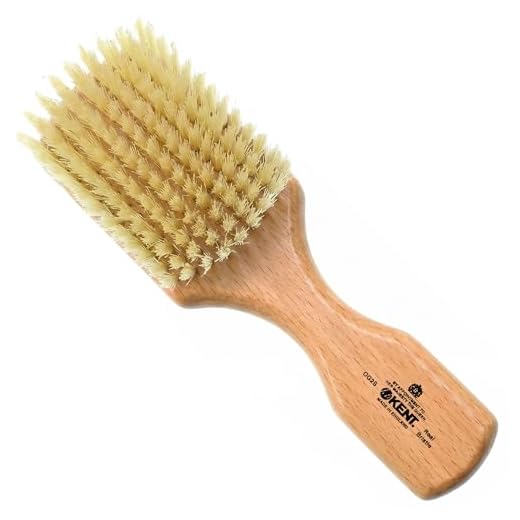
Begin with a fine, soft brush, designed to reach delicate spaces. A makeup brush or a small artist’s brush works wonders in dislodging unwanted buildup that settles in crevices without scratching the surface.
If you notice stubborn residues, slightly dampen a microfiber cloth with a gentle screen cleaner. Ensure not to oversaturate the cloth; a little moisture will suffice to lift away impurities without risking damage to the timepiece’s intricate components.

Use a can of compressed air to gently blow away remaining crumbs or debris. Keep the nozzle at a safe distance to prevent any excess force that may disrupt the mechanism. This method is particularly effective in reaching areas that are not easily accessible by hand.
Lastly, maintain regular maintenance intervals to avoid the accumulation of particles. A conscientious approach to your accessory care protects against potential irritation and preserves its aesthetic charm.
Effective Techniques for Removing Particles from Beneath Timepieces
Utilize a soft, lint-free cloth to gently wipe the exposed surfaces. Avoid applying pressure to prevent potential damage.
Employ a can of compressed air to blow away loose particles. Hold the can upright at a distance of about 6 inches to prevent moisture release.
Using a small, soft-bristled brush can effectively dislodge remnants. Opt for a clean makeup brush or a dedicated electronics brush, ensuring bristles are soft enough to avoid scratches.
Consider applying a non-abrasive cleaning agent to a cloth, then carefully clean the exterior, steering clear of liquid contact with the mechanics.
- Inspect the case and band to identify areas where debris accumulates.
- Rotate the timepiece to allow thorough access to all angles.
- Keep tools and workspace organized to avoid misplacing items during the maintenance process.
For intricate designs, professional assistance may be prudent. Seek a reputable service to ensure comprehensive cleaning without risking integrity.
Choosing the Right Tools for Watch Cleaning
Select a soft-bristle brush to dislodge particles without causing scratches. A toothbrush with gentle bristles can work well. For intricate areas, a detailing brush specifically made for timepieces is ideal.
Use of Cleaning Solutions
Opt for a microfiber cloth paired with a gentle cleaning solution. Isopropyl alcohol diluted with water serves as an effective option. Avoid using ammonia-based products, as they may damage the surface.
Additional Accessories
Utilize cotton swabs for those hard-to-reach spots. Tweezers with a non-slip grip assist in precision handling of small components. A soft microfiber cloth will help with polishing the exterior after addressing the intricate areas.
Removing the Watch Strap Safely
To detach the strap effectively, locate the spring bars on both ends of the band. Utilize a spring bar tool, which features a pointed end and a forked tip. Insert the pointed end into the small recess beside the spring bar and gently compress it to release the tension. Be cautious to avoid scratching the case.
Ensure you have a clean, flat working space. Utilizing a soft cloth underneath the timepiece will prevent accidental scratches. Carefully pull the strap away from the case once the spring bar is disengaged. Repeat the process on the opposite side with the second spring bar.
Handling Different Strap Types
For leather straps, avoid excessive force, as this material can be susceptible to damage. Metal bracelets may have additional links or clasps that require careful handling. Always consult the manufacturer’s instructions for specific details related to your particular model, if available.
Reattaching the Strap
To reattach the band, align the spring bar with the lugs of the case. Compress the spring bar with the tool and insert it into the lug hole. Release the bar to secure it in place, ensuring it clicks firmly. Double-check that the band is securely positioned before wearing the timepiece to prevent accidental loss.
Using Compressed Air for Dust Removal
Utilize a can of compressed air to remove particles effectively. Position the nozzle close to the crevices where debris may accumulate. Short bursts will dislodge unwanted materials without causing harm.
Maintain a safe distance; about six inches is ideal to prevent excess pressure that may damage sensitive components. Angle the nozzle to ensure airflow reaches the tight spaces beneath the casing.
Make sure to hold the can upright during use, as tilting can release moisture that may affect the timepiece. Always wear protective eyewear to safeguard against any debris that may ricochet during the process.
After application, perform a visual inspection to confirm all areas are clear. Avoid prolonged exposure, as excessive air can lead to static buildup, which may potentially disrupt electronic mechanisms.
This method is a practical approach for maintaining both functionality and aesthetic appeal, ensuring your timekeeper remains pristine and operates flawlessly.
Wiping the Watch Case and Crystal
Use a microfiber cloth to gently wipe both the case and the crystal section. This material minimizes scratches, ensuring the surfaces remain unblemished. For better results, slightly dampen the cloth with water or a dedicated watch cleaning solution.
Step-by-Step Process
| Step | Action |
|---|---|
| 1 | Remove any strap connections if necessary for easier access. |
| 2 | Gently wipe the case back and the bezel using a straight motion. |
| 3 | For the crystal, apply light pressure to eliminate smudges and fingerprints. |
| 4 | Inspect both surfaces for remaining residue; repeat if necessary. |
Additional Tips
A soft-bristle brush can help reach small crevices around the crown and pushers without causing any harm. Avoid using paper products as they may leave lint or scratches. For stubborn marks on the crystal, consider using a specialized cleaner that is safe for watch surfaces.
Reassembling Your Watch after Cleaning
After completing the cleaning process, reassembling your timepiece requires precision and caution. Follow these steps to ensure a seamless reconstruction.
1. Align Components Correctly
Start by carefully positioning the case back over the movement. Ensure that all parts fit snugly without forcing them. Misalignment can lead to damage.
2. Secure the Case Back
- Use a case back tool to tighten securely without over-torquing.
- Apply even pressure around the perimeter to maintain an airtight seal.
3. Reattach the Strap
Reconnect the strap by aligning the spring bars with the lugs. Press the bars into place until you hear a click, confirming they are locked securely.
4. Perform a Function Test
- Check all functions, including time adjustment and chronograph features, if applicable.
- Observe for any irregularities in movement or sound.
By adhering to these steps, your timepiece will function properly and maintain its integrity after thorough servicing. Regular maintenance and careful handling contribute to its longevity.
FAQ:
What tools do I need to clean dust from under my wristwatch?
To effectively clean dust from under your wristwatch, you will need a few basic tools. A soft microfiber cloth is essential for wiping away any surface dust or particles. A can of compressed air can help blow out dust from hard-to-reach areas, particularly around the watch face and crown. Additionally, using a small, soft-bristled brush can assist in dislodging dust without scratching the watch. If you have a cleaning solution specifically designed for watches, that can also be helpful for deeper cleaning.
Is it safe to clean the inside of my wristwatch myself?
Cleaning the inside of your wristwatch can be risky if you’re not experienced with watch maintenance. If your watch is water-resistant, it’s better to leave internal cleaning to professionals who can open the case without damaging the seals. If your watch is simple and you feel confident, you can attempt to clean it by removing the back carefully. However, ensure to follow proper procedures to avoid damaging delicate components. When in doubt, consulting a watchmaker or a repair shop is a wise choice.
How often should I clean dust from under my wristwatch?
The frequency of cleaning dust from under your wristwatch depends on several factors, including how often you wear it and the environments you expose it to. Generally, if you wear your watch daily, cleaning it every few months is a good practice to prevent dust buildup. If you notice a significant amount of dust or debris, it’s a sign to clean it sooner. Watches worn in dusty or outdoor environments may require more frequent cleaning. Regular upkeep helps maintain the appearance and functionality of your watch.


